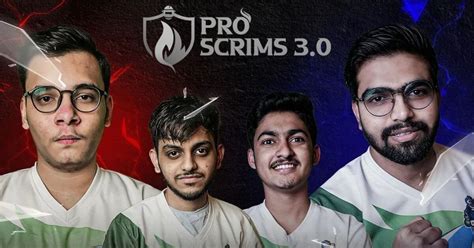
Solo queue struggle? How to find a serious competitive Esports team effectively.

The grind of solo queue can be a lonely and often frustrating journey for aspiring competitive gamers. While individual skill is paramount, true competitive success and growth in Esports often come from the synergy of a dedicated team. If you’re tired of relying on random teammates and ready to elevate your game, finding the right competitive Esports team is your next critical step.

Why a Dedicated Team Matters
Moving from solo queue to a structured team environment offers numerous advantages. You gain consistent teammates who understand your playstyle, allowing for complex strategies and coordinated plays that are impossible with strangers. A team provides a support system for improvement, offering constructive criticism, shared learning, and a stronger foundation for entering tournaments or leagues. It’s about collective growth, shared victories, and a more fulfilling competitive experience.
Step 1: Honest Self-Assessment and Preparation
Before you even begin your search, take an objective look at yourself. What is your primary role in the game? What are your strengths and weaknesses? Be realistic about your skill level and, more importantly, your commitment. Are you willing to dedicate specific hours to practice, VOD reviews, and team meetings? Ensure your in-game mechanics are solid, your game knowledge is deep, and you have a positive, coachable attitude. No team wants a toxic or inconsistent player, no matter their skill.
Step 2: Where to Look – Effective Networking and Communities
The Esports world is vast, but specific channels are more effective for team recruitment. Start by leveraging in-game LFG (Looking For Group) features, but don’t stop there. Discord servers are goldmines for competitive players. Look for official game Discord servers, community-run LFG servers, and even specific Esports organization Discords. Websites like Teamfind, GamerSensei, and various game-specific forums also host recruitment sections. Don’t underestimate local LAN events or small online tournaments as places to meet like-minded players.

Step 3: Showcase Your Talent Effectively
When you approach potential teams, you need to present yourself professionally. This means more than just listing your rank. Create a concise ‘player profile’ that includes:
- Your main role(s) and preferred champions/characters.
- Your competitive experience (previous teams, tournament participation).
- Links to your game profiles (Tracker Network, Op.gg, etc.) with relevant stats.
- Links to VODs (video-on-demand) or highlight reels that showcase your best plays and, importantly, your decision-making and teamwork.
- Your availability and what you’re looking for in a team (e.g., casual competitive, serious amateur, semi-pro).
Make it easy for recruiters to see your value and commitment.

Step 4: The Tryout Process
Most serious teams will require a tryout. This isn’t just about your individual mechanical skill; it’s about how you integrate into their existing dynamic. Pay close attention to communication, shot-calling, and how you react to feedback. Show adaptability and a willingness to learn. Ask insightful questions about the team’s goals, practice schedule, and roles. This is a two-way street – you’re also trying them out to ensure they’re a good fit for you.

Step 5: Building Chemistry and Commitment
Once you’ve joined a team, the real work begins. Invest in building strong team chemistry, both in and out of the game. Effective communication, mutual respect, and shared goals are the bedrock of any successful Esports team. Be punctual for practices, engage in VOD reviews, and always strive to improve together. A serious competitive team demands consistent effort and unwavering commitment from every member.

Persistence and Professionalism
Finding the right team can take time. You might face rejections, or find teams that aren’t the right fit. Don’t get discouraged. Learn from every interaction, refine your approach, and keep improving your game. Maintain a professional attitude throughout your search, as the Esports community can be small, and your reputation matters. With perseverance and the right strategy, you’ll eventually find your competitive home.