Strategies to foster a helpful, toxic-free modding community?
The Vital Role of a Healthy Modding Community
Modding communities are the lifeblood of many games, extending their longevity, enhancing player experiences, and fostering incredible creativity. They represent a vibrant ecosystem where players collaborate, innovate, and share their passions. However, like any online space, modding communities are susceptible to toxicity, negativity, and unhelpful behavior that can stifle creativity and drive away valuable contributors. Building and maintaining a helpful, toxic-free environment isn’t just a nicety; it’s crucial for the long-term health and success of the community itself.
This article explores practical strategies that community managers and developers can employ to cultivate a positive atmosphere, where helpfulness thrives and toxicity is actively managed and minimized.

Setting Clear Expectations and Comprehensive Guidelines
The foundation of any healthy community lies in clear, accessible, and consistently enforced rules. Without a well-defined code of conduct, members may unknowingly cross lines or struggle to understand what constitutes acceptable behavior. These guidelines should go beyond basic prohibitions and actively define what a helpful, respectful interaction looks like.
- Develop a Robust Code of Conduct: Clearly outline expectations regarding respectful communication, constructive feedback, proper attribution for mods, and the consequences for violations. Make it easily discoverable on all community platforms (forums, Discord, wikis).
- Promote Transparency: Explain why certain rules exist. Understanding the rationale behind a policy can foster greater buy-in and reduce resentment when rules are enforced.
- Onboarding for New Members: Integrate rule acknowledgment into the registration process or provide prominent links for newcomers. Consider a quick “welcome” message outlining key expectations.
- Regular Review and Updates: As the community evolves, so too should its guidelines. Regularly review and update the code of conduct, perhaps even soliciting community feedback on potential improvements.
Empowering Positive Contribution and Collaboration
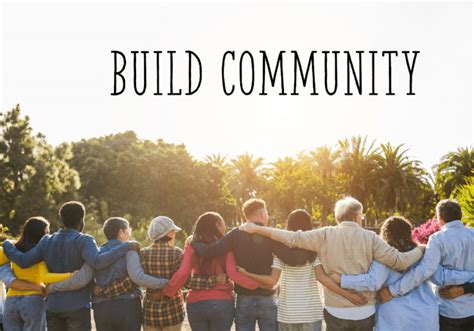
Beyond simply deterring negative behavior, a truly thriving community actively encourages and rewards positive contributions. Fostering a culture of helpfulness means giving members reasons to engage constructively and supporting those who uplift others.
- Recognition Programs: Acknowledge and celebrate helpful members, skilled modders, and active collaborators. This could be through special roles, badges, “Mod of the Month” features, or simply public shout-outs.
- Facilitate Knowledge Sharing: Create dedicated spaces for tutorials, Q&A sessions, and collaborative projects. Encourage experienced modders to mentor newcomers or share their insights.
- Organize Community Events: Hosting modding contests, themed build challenges, or collaborative projects can ignite creativity and foster teamwork, reinforcing positive interactions.
- Amplify Success Stories: Regularly showcase impressive mods, helpful community members, and successful collaborations. This inspires others and highlights the positive aspects of the community.
Proactive and Consistent Moderation
Even with clear rules and positive reinforcement, some level of negative behavior is inevitable. Effective moderation is about more than just banning offenders; it’s about active presence, education, and fair, consistent enforcement that maintains trust and order.
- Active Moderator Presence: Moderators should be visible and engaged, not just reactive. Their presence alone can often de-escalate potential conflicts.
- Fair and Consistent Enforcement: Apply rules impartially to everyone. Inconsistency breeds resentment and erodes trust in the moderation team. Documenting incidents and actions helps ensure consistency.
- De-escalation Techniques: Train moderators to de-escalate heated discussions, redirect off-topic arguments, and resolve minor disputes before they spiral. Private messaging can often be more effective than public admonishment.
- Graduated Penalty System: Implement a system that allows for warnings, temporary suspensions, and only as a last resort, permanent bans. This gives individuals a chance to correct their behavior.
- Efficient Reporting Mechanisms: Provide clear and easy ways for community members to report problematic content or behavior, and ensure reports are acted upon swiftly.
Leveraging Tools and Fostering an Inclusive Environment
Technology can be a powerful ally in community management, and the underlying culture of inclusivity is paramount.
- Utilize Moderation Tools: Implement moderation bots for platforms like Discord to filter spam, detect offensive language, and automate certain administrative tasks, freeing human moderators for more nuanced issues.
- Dedicated Support Channels: Create specific channels or forums for bug reports, technical support, and general questions to prevent these topics from cluttering general discussion areas and causing frustration.
- Promote Inclusivity: Actively ensure that the community is welcoming to people from all backgrounds, skill levels, and identities. Combat discrimination and harassment vigorously. This ensures a broader base of contributors and a richer exchange of ideas.

Conclusion: A Continuous Effort
Fostering a helpful, toxic-free modding community is not a one-time task but an ongoing commitment. It requires a blend of clear rules, active encouragement of positive behavior, consistent and fair moderation, and a willingness to adapt. By prioritizing these strategies, community managers can cultivate a vibrant, supportive ecosystem where creativity flourishes, members feel valued, and the modding experience remains enjoyable for everyone involved. The benefits—increased engagement, innovation, and a stronger bond between players and the game—are well worth the sustained effort.