Strategy to keep gaming guides fresh post-patch/DLC, avoiding outdated info?

The Ever-Evolving Game Landscape
Modern video games, especially live-service titles and those with extensive post-launch support, are constantly evolving. Patches, hotfixes, expansions, and DLC can fundamentally alter mechanics, item stats, quest lines, and strategies. For creators of gaming guides and walkthroughs, this dynamic environment presents a significant challenge: how do you keep your content accurate and valuable, preventing it from becoming a repository of outdated information?
Embracing a Modular Content Strategy
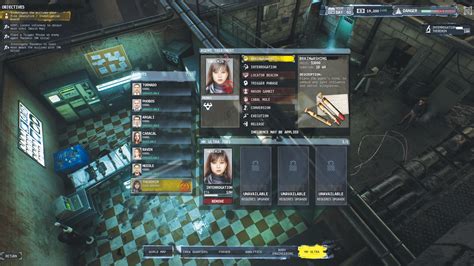
The most effective approach begins with how guides are structured. Instead of monolithic blocks of text, design your guides with modularity in mind. Break down information into distinct, easily isolable sections. For instance, a guide on a specific game class could have separate modules for ‘Base Abilities,’ ‘Talent Builds (Patch X.X),’ ‘Gear Recommendations (Patch Y.Y),’ and ‘Rotation Strategy.’ When a patch hits, only the affected modules need revision, minimizing the workload and risk of introducing new errors.
This approach also makes it easier to track changes. Each module can be timestamped with its last update or the specific game version it pertains to, providing transparency to the reader.
Proactive Patch Monitoring and Version Control
Staying ahead of the curve requires diligent monitoring. Establish a process for tracking official patch notes, developer blogs, and community discussions. Tools like RSS feeds for game news, dedicated Discord channels, or even simple calendar reminders for expected update cycles can be invaluable. Once a patch or DLC is announced, identify the specific areas of your guides likely to be impacted.
Implement a clear version control system within your content management. Label guides explicitly with the game version they cover (e.g., “Destiny 2: Lightfall Guide – Patch 7.3.5”). When a new patch drops, immediately update the version number and highlight sections undergoing revision. Consider a ‘Work in Progress’ tag for sections being actively updated post-patch.

Leveraging Community Feedback and Dedicated Teams
No single guide creator can catch every nuance of a major update instantly. Actively engage with your community. Encourage readers to report outdated information through comments, forums, or dedicated feedback forms. This crowdsourced vigilance can significantly accelerate the identification of necessary revisions.
For larger guide platforms, consider assigning dedicated editors or a ‘patch team’ whose primary role is to monitor game updates and oversee guide revisions. This specialization ensures consistent attention to content freshness and helps distribute the workload.
Visual Cues, Disclaimers, and Archiving
Beyond content updates, visual communication is key. Use disclaimers at the top of guides or specific sections indicating when they were last updated or if they pertain to a specific, potentially outdated, game version. Highlighted boxes, distinct text colors, or “Last Updated: [Date]” timestamps are simple yet effective.
For information that becomes truly obsolete (e.g., removed abilities, defunct quests), don’t just delete it. Consider archiving it with a clear “Deprecated” label or redirecting users to the current, relevant guide. This preserves historical context and prevents broken links, maintaining the overall integrity of your content library.
By integrating these strategies—from modular design and proactive monitoring to community engagement and clear versioning—guide creators can navigate the ever-changing landscape of modern gaming, ensuring their content remains a trusted and invaluable resource for players.