How to improve PC airflow & lower CPU/GPU temps for gaming?
Discover essential strategies to enhance your gaming PC’s airflow, effectively lowering CPU and GPU temperatures for improved performance and longevity.
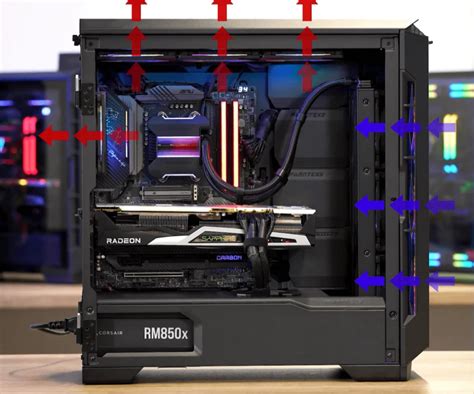
Prevent your gaming PC from overheating and optimize performance by implementing these three essential tips for improving CPU and GPU cooling airflow.
Learn essential strategies and techniques to optimize your gaming PC’s cooling system, preventing thermal throttling and ensuring sustained peak performance during intense gaming sessions.
Discover the most effective strategies to combat high temperatures in your gaming PC, from optimizing case fan configurations and upgrading coolers to essential dust management and smart cable routing.
To combat low FPS and stuttering in games, focus on optimizing key hardware components like the GPU, CPU, and RAM, along with ensuring efficient storage, adequate cooling, and up-to-date drivers for a significantly smoother gaming experience.
This article will guide gamers through optimizing their PC cooling setup to prevent overheating and maintain stable frame rates during intense gaming sessions.
Addressing an overheating gaming PC is crucial for sustained performance; explore common cooling upgrades like CPU coolers, case fans, liquid cooling, and thermal paste to keep your system running optimally.
Ensuring your gaming PC stays cool is paramount for maintaining stable frame rates and extending hardware lifespan, achievable through a combination of efficient air and liquid cooling solutions, optimal case airflow, and proper thermal management.
Learn effective strategies to combat high PC temperatures during gaming, focusing on optimizing internal airflow, upgrading cooling components, and proper maintenance for CPU and GPU.
Addressing PC overheating during long gaming sessions is crucial for performance and longevity, requiring a combination of proper maintenance, airflow optimization, and potentially hardware upgrades like advanced CPU coolers or liquid cooling systems.