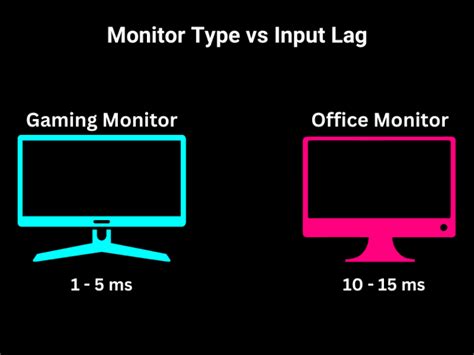
How to reduce monitor input lag for competitive online gaming?
Learn essential hardware and software adjustments to minimize monitor input lag, ensuring a more responsive and competitive online gaming experience.
News, Guides, and Everything Gaming.






Learn essential hardware and software adjustments to minimize monitor input lag, ensuring a more responsive and competitive online gaming experience.

Optimize your monitor’s refresh rate and G-Sync settings to achieve a smoother, tear-free, and highly responsive gaming experience, giving you a competitive edge in fast-paced games.
Choosing between 144Hz and 240Hz for a competitive FPS monitor depends on your budget, PC hardware, and sensitivity to motion fluidity, with both offering significant advantages over standard displays.
Learn how to fine-tune your monitor’s refresh rate and NVIDIA G-Sync settings to achieve peak performance and responsiveness, giving you a crucial edge in competitive gaming.

Deciding between a 144Hz and 240Hz monitor for competitive first-person shooters depends on your budget, GPU power, and competitive aspirations, with diminishing returns beyond 144Hz for many players.
Unlock your full potential in competitive gaming by meticulously optimizing your monitor’s refresh rate, adaptive sync technologies, and HDR settings for maximum performance and visual clarity.

Many factors can prevent a 144Hz gaming monitor from displaying its full potential 144 frames per second in games, ranging from system settings and hardware limitations to in-game configurations.
Unlock your gaming monitor’s full potential by fine-tuning its settings for maximum frame rates and minimal input delay, giving you a competitive edge in any game.
This article delves into the critical monitor settings like refresh rate, response time, and VSync, explaining how each impacts performance and what optimal configurations competitive FPS players should adopt for a decisive edge.

Achieve peak gaming performance by fine-tuning your monitor’s settings for maximum frames per second and minimal input delay, covering refresh rates, response times, and adaptive sync.