
How to keep gaming reviews accurate after major game patches?
Maintaining the relevance and accuracy of game reviews is crucial as major patches can significantly alter a game’s experience, requiring a systematic approach to post-launch evaluation.
News, Guides, and Everything Gaming.






Maintaining the relevance and accuracy of game reviews is crucial as major patches can significantly alter a game’s experience, requiring a systematic approach to post-launch evaluation.

Addressing the challenge of game evolution post-launch, this article explores strategies for critics and platforms to maintain the relevance and accuracy of game reviews through dynamic models and transparent updates.

Maintaining the accuracy of gaming reviews in a landscape of continuous updates and patches is crucial for reviewer credibility and informing consumer purchasing decisions.

Building player trust in gaming reviews requires a robust system where numerical scores are transparently and consistently aligned with the nuanced observations and critiques provided in the detailed text.

Maintaining the accuracy and relevance of video game reviews in the face of frequent patches and substantial DLC requires evolving review methodologies, including living updates, dedicated expansions analysis, and clear version control.

To uphold accuracy and player trust, game reviewers must identify key moments—like major patches or substantial DLC—that warrant a re-evaluation of a game’s initial score or analysis.
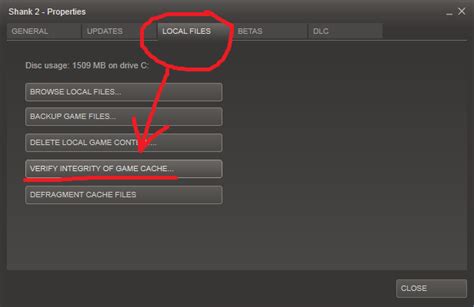
Learn effective strategies for updating game reviews to reflect significant post-launch patches and DLC, ensuring your evaluations remain accurate and valuable to readers.

The debate over whether initial gaming reviews should be revised after significant post-launch patches raises crucial questions about accuracy, fairness, and resource allocation in game journalism.
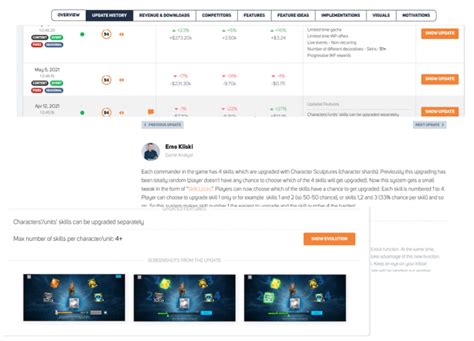
This article explores best practices for updating game reviews to reflect significant post-launch changes like major patches or DLC, ensuring accuracy and preserving reader confidence.