Tips for optimizing gaming PC airflow & fan curves to prevent overheating?

A high-performance gaming PC generates a significant amount of heat, and if not properly managed, this heat can lead to thermal throttling, reduced performance, and even long-term damage to components. Optimizing your PC’s airflow and fine-tuning fan curves are crucial steps to maintain stable temperatures, extend hardware lifespan, and ensure consistent peak performance during demanding gaming sessions.
The Core Principles of Effective Airflow
Effective airflow in a PC case relies on creating a clear path for cool air to enter and hot air to exit. This is often referred to as establishing a positive or negative pressure system, though a balanced approach is generally ideal. Cool air should be drawn in from the front and bottom, pushed across heat-generating components, and then exhausted out the top and rear of the case.

Intake vs. Exhaust Fans
- Intake Fans: Typically located at the front or bottom of the case, these fans pull cooler ambient air into the system.
- Exhaust Fans: Usually positioned at the rear or top, these fans expel hot air out of the case.
Aim for a slightly positive pressure setup (more intake than exhaust) to help prevent dust ingress, as air will be forced out through small gaps rather than drawn in. However, the most critical factor is ensuring an unobstructed path for air movement.
Strategic Fan Placement and Types
Proper fan placement is paramount. Consider the size of your case and the location of your components. Modern cases are designed with airflow in mind, often featuring ample mounting points for fans.
Fan Placement Recommendations:
- Front: 2-3 intake fans (pulling cool air in).
- Bottom: 1-2 intake fans (especially beneficial for GPU cooling if your case allows).
- Rear: 1 exhaust fan (expelling hot air directly from the CPU area).
- Top: 1-3 exhaust fans (as heat rises, these are effective at removing hot air from the entire case, especially if you have an AIO liquid cooler radiator mounted here).
Understanding Fan Types:
- Airflow Fans: Designed to move a large volume of air, ideal for unobstructed areas like case panels.
- Static Pressure Fans: Designed to push air through restrictive environments like radiators or heatsinks.
Using the right fan for the right job can significantly improve cooling efficiency.
Cable Management: An Unsung Hero for Airflow
While often overlooked, good cable management is critical for optimal airflow. A tangled mess of cables can create significant obstructions, blocking air pathways and trapping heat. Utilize the back panel of your case, cable ties, and routing holes to keep cables neat and out of the main airflow path.
Dust Prevention and Regular Maintenance
Dust is a thermal enemy. It accumulates on fan blades, heatsinks, and components, acting as an insulating layer that traps heat. Regularly clean your PC with compressed air, paying close attention to CPU coolers, GPU heatsinks, and case fan blades. Many cases include dust filters on intake vents; ensure these are cleaned regularly to maintain unrestricted airflow.
Understanding and Optimizing Fan Curves
Fan curves define how your fans respond to temperature changes. By default, your motherboard’s BIOS often has a generic fan curve, but customizing it can significantly improve cooling performance and acoustics.

How Fan Curves Work:
A fan curve maps fan speed (RPM or percentage) to component temperature (usually CPU or GPU). As the temperature rises, the fan speed increases to dissipate more heat. The goal is to find a balance between effective cooling and acceptable noise levels.
Optimizing Your Fan Curves:
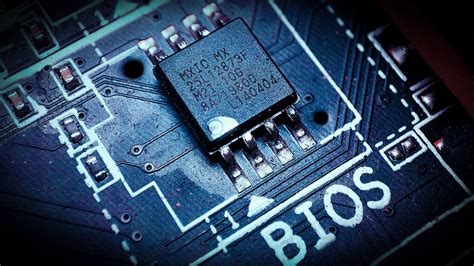
- Access BIOS/UEFI: Most motherboards allow you to adjust fan curves directly in the BIOS. Look for sections like ‘Monitor,’ ‘Fan Control,’ or ‘Q-Fan Control.’
- Software Control: Many motherboard manufacturers provide desktop utilities (e.g., ASUS AI Suite, MSI Dragon Center, Gigabyte SIV) that allow on-the-fly fan curve adjustments within Windows. Third-party tools like Argus Monitor or FanControl offer even more granular control.
- Set Baselines: Start with a quiet baseline at idle temperatures (e.g., 20-30% fan speed at 30-40°C).
- Ramp Up Aggressively: As temperatures rise into gaming territory (e.g., 60-70°C), have the fans ramp up significantly (e.g., 60-80% speed).
- Max Speed for Peak Temps: Ensure fans hit 90-100% speed if temperatures approach critical levels (e.g., 80-90°C), though ideally, you want to avoid hitting these thresholds frequently.
- Test and Refine: Run demanding games or benchmarks and monitor temperatures and fan noise. Adjust the curve incrementally until you find a balance that keeps temperatures low without being excessively loud.
Monitoring Your Temperatures
To effectively optimize airflow and fan curves, you need reliable data. Use monitoring software to track your CPU and GPU temperatures under various loads. Popular tools include HWMonitor, HWiNFO64, and MSI Afterburner (for GPU). Pay attention to core temperatures, especially during peak gaming sessions, to identify any thermal bottlenecks.

Conclusion
Optimizing your gaming PC’s airflow and meticulously tuning its fan curves are fundamental steps towards ensuring a stable, high-performance system. By understanding the principles of air movement, implementing smart fan placement, maintaining cleanliness, and proactively managing fan speeds based on temperature, you can effectively combat overheating, safeguard your hardware, and enjoy a smoother, more reliable gaming experience for years to come.