To boost Indie Spotlight discoverability, what content should devs prioritize?

The Discoverability Conundrum for Indie Developers
In the vast ocean of digital games, getting your indie title noticed by potential players feels like searching for a needle in a haystack. Platforms often feature ‘Indie Spotlight’ sections, designed to highlight innovative and unique projects. However, simply getting listed isn’t enough; developers need to strategically craft content that not only catches the eye but also effectively communicates the game’s unique appeal. The key lies in understanding what content resonates most with players and platform algorithms, guiding them directly to your game.
Prioritizing the right types of content can significantly amplify your game’s visibility and conversion rates within these coveted spotlight features. It’s not just about what you show, but how and when you show it.
Showcase Your Game Visually: Screenshots, Trailers, and GIFs
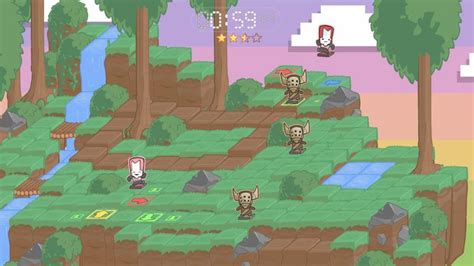
First impressions are almost entirely visual in the gaming world. High-quality screenshots, captivating gameplay trailers, and engaging GIFs are non-negotiable. These are often the first points of contact for a potential player, and they must instantly convey your game’s genre, art style, unique mechanics, and overall mood.
- Screenshots: Prioritize in-game moments that highlight beautiful environments, exciting action, unique character designs, and core gameplay loops. Avoid UI-heavy shots unless demonstrating a specific feature.
- Trailers: A well-edited trailer, typically 60-90 seconds, should start with a hook, clearly show gameplay, hint at the story or challenge, and end with a strong call to action (e.g., ‘Wishlist Now’). Create short teasers and longer feature trailers for different platforms.
- GIFs: Perfect for social media and quick glimpses, GIFs can showcase a single cool mechanic, an impressive visual effect, or a humorous moment. They are easily shareable and highly effective at grabbing attention quickly.

Crafting an Irresistible Store Page: Text and Keywords
While visuals hook them in, your store page’s written content solidifies interest and provides crucial information. This includes your game’s description, feature list, and developer notes. Every word should be carefully chosen to clearly articulate your game’s unique selling propositions (USPs) and resonate with your target audience.
- Description: Start with a strong, concise hook. Elaborate on what makes your game special, focusing on experience rather than just features. Use bullet points for readability.
- Keywords: Research relevant keywords that players might use to search for games like yours. Integrate these naturally into your description and tags to improve search engine optimization (SEO) within the platform.
- Target Audience: Write directly to your ideal player. Are they fans of challenging strategy, cozy farming sims, or fast-paced action? Tailor your language accordingly.
Building Hype and Community: Devlogs and Behind-the-Scenes
Beyond the polished marketing materials, developers should prioritize content that fosters a connection with their audience. Devlogs, behind-the-scenes glimpses, and regular updates build transparency, trust, and excitement for your project. This content doesn’t just inform; it invites players into your development journey.
- Devlogs (Video/Blog): Share your progress, challenges, design decisions, and personal insights. This humanizes your project and creates a loyal following.
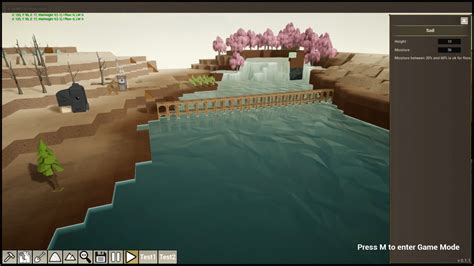
- Behind-the-Scenes: Show concept art, early prototypes, animation processes, or even bloopers. This offers a unique perspective that standard marketing doesn’t.
- Regular Updates: Consistent sharing, even small snippets, keeps your game top-of-mind and signals active development, which is appealing to platforms and players alike.
The Power of Play: Demos and Early Access Opportunities
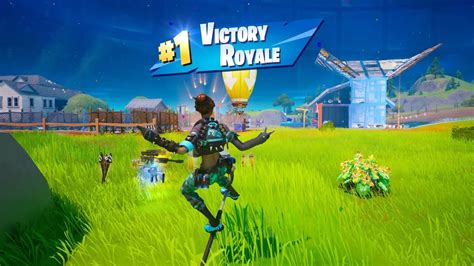
Nothing convinces a player like actually experiencing your game. Providing a well-polished demo, offering alpha or beta access, or participating in a Steam Next Fest can be a game-changer for discoverability and wishlists.
- Playable Demos: A short, polished demo should offer a taste of your core gameplay loop, showcase key mechanics, and leave players wanting more. Ensure it’s bug-free and optimized.
- Alpha/Beta Access: For games with longer development cycles, offering controlled access to early builds can generate valuable feedback, test stability, and create an enthusiastic community of early adopters.
- Influencer Kits: Provide press and content creators with early access builds and relevant assets. Their coverage can significantly boost your game’s profile.
Engage and Interact: Social Media and Community Building
Lastly, an active and engaged presence across social media platforms is crucial. This isn’t just about broadcasting updates; it’s about direct interaction, listening to feedback, and building a community around your game.
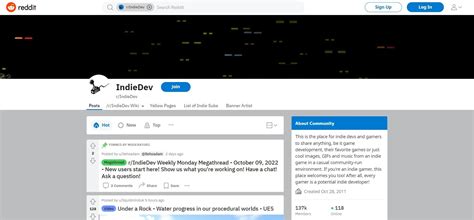
- Consistent Presence: Maintain active profiles on platforms where your target audience congregates (e.g., Twitter, TikTok, Reddit, Discord). Share updates, respond to comments, and participate in discussions.
- Community Management: A dedicated Discord server or forum can become a hub for passionate fans, fostering discussions and user-generated content, which in turn amplifies your game’s reach.
- Leverage Platform Features: Utilize features like livestreams, Q&As, and polls to engage directly with your audience and gather insights.
Conclusion: A Holistic Approach to Indie Spotlight Success
Boosting discoverability for your indie game within a competitive ‘Indie Spotlight’ environment requires a multi-faceted and consistent content strategy. By prioritizing high-quality visuals, compelling written store page content, transparent development updates, playable experiences, and active community engagement, developers can build a robust presence that captures attention and converts interest into wishlists and sales. Remember, every piece of content is an opportunity to tell your game’s story and connect with players eager for their next great adventure.