What actionable advice can indie devs use to get noticed by Indie Spotlight?
Understanding the Indie Spotlight Philosophy
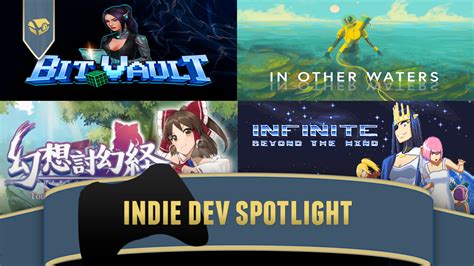
Indie Spotlight seeks out games that resonate with players, push creative boundaries, or demonstrate exceptional polish despite limited resources. Getting noticed isn’t just about having a good game; it’s about presenting your vision effectively and demonstrating its unique appeal. To stand out, developers need to think like curators and anticipate what makes a game spotlight-worthy.
It’s crucial to remember that platforms like Indie Spotlight are inundated with submissions. Your goal is to make their job easier by clearly showcasing why your game deserves attention. This means going beyond just developing a great game and actively engaging in strategic promotion.
Crafting a Standout Game
Before you even think about outreach, ensure your game is truly exceptional. Indie Spotlight often looks for originality, compelling gameplay mechanics, a distinct art style, and a strong narrative or thematic core. Ask yourself: what makes my game different? What unique experience does it offer that players can’t find elsewhere?
Polish is paramount. Even if your game is in early access or a demo state, the build you present should be as bug-free and smooth as possible. A rough or unpolished experience, even if the core idea is brilliant, can quickly turn off potential curators. Focus on excellent sound design, responsive controls, and a coherent user interface.
Mastering Your Pitch and Presentation
Your game’s trailer is often the first and most critical impression. It should be short (under 90 seconds is ideal), captivating, and clearly convey your game’s core gameplay and unique selling points. Use dynamic shots, compelling music, and concise on-screen text to highlight key features.
Beyond the trailer, a professional press kit is essential. This should include high-resolution screenshots, GIFs of gameplay, a brief but engaging synopsis, a fact sheet, and links to your website, social media, and any existing builds or demos. Make it easy for anyone to quickly understand and share information about your game.
Building Community and Buzz
Indie Spotlight is often influenced by public interest and community excitement. Start building a community around your game early in development. Share development updates, concept art, and gameplay snippets on platforms like Twitter, Reddit, YouTube, and Discord. Engage with your audience, listen to feedback, and foster a sense of anticipation.
Participate in online game jams, dev streams, and virtual conventions. The more you put your game out there and connect with other developers and players, the more visibility you’ll gain. Positive community feedback and growing wishlists can be powerful indicators to platforms looking for the next big indie hit.
Strategic Outreach and Follow-Up
Research the specific contact methods preferred by Indie Spotlight or the platform you’re targeting. Many have dedicated submission forms or email addresses for developers. Tailor your pitch to their specific interests, referencing games they’ve previously featured if relevant, and explaining why your game would be a good fit for their audience.
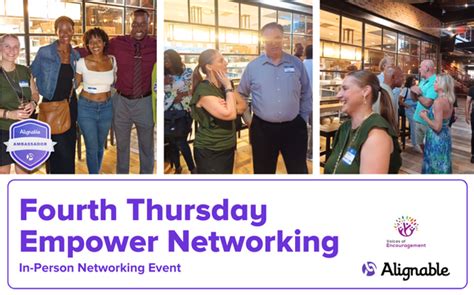
Don’t be afraid to follow up politely after a reasonable amount of time, but avoid being overly persistent. Attend industry events and networking opportunities, both virtual and in-person, as these can provide invaluable direct connections. Personal relationships and referrals can sometimes open doors that cold emails cannot. Ultimately, consistent effort in both development and promotion significantly increases your chances of getting the spotlight your game deserves.