What actionable guide elements boost Indie Spotlight’s player discovery impact?
In the bustling digital marketplace, indie games often struggle to cut through the noise and reach their target audience. An “Indie Spotlight” feature, whether on a major platform, a gaming website, or a content creator’s channel, offers a powerful opportunity for discovery. However, merely being featured isn’t enough; the accompanying guide elements must be meticulously crafted to convert exposure into actual player engagement and wishlists. This article delves into the critical, actionable components that transform a passive spotlight into a potent player discovery engine.
Beyond the Blurb: Crafting Engaging Introductions
An effective Indie Spotlight guide doesn’t just describe a game; it immediately grabs a potential player’s attention and clearly communicates the game’s essence. Start with a compelling hook that articulates the game’s core loop, unique selling proposition, or emotional appeal. Avoid generic descriptions and instead, focus on what makes your game distinct and why someone should care. A strong opening paragraph sets the stage for everything that follows, inviting the reader to dive deeper.
The Power of Direct & Clear Calls-to-Action (CTAs)
One of the most overlooked yet vital elements is the strategic placement and clarity of Calls-to-Action. Players are often ready to take the next step after learning about a compelling game, but if they have to search for how to do so, friction can lead to abandonment. Every guide should feature prominent, easy-to-find CTAs:
- “Wishlist Now on Steam/Nintendo eShop”: Direct links to storefront pages are paramount. Make them visually distinct and clickable.
- “Play the Demo”: If a demo is available, a direct link encouraging players to try before they buy is incredibly effective.
- “Follow on Social Media”: Links to Twitter, Discord, or other community hubs help build a lasting relationship beyond the initial discovery.
- “Buy Now”: For released games, a clear purchase option.
Ensure these CTAs are not just at the end but also strategically placed throughout the guide where reader interest is likely to peak, perhaps after a particularly exciting feature reveal.
Show, Don’t Just Tell: Visual & Gameplay Snippets
In a visual medium like gaming, static text can only go so far. Actionable guides leverage multimedia to convey gameplay, atmosphere, and mechanics quickly and effectively. Integrate:
- High-Quality Screenshots: Showcase diverse aspects of the game – action, puzzles, characters, environments, UI.
- Short, Engaging GIFs/WebMs: These are gold for social media and quick previews, illustrating gameplay loops, combat, or unique interactions without requiring a full video load. They instantly communicate what a paragraph might struggle to describe.
- Embedded Trailer or Gameplay Video: While not always possible within text-based guides, if the platform allows, an embedded video can dramatically increase engagement.
Each visual should be carefully selected to support the narrative of the guide and highlight key features.
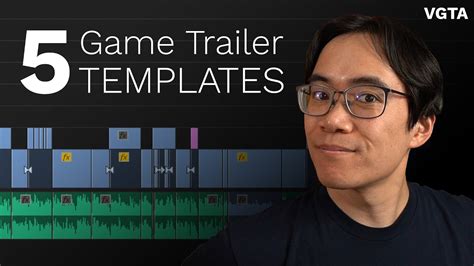
Developer Insights & Personal Touches
Indie games often resonate because of the passion and story behind them. A brief, authentic developer message can forge a connection with potential players. This could include:
- Inspiration Behind the Game: What sparked the idea?
- Development Challenges & Triumphs: A human element that shows dedication.
- Future Vision/Roadmap: What’s next for the game? This builds anticipation and demonstrates long-term commitment.
This personal touch makes the game feel less like a product and more like a creation from real people, fostering a sense of community and loyalty.
Highlighting Unique Selling Propositions (USPs) and Core Mechanics
Every indie game needs a reason for players to choose it over countless others. The guide must clearly articulate the game’s USPs and how they translate into fun, engaging gameplay. Break down complex mechanics into digestible, exciting explanations. Use bullet points or short, punchy paragraphs to highlight:
- Innovative Gameplay Loops: What makes playing your game feel fresh?
- Distinct Art Style or Narrative: How does your game stand out visually or thematically?
- Unique Systems: Crafting, combat, exploration, or social systems that differentiate your title.
Focus on benefits to the player, not just features. For example, instead of “Procedural generation,” say “Endless replayability with new challenges every time.”
Community Engagement & Feedback Loops
A successful game fosters a community. Actionable guides can lay the groundwork for this by encouraging interaction:
- Discord Server Link: A direct invitation to join the community.
- Feedback Request: Especially for games in early access or with demos, actively solicit player feedback. This shows developers value player input and can lead to improved game quality and stronger community ties.
- Social Media Hashtags: Encourage players to share their experiences using specific hashtags.
These elements don’t just drive discovery; they drive retention and advocacy, turning new players into long-term fans.
Conclusion: The Multiplier Effect of Actionable Elements
An Indie Spotlight is more than just visibility; it’s an opportunity to convert attention into action. By consciously integrating clear CTAs, compelling visuals, authentic developer insights, highlighted USPs, and pathways for community engagement, indie developers can dramatically amplify the player discovery impact of any feature. These actionable guide elements don’t just tell players about a game; they invite them into its world, encouraging wishlisting, purchasing, and ultimately, becoming part of its growing community. Mastering these components is crucial for any indie title aiming to thrive in today’s competitive landscape.