What actionable Indie Spotlight selection process maximizes impact for players and indie devs?
The Crucial Role of an Indie Spotlight Program
Indie game spotlights serve as vital conduits, connecting innovative independent developers with eager players in an increasingly crowded market. For players, they offer curated pathways to discover hidden gems and unique experiences. For developers, a spotlight can be a game-changer, providing much-needed visibility, validation, and a significant boost in sales and community engagement. However, the true impact hinges on a well-designed, actionable selection process that is fair, transparent, and ultimately effective for all stakeholders.

Defining Dual Objectives: Maximizing Value for Players and Devs
Before diving into specific criteria, it’s essential to clearly articulate the dual objectives. For players, the process should aim to highlight games that offer exceptional quality, innovation, and engaging experiences, ensuring their trust in the spotlight’s recommendations. For developers, the goal is not just exposure, but also a meaningful increase in their project’s trajectory, whether through sales, wishlists, or community growth. A selection process that fails one side ultimately undermines the other.
Core Selection Criteria: Beyond Just ‘Good’
While subjective ‘goodness’ is important, an effective selection process needs concrete, actionable criteria:
- Innovation & Uniqueness: Does the game bring a fresh mechanic, artistic style, narrative, or genre mashup to the table? Standing out is crucial in a saturated market.
- Technical Polish & Playability: Beyond initial appeal, the game must be stable, performant, and offer a smooth user experience. Bugs, crashes, or unintuitive controls diminish player impact.
- Market Readiness & Fit: Is the game complete enough for promotion? Does it have a clear target audience? Understanding where it fits in the broader gaming landscape is key.
- Developer Vision & Potential: Assessing the developer’s passion, communication, and long-term commitment to their project and community. This can include past work or community engagement.
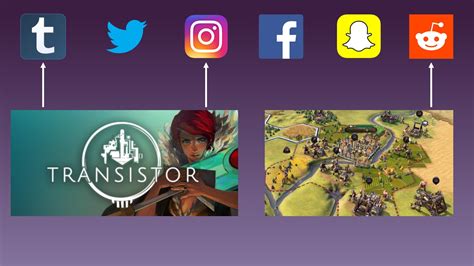
- Community Engagement Potential: Does the game lend itself to streaming, content creation, or foster a strong player community? Social virality amplifies impact.
Establishing a Transparent and Equitable Evaluation Process
The ‘how’ of selection is almost as important as the ‘what’. Transparency builds trust among developers, even those not selected. Equity ensures a diverse range of games get a fair shot.

Process Components:
- Multi-layered Review: Combine automated screening for basic compliance with human curation by diverse experts (e.g., critics, community managers, technical specialists).
- Clear Submission Guidelines: Developers need to know exactly what is required for consideration, including specific demo requirements, press kits, and videos.
- Feedback Loop: While not always feasible for every submission, offering general feedback or reasons for non-selection to a shortlisted group can be invaluable for developers.
- Diversity Mandate: Actively seek to showcase a variety of genres, art styles, team sizes, and developer backgrounds to reflect the richness of the indie scene.
Beyond Selection: Maximizing Post-Spotlight Impact
Selection is just the beginning. The true ‘actionable impact’ comes from how the spotlighted game is then supported and amplified. This is where players feel the most direct benefit of finding a quality game, and developers reap the rewards of the process.

- Dedicated Promotional Slots: Prominent placement on storefronts, newsletters, social media, and dedicated editorial features.
- Marketing & PR Support: Guidance on crafting press releases, media outreach, and leveraging the spotlight for sustained visibility.
- Community Engagement Opportunities: Hosting developer AMAs, live streams, or direct interaction events with players.
- Performance Analytics & Insights: Providing developers with data on how their spotlight performed, enabling them to understand their audience better.
Continuous Improvement: Measuring and Iterating
An impactful process isn’t static. Regular evaluation and iteration are crucial. Gather feedback from both selected developers and players. Track key metrics such as sales bumps, wishlist additions, player engagement, and community sentiment. Use this data to refine criteria, streamline the submission process, and enhance post-selection support. This ensures the Indie Spotlight remains relevant, valuable, and a true catalyst for growth in the independent gaming ecosystem.
By focusing on clear objectives, robust criteria, transparent processes, and sustained support, an Indie Spotlight program can truly maximize its impact, fostering a healthier, more vibrant ecosystem for everyone involved.