What actionable mental health strategies help esports players prevent burnout & improve focus?

The world of esports is a high-octane arena where split-second decisions and sustained performance dictate success. While mechanical skill and game knowledge are paramount, the mental toll on players is often underestimated. Long practice hours, intense competition, public scrutiny, and the constant pressure to perform can lead to burnout, decreased focus, and significant mental health challenges. Addressing these issues proactively is not just about well-being; it’s a critical component of sustained competitive excellence.
The Mental Battlefield: Understanding Esports Pressures
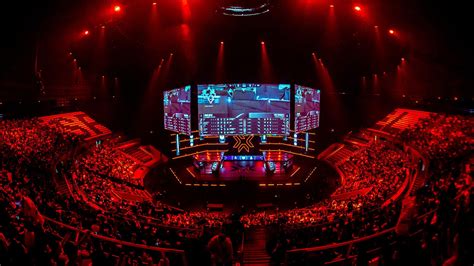
Esports professionals operate in an environment akin to traditional athletes, but with unique stressors. The lines between work and leisure often blur, leading to excessive screen time and social isolation. Performance slumps can trigger anxiety and self-doubt, while constant connectivity can expose players to a barrage of negativity from fans and critics. Recognizing these pressures is the first step toward building resilience.
Proactive Burnout Prevention Strategies
Burnout isn’t a sudden event; it’s a gradual erosion of motivation, energy, and engagement. Preventing it requires deliberate, actionable strategies integrated into a player’s daily routine.
Structured Breaks & Active Recovery
Simply stepping away from the screen isn’t enough. Players need structured breaks that promote actual recovery. This includes short, frequent breaks during practice sessions (e.g., 5-10 minutes every hour), and longer periods away from the game each day. During these breaks, engage in activities that are mentally restorative, such as stretching, walking outdoors, listening to music, or light reading. Completely disconnecting from game-related content for at least a few hours daily is vital.
The Power of Mindfulness & Meditation
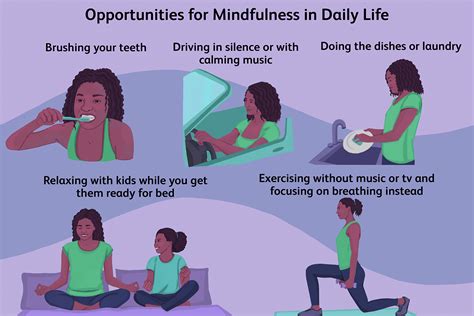
Mindfulness practices, even just 10-15 minutes a day, can significantly enhance focus and emotional regulation. Techniques like guided meditation, deep breathing exercises, and body scans help players stay present, reduce anxiety, and develop a greater awareness of their mental state. This can be particularly useful for managing tilt during intense matches or calming nerves before a big tournament.
Sharpening Focus & Cognitive Performance
Optimal focus is a player’s most valuable asset. Beyond game-specific training, holistic lifestyle choices directly impact cognitive function and the ability to maintain concentration under pressure.
Optimizing Sleep & Nutrition
Quality sleep is non-negotiable for cognitive performance. Aim for 7-9 hours of consistent, restorative sleep. Establish a regular sleep schedule, create a dark and quiet sleep environment, and avoid screens for an hour before bed. Similarly, a balanced diet rich in whole foods, lean proteins, healthy fats, and complex carbohydrates fuels the brain and body. Proper hydration is also crucial, as even mild dehydration can impair cognitive function and reaction time.
Physical Activity & Social Connection
Regular physical exercise, even moderate activity like daily walks, resistance training, or cardio, improves mood, reduces stress, and enhances brain function. It’s also a vital counter to the sedentary nature of esports. Furthermore, maintaining strong social connections outside of the game — with friends, family, or non-gaming hobbies — provides emotional support and a healthy perspective, preventing the feeling of isolation common in competitive environments.
Building Resilience: Long-term Mental Wellness
Sustainable success in esports hinges on building mental resilience, which involves proactive self-care and knowing when to seek external support.
Setting Healthy Boundaries & Goal Management
Establish clear boundaries between gaming and personal life. Learn to say no to excessive demands and protect your recovery time. In terms of performance, shift focus from solely outcome-based goals (e.g., winning a tournament) to process-based goals (e.g., improving specific mechanics, maintaining a positive attitude). This reduces pressure and fosters a growth mindset, making setbacks less detrimental.
Seeking Professional Support
Just as athletes have coaches and physical therapists, esports players can benefit immensely from mental health professionals. Sports psychologists, therapists, or counselors specializing in performance can provide tailored strategies for managing anxiety, improving focus, dealing with team dynamics, and navigating career pressures. There is no shame in seeking help; it’s a sign of strength and commitment to long-term health and performance.
Implementing these actionable mental health strategies requires discipline and consistency, but the rewards are profound. By prioritizing mental well-being alongside skill development, esports players can not only prevent burnout and enhance their focus but also build a more sustainable, enjoyable, and successful career in competitive gaming. It’s about recognizing that the mind is the ultimate controller in any game, and nurturing it is key to unlocking peak performance.