What actionable steps help aspiring players master competitive Esports game sense?

In the high-stakes world of competitive Esports, raw mechanical skill is only one piece of the puzzle. The true differentiator among elite players is often their “game sense”—an intuitive understanding of the game’s flow, the ability to anticipate opponents, and make optimal decisions under pressure. But how do aspiring players develop this seemingly innate ability? It’s not magic; it’s a learnable skill built upon a foundation of actionable strategies and deliberate practice.
Deconstructing Game Sense: Core Components
Game sense isn’t a monolithic skill; rather, it’s an amalgamation of several interconnected competencies. To master it, players must actively work on each component. These include superior map awareness, opponent prediction, effective decision-making, and strategic communication.

Actionable Steps for Cultivating Map Awareness
1. Constant Mini-Map Vigilance
Make a conscious effort to regularly glance at your mini-map. This isn’t just about seeing enemy pings; it’s about processing information regarding ally positions, objective timers, vision control, and potential flank routes. Train your eyes to identify patterns and anomalies quickly.
2. Proactive Information Gathering
Beyond the mini-map, active information gathering involves listening for sound cues (footsteps, ability casts), tracking enemy cooldowns, and understanding typical rotations. Every piece of information, no matter how small, contributes to a clearer picture of the game state.
Predicting Opponent Behavior and Strategies
1. Understand Common Meta Strategies
Study the current meta of your game. What are the common character compositions, item builds, and early-game strategies? Knowing what to expect allows you to anticipate enemy moves before they happen.
2. Learn Player Tendencies
During a match, pay attention to individual opponent behaviors. Does a particular player always push aggressively? Do they favor certain lanes or objective timings? Identifying these tendencies in real-time gives you a significant advantage.
3. Scenario Planning
As you play, constantly ask yourself “What if?” What if the enemy pushes here? What if they contest this objective? Mentally simulate potential scenarios and pre-plan your responses. This builds a mental library of tactical solutions.
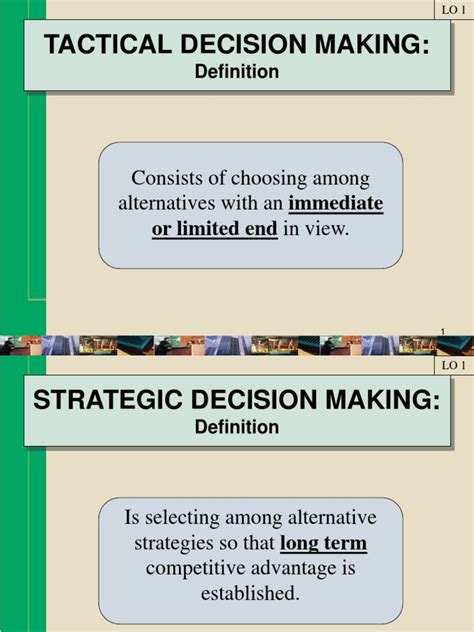
Mastering Decision-Making Under Pressure
1. Prioritize Objectives
In the heat of the moment, it’s easy to get tunnel vision. Consistently evaluate the most valuable objective at any given time—be it securing a kill, defending a point, or retreating to safety. Make decisions that align with the win condition.
2. Risk vs. Reward Assessment
Every action carries risk. Before committing, quickly assess the potential upside versus the downside. Is pushing this advantage worth the risk of dying and giving up an objective? Cultivating this rapid assessment skill is crucial.
Leveraging Communication and Team Synergy
1. Clear and Concise Callouts
Good game sense isn’t just internal; it’s shared. Practice making quick, clear, and concise callouts to your teammates. Inform them of enemy positions, cooldowns, and intentions. This amplifies collective game sense.
2. Active Listening and Adaptability
Equally important is actively listening to your teammates’ calls and adapting your strategy accordingly. A unified team with shared game sense is far more potent than five individual players.
The Indispensable Role of Replay Analysis and Deliberate Practice
1. VOD Review Your Own Gameplay
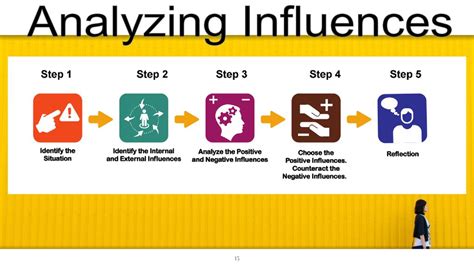
This is arguably the most powerful tool. Watch your replays with a critical eye. Pause the game at key moments and ask: “Why did I do that? What information did I miss? What was the optimal play?” Analyze your decision-making process, not just your mechanical execution.
2. Study Professional Gameplay
Watch professional players and teams. Don’t just admire their skill; actively try to understand why they make certain decisions. Pay attention to their mini-map usage, positioning, and objective prioritization. Mimic their thought processes.
3. Focused Practice Drills
Identify specific areas of weakness in your game sense and design practice drills around them. If your map awareness is poor, focus an entire practice session on mini-map glances and predicting enemy rotations. Deliberate practice, not just grinding, leads to improvement.
Conclusion
Mastering competitive Esports game sense is an ongoing journey that demands dedication, analytical thinking, and a commitment to continuous improvement. By systematically applying these actionable steps—from rigorous map awareness and opponent prediction to strategic decision-making, effective communication, and thorough replay analysis—aspiring players can transform their intuitive understanding into a formidable competitive advantage. Embrace the process, learn from every match, and watch your game sense evolve.