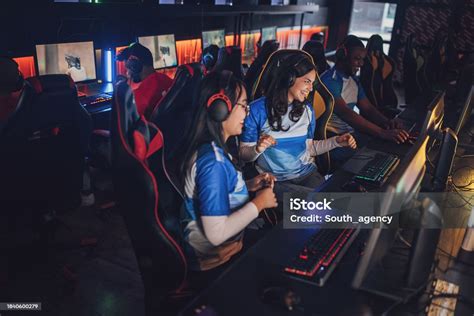
What actionable strategies boost esports team communication & synergy in competitive play?

The Critical Role of Communication and Synergy in Esports
In the high-stakes world of competitive esports, individual skill is only one piece of the puzzle. The true champions are often those who master the art of team play, where seamless communication and unbreakable synergy elevate collective performance far beyond the sum of individual talents. Unlike traditional sports where body language and physical proximity aid communication, esports relies heavily on verbal cues, pings, and an intuitive understanding cultivated through countless hours of play. Developing these elements isn’t accidental; it requires deliberate, actionable strategies.
Establishing Crystal-Clear Communication Protocols
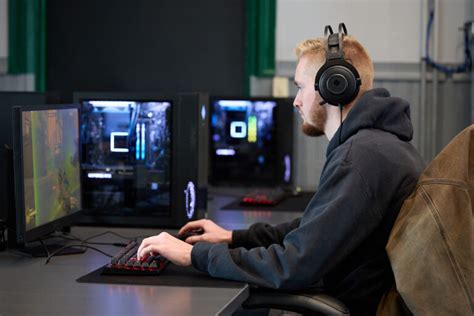
Effective communication starts with structure. Without it, the in-game chaos can quickly devolve into overlapping callouts, missed information, and frustrated teammates.
Concise & Role-Specific Callouts
Teams must define what information is essential and how it should be conveyed. For instance, a support player might focus on enemy cooldowns and ultimate tracking, while a damage dealer calls out targets. Communication should be brief, clear, and actionable: “Enemy Flash Top!” instead of a drawn-out explanation. Over-communicating can be as detrimental as under-communicating, creating noise that obscures vital information.
Active Listening & Confirmation
It’s not enough to just speak; teammates must actively listen and, where appropriate, confirm receipt of critical information. This reduces ambiguity and ensures everyone is on the same page. Establishing a clear shot-caller is also crucial, providing a single, authoritative voice for strategic decisions in critical moments, preventing conflicting commands.
Cultivating Synergy Beyond Verbal Cues
Synergy is the intuitive understanding between teammates that transcends mere words. It’s the ability to predict movements, react cohesively, and operate as a single, unified entity.
Non-Verbal Communication: Pings & Map Awareness
Many esports titles offer robust ping systems. Teams should establish a lexicon for these pings – what does two danger pings on an enemy mean versus one assist ping on an ally? Coupled with vigilant map awareness, players can often “read” the game state and anticipate teammates’ intentions without a single word being spoken. This passive communication is invaluable, especially during intense engagements where verbal channels might be overloaded.
Predictive Play & Anticipation
True synergy comes from understanding your teammates’ playstyles, tendencies, and limitations. Knowing how your jungler typically ganks, or how your support prefers to engage, allows for pre-emptive positioning and coordinated follow-ups. This understanding is built through extensive practice and VOD review, helping players internalize their teammates’ decision-making processes.
The Learning Loop: Review and Refinement
Improvement is an iterative process. Esports teams must dedicate time to critically analyze their performance, especially concerning communication and synergy.
Post-Game Debriefs & VOD Review Sessions
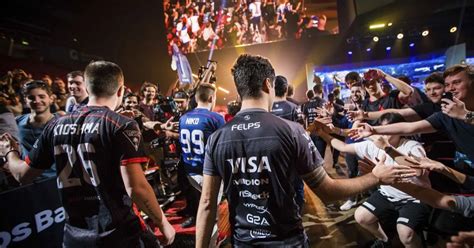
Immediately after games, especially losses, conduct structured debriefs. Focus on what went wrong and, crucially, what went right regarding communication. “Did we miss a callout for that flank?” “Was our engage call clear?” Regular VOD (Video On Demand) review sessions are paramount. By watching replays, teams can objectively identify communication breakdowns, uncoordinated plays, and areas where synergy was lacking or exceptionally strong. This visual feedback is far more impactful than relying solely on memory.
Building Bonds: Off-Game Strategies for On-Game Success
Team cohesion isn’t just about in-game mechanics; it’s deeply rooted in the relationships between players outside the game.
Team Building Activities & Trust
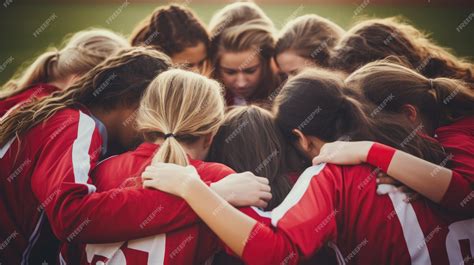
Engaging in non-gaming activities together – from team dinners to escape rooms – can significantly strengthen interpersonal bonds and foster trust. When players trust each other on a personal level, they are more likely to communicate openly, accept constructive criticism, and support each other during high-pressure situations in-game.
Conflict Resolution & Emotional Intelligence
Disagreements are inevitable in any team environment. Establishing healthy conflict resolution mechanisms is vital. Encouraging emotional intelligence allows players to understand and manage their own emotions, as well as empathize with teammates, leading to more productive discussions and a stronger team dynamic overall.

Conclusion: The Continuous Pursuit of Excellence
Boosting esports team communication and synergy is not a one-time fix but an ongoing commitment. It requires consistent practice, critical self-reflection, and a dedication to both individual and collective growth. By implementing clear communication protocols, cultivating intuitive synergy, diligently reviewing performance, and fostering strong off-game bonds, esports teams can unlock their full potential, turning individual prowess into an unstoppable competitive force. The teams that master this delicate balance are the ones destined for victory on the biggest stages.