What actionable tactics boost Indie Spotlight game discovery & drive reader engagement?
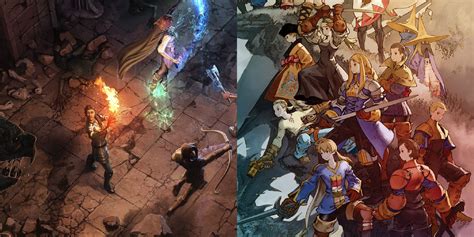
In the vast, ever-expanding galaxy of video games, indie titles often shine brightest with their innovative ideas and passionate craftsmanship. However, cutting through the noise to achieve meaningful discovery is a Herculean task. For platforms featuring “Indie Spotlight” articles, the goal isn’t just to publish content, but to transform it into a powerful beacon that guides players to these hidden gems and fosters a vibrant community around them. This article delves into actionable tactics designed to supercharge game discovery and cultivate deep reader engagement within the “Indie Spotlight” framework.
Crafting the Irresistible Spotlight: Pre-Publication Strategies
Before an “Indie Spotlight” article even goes live, foundational work can significantly impact its reach and effectiveness. The way an indie game is presented and positioned is crucial for initial attraction.
Compelling Headlines and Descriptions
The headline is your first, and often only, chance to grab attention. It should be concise, intriguing, and clearly indicate the unique selling proposition of the game. Think “The Rogue-Lite that Rewrites Your Story Every Playthrough” rather than “New Indie Game Release.” Similarly, the initial description or lede paragraph must immediately draw readers in, hinting at the game’s core appeal, art style, or innovative mechanics without giving everything away.
Utilize powerful keywords that players might search for, ensuring they are naturally integrated. This isn’t just about SEO for the game itself, but for the article that features it. Consider what type of player would be interested and use language that resonates with them, setting appropriate expectations while building excitement.

Igniting Engagement: During Publication Tactics
Once an “Indie Spotlight” article is published, the focus shifts to retaining reader attention and encouraging interaction. This involves more than just relaying facts; it’s about telling a story and inviting participation.
Storytelling Beyond the Gameplay
Players connect with stories. Beyond just describing game mechanics, delve into the developer’s journey, the challenges overcome, the inspirations behind the art style, or the unique narrative design choices. Humanizing the development process creates a deeper, emotional bond with potential players and helps them appreciate the effort poured into the game. Consider an interview format or a “behind-the-scenes” segment within the article.
Integrating Rich Multimedia
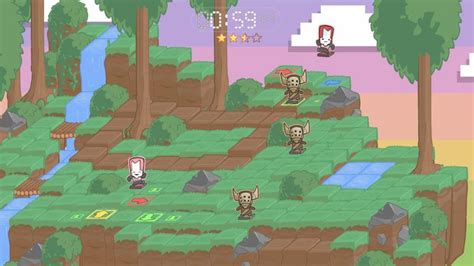
A picture is worth a thousand words, and a well-cut game trailer is worth a million. Incorporate high-quality screenshots that showcase diverse aspects of the game (gameplay, art, UI), animated GIFs for dynamic action sequences, and most importantly, an embedded gameplay trailer. These visual elements break up text, demonstrate the game in action, and give readers a tangible sense of what to expect, often being the deciding factor for a click-through to the store page.
Interactive Elements and Calls to Action
Encourage active participation. Include clear, inviting calls to action (CTAs) that direct readers to the game’s store page (Steam, Epic, console stores), developer’s social media, or even a community forum. Consider simple interactive elements within the article, such as a poll (“Which feature are you most excited about?”), or a question inviting comments. Highlighting demo availability or wishlisting options also provides an immediate, low-barrier entry point for interested players.

Sustaining Momentum: Post-Publication Amplification
An “Indie Spotlight” isn’t a “publish and forget” endeavor. Post-publication strategies are vital for extending its lifespan and maximizing its impact.
Leveraging Social Media and Cross-Promotion
Share the “Indie Spotlight” article across all relevant social media channels – not just the publication’s, but encourage the indie developer themselves to share it extensively. Tag relevant communities, use popular hashtags, and consider running targeted ads for the article to reach a wider, interested audience. Cross-promotion with other indie game publications or influencers can also significantly amplify reach.
Foster a collaborative spirit. If the spotlight features a game that complements another indie title, explore opportunities for joint promotion. A rising tide lifts all boats, and the indie community thrives on mutual support.

Engaging with the Community
The conversation doesn’t end when the article is live. Encourage the featured developer to actively participate in the comments section, answering questions and engaging with readers. This direct interaction builds goodwill, fosters a sense of community, and provides valuable feedback. The publication itself should also monitor comments and respond where appropriate, showing that reader input is valued.
Conclusion
Boosting indie game discovery and driving reader engagement through “Indie Spotlight” features requires a multifaceted, strategic approach. From meticulously crafting pre-publication content to integrating rich multimedia and fostering active post-publication community interaction, every step plays a crucial role. By implementing these actionable tactics, “Indie Spotlight” articles can transcend simple features, becoming powerful launchpads for deserving indie games and invaluable resources for an eager gaming audience.