What actionable tips boost team communication for competitive Esports success?
The Unseen Weapon: Why Communication Reigns Supreme in Esports
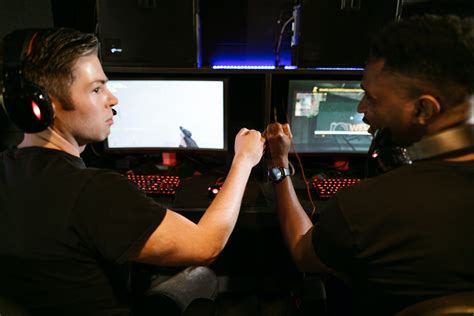
In the high-stakes world of competitive Esports, individual skill can only take a team so far. The true differentiator, the unseen weapon that separates champions from contenders, is impeccable team communication. It’s the circulatory system of a squad, ensuring every player is synchronized, every move is anticipated, and every opportunity is seized. Without clear, concise, and constructive dialogue, even the most talented rosters can crumble under pressure. This article delves into actionable strategies teams can employ to elevate their communication, directly impacting their competitive performance and climb to victory.

Pre-Game & Strategic Alignment: Laying the Foundation
Success isn’t born in the heat of battle; it’s forged in the preparation. Effective communication starts long before the match begins:
- Establish Clear Roles & Responsibilities: Define who is the primary shot-caller, who tracks specific enemy cooldowns, and who provides specific types of information. Ambiguity leads to hesitation and missed opportunities.
- Develop a Shared Lexicon: Create standardized callouts for locations, abilities, and enemy movements. This reduces confusion and speeds up information transfer. For example, agreeing on “deep” for enemy territory pushes or “rotating” for position changes.
- Pre-Match Strategy Discussion: Dedicate time to discuss primary and secondary game plans, including early-game objectives, mid-game rotations, and late-game win conditions. Everyone should be on the same page regarding the overarching strategy.
In-Game Clarity & Conciseness: The Heat of the Moment
During the match, communication becomes a rapid-fire exchange of vital information. Every word counts:
1. Prioritize Information: What Needs to Be Said Now?
Distinguish between critical information (e.g., “Enemy ulted!” “Pushing B!”) and less urgent updates. Avoid comms clutter. If it doesn’t directly impact the immediate next action, save it for a lull or post-round discussion.
2. Be Specific and Factual: No Room for Ambiguity
Instead of “He’s low,” say “Enemy tank one-shot, top lane, behind pillar.” Provide location, status, and any other relevant details. Specificity enables faster, more accurate reactions from teammates.
3. Active Listening & Acknowledgment: The Two-Way Street
It’s not just about speaking; it’s about hearing. Actively listen to your teammates’ callouts and acknowledge receipt (“Copy that,” “Got it”). This confirms the message was received and understood, preventing duplicated calls or missed information.
4. Emotional Regulation: Keep Calm and Carry On
Frustration, anger, or panic can quickly spread through comms and degrade performance. Maintain a calm, composed tone, even when things go wrong. Encourage positive reinforcement and constructive feedback rather than blame.
5. Efficient Shot-Calling: The Commander’s Voice
The designated shot-caller needs to be decisive and clear. Their calls should be directives, not suggestions. “Group mid, push B” is more effective than “Maybe we should go B?” Team confidence in the shot-caller is paramount.
Post-Game Analysis & Feedback: Learning and Evolving
The learning doesn’t stop when the game ends. Debriefing is crucial for continuous improvement:
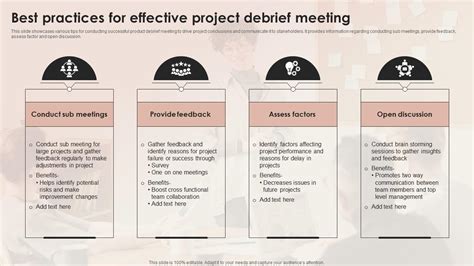
- Constructive Criticism Sessions: Dedicate time after scrims or matches to review communication. What worked well? Where were the breakdowns? Focus on specific instances and solutions, not just general complaints.
- Identify Communication Bottlenecks: Pinpoint recurring issues, such as too much chatter, too little information, or specific players struggling to convey messages clearly.
- Reinforce Positive Communication Habits: Acknowledge and praise instances of excellent communication to encourage their repetition.
Practice & Drills: Building Communication Muscle Memory
Communication, like mechanical skill, can be practiced and improved through dedicated drills:
- No-Visual Drills: Play rounds where players are only allowed to communicate verbally, without looking at their screens for certain periods. This forces reliance on verbal cues.
- Rapid-Fire Information Transfer: Set up scenarios requiring quick, essential information exchange under time pressure.
- Role-Specific Communication Training: Have players practice callouts relevant to their specific roles, ensuring they are concise and impactful for their teammates.
The Synergy of Success
Ultimately, robust team communication is the bedrock of competitive Esports success. It transforms five individual players into a cohesive, intelligent unit capable of adapting on the fly, executing complex strategies, and overcoming adversity. By implementing these actionable tips – from establishing pre-game protocols to refining in-game clarity and engaging in diligent post-game analysis – teams can significantly boost their synergy, reduce errors, and pave their way to championship glory. It’s a continuous process of learning, adapting, and refining, but the rewards are immeasurable.