



What are best community practices for managing mod conflicts & toxicity?
Modding has transformed countless video games, extending their lifespans and enriching player experiences through incredible creativity and innovation. However, this vibrant world isn’t without its challenges. As communities grow, so does the potential for mod conflicts – where different modifications clash, causing technical issues – and, unfortunately, for community toxicity, leading to negative interactions and a hostile environment. Navigating these waters requires proactive strategies and strong community practices.
Establishing Clear Guidelines for Mod Management
One of the most effective ways to prevent mod conflicts is through clear, comprehensive guidelines. A dedicated wiki or forum section detailing installation procedures, load order recommendations, and known incompatibilities can be invaluable. Encouraging mod authors to document their own work thoroughly, including dependencies and potential conflicts, further strengthens this foundation. Community-maintained compatibility patches and unofficial bug fixes also play a crucial role, often emerging from collaborative efforts to solve widespread issues.

Resolving Technical Conflicts Collaboratively
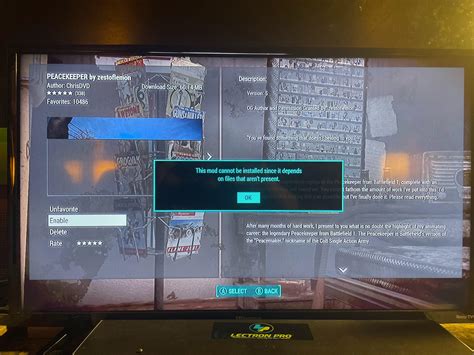
Despite best efforts, mod conflicts will inevitably arise. The key is to have established channels and a supportive culture for resolving them. Designated support threads, Discord channels, or issue trackers allow users to report problems, share logs, and receive assistance. Encouraging users to provide detailed information and step-by-step troubleshooting, rather than just complaints, shifts the focus from blame to solutions. Experienced community members and mod authors often volunteer their time to help, becoming crucial pillars in the conflict resolution process. Creating a “known issues” database can also save countless hours.
Combating Toxicity with a Strong Code of Conduct
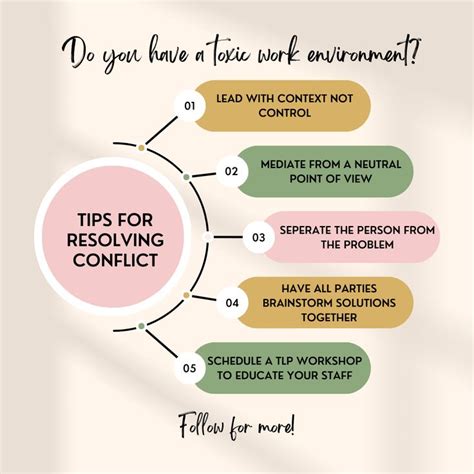
Beyond technical conflicts, the human element of toxicity can be far more damaging to a community. A clearly defined and consistently enforced Code of Conduct is paramount. This document should outline expected behavior, unacceptable actions (e.g., harassment, personal attacks, excessive gatekeeping), and the consequences for violations. It’s not enough to just have rules; active, visible moderation is essential. Moderators should be trained to handle disputes fairly, impartially, and with empathy, acting as peacekeepers and educators rather than just enforcers.
Fostering a Positive and Inclusive Environment
Proactive measures to foster positivity are just as important as reactive ones against toxicity. This includes celebrating mod authors, showcasing creative works, and encouraging constructive feedback. Running community events, modding challenges, or even “mod of the month” features can boost morale and engagement. Promoting an inclusive atmosphere where new modders and players feel welcome to ask questions without fear of ridicule is vital. Mentorship programs, where experienced members guide newcomers, can be incredibly effective in building a supportive culture and reducing instances of gatekeeping.

Empowering Users with Reporting Tools and Education
Give users the tools they need to report problematic behavior easily and discreetly. A transparent reporting system, where users know their concerns are being heard and acted upon, builds trust. Equally important is educating the community on what constitutes respectful communication and the impact of their words. Regular reminders about the Code of Conduct, positive reinforcement for good behavior, and clear explanations for moderation decisions (without revealing personal details) help reinforce community standards. Encouraging private messaging for personal disputes can also prevent public arguments from escalating.
Continuous Improvement and Feedback Loops
Community management is an ongoing process. Regularly solicit feedback from community members on moderation practices, the effectiveness of guidelines, and overall community health. This can be done through surveys, dedicated feedback channels, or town hall meetings. Be willing to adapt rules and strategies based on community input and evolving challenges. A community that feels heard and valued is more likely to self-regulate and actively contribute to a positive environment.

Conclusion
Managing mod conflicts and community toxicity requires a multi-faceted approach, blending clear technical documentation with robust social guidelines. By establishing transparent rules, providing effective support channels, actively moderating, and fostering an inclusive culture, communities can overcome these challenges. The goal is to cultivate an environment where creativity thrives, collaboration is celebrated, and every member feels respected, ensuring the magic of modding continues to enrich the gaming experience for everyone.