What are effective community moderation tactics for toxic mod comments?
Addressing the Unthinkable: When Moderators Go Rogue
Community moderators are the backbone of any healthy online space, entrusted with upholding rules, fostering positive interactions, and ensuring a safe environment for all. However, a uniquely challenging and damaging situation arises when moderators themselves engage in toxic behavior, using their position to make inappropriate comments, belittle users, or abuse their power. This paradox can quickly erode community trust, alienate members, and destabilize the very environment they are meant to protect. Addressing toxic mod comments is not just about enforcing rules; it’s about safeguarding the integrity of the community’s leadership and its foundational values.
Establishing a Strong Foundational Framework
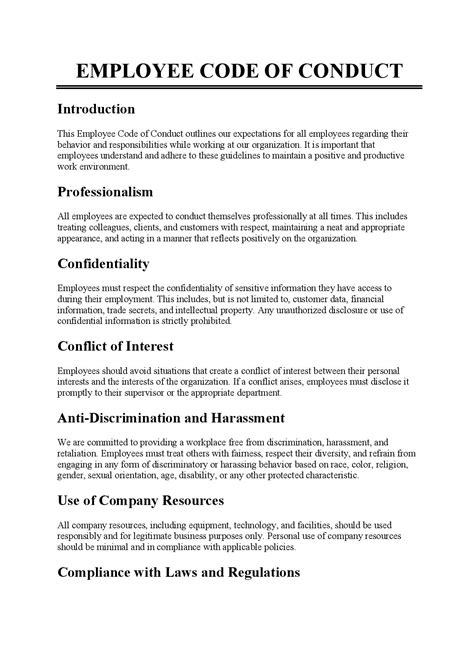
The first line of defense against toxic mod behavior is a robust and explicit code of conduct specifically for moderators. This goes beyond general community guidelines and details the expected professional demeanor, communication standards, and ethical use of moderator tools. It must clearly define what constitutes unacceptable behavior, including specific examples of toxic comments or actions.
Implementing a clear, hierarchical structure with defined roles and responsibilities ensures that there are senior moderators, community managers, or administrators who are explicitly tasked with overseeing moderator conduct. This framework provides the necessary channels for accountability and intervention.
Implementing Internal Reporting and Accountability
An effective system for handling toxic mod comments requires multiple avenues for reporting and investigation. Community members should have a clear, easy-to-access method for reporting moderator misconduct, distinct from general content reporting. This might involve a dedicated email address, a private feedback form, or a direct channel to community administrators who are not part of the regular moderator team.
Equally important is an internal reporting mechanism among moderators themselves. A culture where moderators feel comfortable and safe reporting concerns about their peers, without fear of retaliation, is crucial. Once a report is received, a defined investigative process should be triggered:
- Fact-Finding: Gathering evidence, including screenshots, chat logs, and testimony from witnesses.
- Impartial Review: A senior administrator or a panel (if available) should review the evidence objectively, free from personal bias.
- Private Consultation: The accused moderator should be given an opportunity to respond to the allegations in a private, non-confrontational setting.
Leadership Intervention and Remediation Strategies
Once toxic behavior is confirmed, swift and decisive action is imperative. The approach should be tailored to the severity and frequency of the misconduct, ranging from coaching to permanent removal. Key intervention strategies include:
- Private Coaching and Warnings: For minor infractions or first offenses, a private discussion providing direct feedback, reiterating expectations, and offering guidance on improving communication can be effective. This should be formally documented.
- Mandatory Re-training: If the issue stems from a misunderstanding of policies or appropriate moderation techniques, mandatory re-training sessions focusing on de-escalation, unbiased enforcement, and respectful communication can be beneficial.
- Temporary Suspension or Demotion: For more serious or repeated offenses, a temporary suspension from moderation duties or a demotion to a non-moderator role sends a clear message about the gravity of the behavior and provides a period for reflection.
- Permanent Removal: In cases of egregious abuse of power, persistent toxicity, or behavior that fundamentally undermines community trust, permanent removal from the moderator team is often the only viable option. This decision should be made thoughtfully but firmly to protect the community.

Rebuilding Community Trust and Transparency
Dealing with toxic mod comments often leaves a scar on community trust. Rebuilding this trust requires a delicate balance of transparency and discretion. While specific details of individual disciplinary actions often need to remain private (to protect all parties), the community leadership should acknowledge that concerns were raised, investigated, and addressed.
A general statement affirming the community’s commitment to a safe environment and to holding all members, including moderators, to high standards can be powerful. This reassures users that their voices are heard and that the rules apply to everyone. Engaging in broader discussions about community values and the desired tone can also help reset expectations and reinforce a positive culture.

Proactive Measures and Continuous Improvement
Beyond reactive measures, proactive strategies are essential. Regular performance reviews for moderators, anonymous feedback mechanisms, and ongoing training opportunities can help prevent issues before they escalate. Fostering a supportive peer-to-peer environment among moderators, where they can discuss challenges and best practices, also contributes to a healthier team dynamic.
Community managers should also regularly review their own policies and processes for moderator conduct, adapting them based on feedback and evolving community needs. A flexible and responsive approach ensures that the moderation framework remains effective in maintaining a positive and respectful online space.

Addressing toxic mod comments is a critical, albeit difficult, aspect of community management. By establishing clear guidelines, implementing robust accountability systems, taking decisive leadership action, and communicating carefully with the community, administrators can effectively mitigate the damage, restore trust, and uphold the welcoming environment that online communities strive to be.