What are effective strategies for overcoming tilt in competitive esports?
In the high-stakes world of competitive esports, mental fortitude is as crucial as mechanical skill. “Tilt,” a term borrowed from poker, describes a state of emotional frustration, anger, or despair that leads to suboptimal decision-making and performance. For professional and aspiring esports athletes, mastering the art of tilt prevention and recovery is paramount to consistent success and maintaining a healthy competitive mindset. This article explores effective strategies to overcome tilt, helping players reclaim their focus and perform at their peak even under immense pressure.
Recognizing the Onset of Tilt
The first step to overcoming tilt is recognizing its subtle, and sometimes not-so-subtle, signs. This self-awareness allows players to intervene before it escalates.
Early indicators can include increased heart rate, shallow breathing, aggressive or passive playstyle changes, tunnel vision, or negative internal monologue. Pay attention to physical sensations, emotional shifts, and changes in your typical gameplay patterns. Are you making riskier plays than usual, or conversely, becoming overly cautious and hesitant? Are you blaming teammates or external factors more often? Acknowledging these symptoms is vital for initiating corrective actions.
Immediate In-Game Mitigation Techniques
Once tilt is recognized, immediate actions can prevent a downward spiral. These techniques are designed for quick application during a match.
- Tactical Pauses: If allowed in your game, use a brief pause to step away mentally. Take a few deep breaths, clear your head, and recenter.
- Breathing Exercises: Simple deep breathing can calm the nervous system. Inhale slowly through your nose, hold for a few seconds, and exhale slowly through your mouth.
- Refocusing Mantra: Develop a short phrase (“Reset,” “Focus on next play,” “One step at a time”) to repeat internally when frustration builds.
- Simplified Objectives: When feeling overwhelmed, simplify your immediate goals. Instead of trying to win the whole game, focus on winning the next team fight, securing the next objective, or even just executing your role perfectly for the next minute.
- Positive Self-Talk: Counter negative thoughts with constructive ones. Instead of “I can’t do anything right,” try “What’s the best next move I can make?”
Pre-Game Preparation and Post-Game Review
Effective tilt management extends beyond the match itself, encompassing routines before and after gameplay.
Pre-Game: Establish a consistent routine that helps you get into a focused mindset. This might include warm-up exercises (both physical and in-game), listening to calming music, or reviewing strategy notes. Ensuring you’re well-rested, hydrated, and have eaten properly also plays a significant role in mental resilience. Avoid starting a session already stressed or fatigued.
Post-Game: After a loss, it’s crucial to avoid immediately queuing for another game while emotions are high. Take a break. Later, engage in a structured review of your gameplay. Focus on objective analysis: what went wrong, what went well, and what could be improved? Avoid self-blame and instead concentrate on learning. This converts negative experiences into growth opportunities.
Building Long-Term Mental Resilience
Truly overcoming tilt isn’t just about reactive strategies; it’s about proactively building a stronger mental foundation.
- Mindfulness and Meditation: Regular practice can enhance self-awareness and emotional regulation, making it easier to observe and detach from negative thoughts.
- Physical Health: Consistent exercise, a balanced diet, and sufficient sleep are fundamental to mental well-being and stress management.
- Goal Setting: Set realistic, achievable goals. Focus on process-oriented goals (e.g., “improve my last-hitting by X%”) rather than just outcome-oriented goals (e.g., “win the tournament”).
- Perspective Shift: Understand that losses are part of the learning process. Not every game will be a win, and bad luck or superior opponents are sometimes factors beyond your control. Focus on what you can control: your attitude and effort.
- Learn to Detach: After a particularly frustrating session, completely disconnect from the game. Engage in hobbies, spend time with friends or family, or do something physically active to clear your head.
The Role of Team Communication and Support
For team-based esports, effective communication and mutual support are powerful anti-tilt tools.
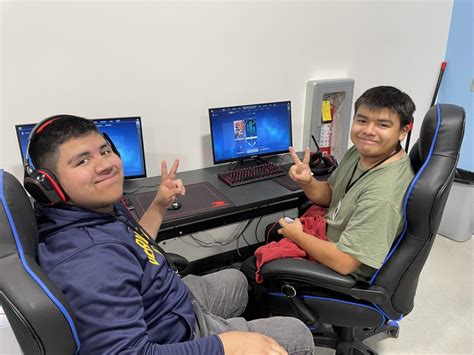
Open and honest communication within a team can diffuse tension. If a teammate is tilting, a supportive comment or a call to reset can be incredibly effective. Likewise, if you feel yourself tilting, communicate it to your team (e.g., “I need to focus on my role for a bit,” or “Let’s reset and focus on the next objective”). A good team understands that mental states fluctuate and supports each other through challenging moments, fostering an environment where mistakes are learning opportunities rather than reasons for blame. Establishing clear roles and expectations also reduces friction and potential for tilt.
Conclusion
Overcoming tilt in competitive esports is an ongoing journey that demands self-awareness, discipline, and a holistic approach. By recognizing the signs, employing immediate in-game strategies, establishing healthy pre and post-game routines, building long-term mental resilience, and leveraging team support, players can significantly reduce the impact of tilt on their performance. The path to consistent peak performance isn’t just about mastering game mechanics; it’s about mastering the mind itself. Embrace these strategies, and transform frustration into a catalyst for growth and sustained success in your esports career.