What are effective strategies to reduce toxicity in modding community discussions?
Understanding the Challenge of Online Toxicity
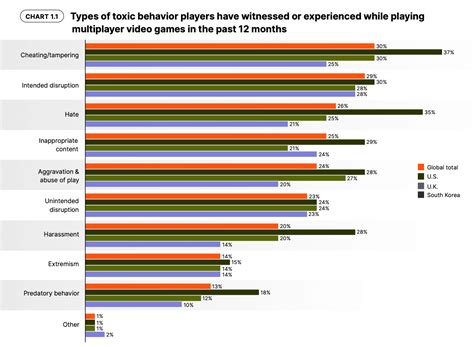
Modding communities are vibrant hubs of creativity, collaboration, and passion, bringing together individuals who enhance and customize their favorite games. However, like many online spaces, these communities can sometimes suffer from toxicity, ranging from personal attacks and aggressive criticism to gatekeeping and unconstructive negativity. This can deter new members, burn out veteran modders and moderators, and ultimately stifle the very innovation these communities aim to cultivate. Addressing this issue is crucial for maintaining a healthy, thriving ecosystem where everyone feels welcome and respected.
Establishing Clear Guidelines and Proactive Moderation
One of the foundational steps in combating toxicity is the establishment and consistent enforcement of a comprehensive Code of Conduct. These guidelines should clearly outline expected behavior, prohibited actions (e.g., personal insults, harassment, discriminatory language), and the consequences for violations. Transparency in these rules helps set expectations for all members.
Beyond simply having rules, active and consistent moderation is paramount. Moderators should be visible, fair, and swift in addressing infractions. This doesn’t mean heavy-handed censorship, but rather ensuring discussions remain constructive and respectful. Regular training for moderators can also equip them with the tools to handle difficult situations effectively, de-escalate conflicts, and act as role models for positive engagement.
Fostering Positive Engagement and Support
Encouraging constructive feedback is vital. Instead of allowing vague or destructive criticism, community leaders can promote a culture where feedback is specific, actionable, and aimed at improvement. This might involve suggesting frameworks for giving feedback, such as highlighting positives before offering areas for improvement.
Recognizing and rewarding positive contributions, whether it’s helpful advice, well-made mods, or acts of kindness, can significantly shift the community’s overall tone. Public shout-outs, ‘member of the month’ programs, or special roles can highlight exemplary behavior. Furthermore, creating dedicated channels for support—technical help, modding advice, or even just general friendly chat—can divert potentially toxic interactions from main discussion threads and provide safe spaces for users to seek assistance without fear of judgment.
Empowering the Community Through Tools and Education
Empowering the community to help manage itself can be highly effective. Implementing robust reporting tools allows users to flag toxic content directly to moderators, effectively extending the moderation team’s reach. Some platforms also utilize peer moderation systems where trusted, long-standing members can assist in reviewing flagged content, subject to moderator oversight.

Educational initiatives can also play a role. This could involve creating resources on effective communication, conflict resolution, or even specific tutorials on how to provide constructive criticism. Helping users understand the impact of their words and actions can lead to more mindful participation. Regular community surveys or feedback sessions can also help gauge the atmosphere and identify emerging issues before they escalate.
Leveraging Platform Features and Technical Solutions
Many discussion platforms offer built-in features that can aid in toxicity reduction. Thread management tools, such as the ability to lock contentious threads, split off-topic discussions, or merge duplicate queries, help maintain order and focus. Implementing a robust search function can also reduce repetitive questions that often lead to user frustration.

Consideration of reputation or karma systems can also be beneficial, allowing positive contributions to be upvoted and negative ones downvoted, potentially leading to a self-balancing mechanism. While these systems require careful implementation to prevent abuse, they can incentivize good behavior and help highlight valuable community members.
Conclusion: Building a Respectful Modding Ecosystem
Reducing toxicity in modding community discussions is an ongoing process that requires vigilance, adaptability, and a commitment from both community leaders and members. By combining clear rules and consistent moderation with proactive strategies for fostering positive engagement, empowering the community, and utilizing available technical tools, modding communities can cultivate spaces that are not only vibrant and innovative but also respectful, welcoming, and truly enjoyable for everyone involved. A healthy community is the backbone of successful modding, ensuring creativity thrives and passion endures.