What are key strategies for mod teams to ensure fair moderation in game communities?
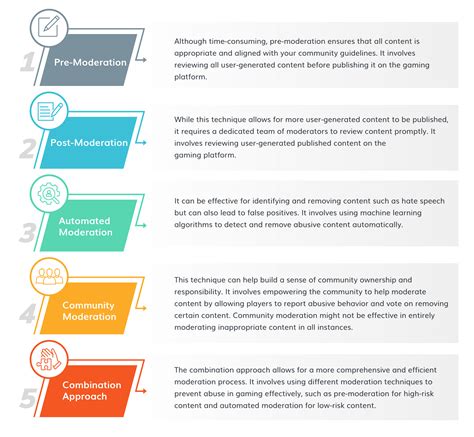
In the vibrant and often passionate world of online gaming, game communities are the lifeblood that keeps players engaged and connected. However, managing these dynamic spaces requires a delicate touch, especially when it comes to moderation. Fair moderation isn’t just about enforcing rules; it’s about building trust, fostering a positive environment, and ensuring that every player feels heard and respected. For mod teams, achieving this balance is paramount to the health and longevity of their community.

Establishing Clear and Accessible Guidelines
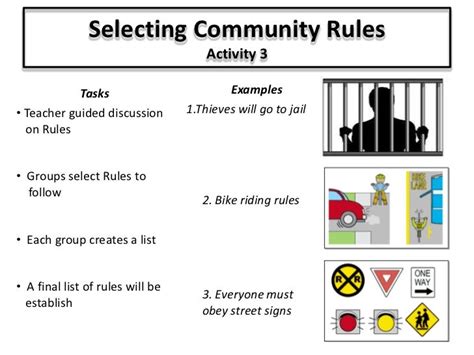
The foundation of fair moderation lies in a well-defined and easily understandable set of rules. Ambiguous guidelines can lead to inconsistent enforcement and user frustration. Mod teams should collaboratively develop a comprehensive code of conduct that clearly outlines acceptable and unacceptable behaviors, providing examples where necessary. This document should be readily accessible to all community members, often pinned in prominent channels or linked directly on the game’s website.
Furthermore, outlining a clear consequence matrix helps manage expectations. Players should understand what actions lead to warnings, temporary suspensions, or permanent bans. This transparency not only helps players understand boundaries but also gives mod teams a consistent framework to refer to when making decisions.
Fostering Transparency and Open Communication
Fairness thrives on transparency. While not every moderation action can be publicly debated, mod teams should strive for an open line of communication with their community. This includes providing clear reasons for major moderation decisions (without exposing personal data) and being open to feedback regarding the moderation process itself. Regular “Mod Q&A” sessions or community updates can help demystify the moderation process and address common concerns.
An appeal process is also a crucial element of transparency. Players who feel they have been unfairly penalized should have a clear, documented path to appeal decisions. This mechanism not only offers a safety net for potential moderator errors but also reinforces the idea that the system is designed to be just.
Ensuring Consistent Application of Rules
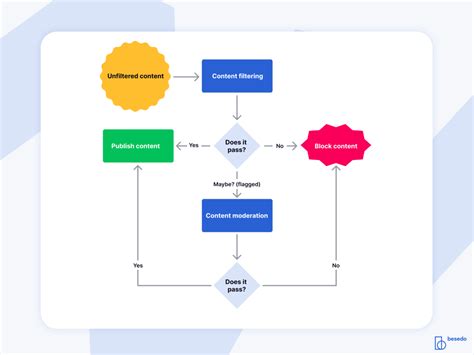
Inconsistency is the enemy of fairness. A rule applied differently to two similar infractions undermines trust and can lead to accusations of favoritism or bias. Mod teams must develop standardized procedures for handling various types of violations. This involves regular internal discussions, case reviews, and calibration sessions to ensure all moderators are interpreting and applying the rules uniformly.
Implementing a logging system for moderation actions also contributes significantly to consistency. This record allows for review, identifies patterns, and helps onboard new moderators by providing a historical context of how specific issues have been handled. It also serves as an accountability measure for the mod team itself.
Training and Empowering Mod Teams
Effective and fair moderation requires a skilled and well-supported mod team. Comprehensive training should cover not only the rules but also de-escalation techniques, cultural sensitivity, recognizing diverse forms of abuse (e.g., harassment, hate speech), and understanding the emotional impact of online interactions. Moderators should also be trained on the tools available to them and best practices for their use.
Empowering moderators also means providing them with the necessary support to handle stressful situations and avoiding burnout. Regular check-ins, mental health resources, and a clear escalation path for complex or high-stakes issues are vital. A healthy and supported mod team is better equipped to make fair and thoughtful decisions.

Conclusion
Fair moderation in game communities is an ongoing journey, not a destination. It demands continuous effort, adaptability, and a deep commitment from mod teams to uphold the values of respect and equity. By establishing clear guidelines, fostering transparency, ensuring consistent rule application, and investing in comprehensive training, mod teams can build and maintain game communities where every player feels safe, valued, and fairly treated. This, in turn, strengthens the community, promotes positive interactions, and enhances the overall gaming experience for everyone.