What are proven strategies to manage problematic user-created mods & community feedback?

Navigating the Dynamic Landscape of User-Generated Content and Community Interaction
User-created modifications (mods) and vibrant community feedback are often the lifeblood of a game’s longevity, fostering creativity, expanding gameplay, and building deep player engagement. However, these powerful forces also present unique challenges. Problematic mods can introduce bugs, exploit vulnerabilities, or even host inappropriate content, while community feedback can quickly turn toxic or overwhelming without proper management. Developing effective strategies is paramount to harnessing the positive potential and mitigating the risks.
Establishing Clear and Comprehensive Guidelines
The foundation of effective mod and community management lies in clear, accessible, and comprehensive guidelines. These should outline acceptable behavior, content standards for mods, and the process for reporting and appealing moderation decisions. A well-defined Code of Conduct for community interaction, alongside specific Terms of Service (ToS) for mod creation and distribution, provides a critical framework for both users and moderators.
- Define Content Standards: Explicitly state what types of content are prohibited (e.g., hate speech, NSFW, copyrighted material, exploits).
- Outline Behavioral Expectations: Set expectations for respectful communication and interaction within community spaces.
- Detail Consequences: Clearly communicate the repercussions for violating guidelines, ranging from warnings to temporary bans or permanent account suspensions.
- Accessibility: Ensure these guidelines are easily found and understood by all users, perhaps translated into multiple languages if applicable.
Implementing Robust Moderation Systems and Tools
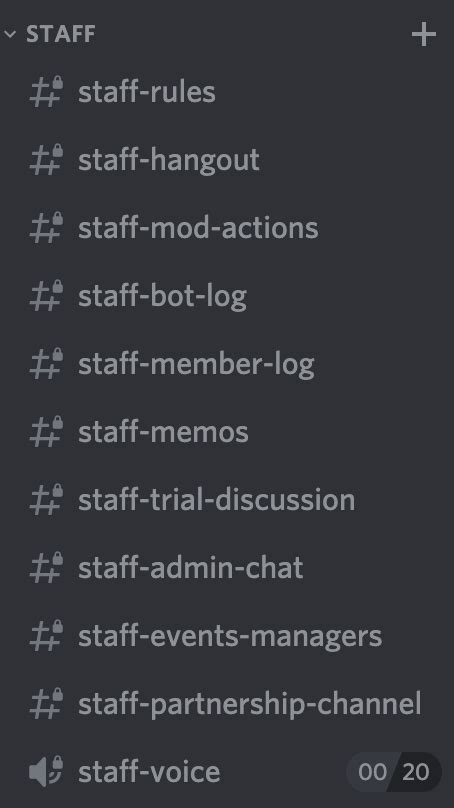
Once guidelines are in place, a robust moderation system is essential for enforcement. This involves a combination of human oversight and technological tools. A dedicated team, whether staff or trained volunteers, can provide nuanced judgment, while automated tools can help identify common violations and streamline the review process.
Key components include:
- Dedicated Moderation Team: Invest in trained moderators who understand the game, its community, and the established guidelines. This team should be equipped to handle reports, review content, and make consistent decisions.
- User Reporting Systems: Provide an easy and intuitive way for users to report problematic mods or community behavior directly within the game or on official platforms. Ensure reports are acted upon promptly.
- Automated Scanning and Filtering: Utilize tools for scanning mod files for known viruses, exploits, or prohibited keywords. Content filters for chat and forum posts can also proactively flag or block inappropriate language.
- Version Control for Mods: For games with integrated mod support, implementing a system that allows for easy rollback of problematic mod versions or disabling them temporarily can mitigate immediate harm.
- Official Curation/Endorsement: Consider a system where “approved” or “curated” mods are highlighted, providing a safer option for users and rewarding high-quality, compliant mod creators.
Fostering Transparent Communication and Feedback Loops
Open and honest communication is crucial for building trust and managing community expectations. Developers should actively engage with their community, listen to feedback, and be transparent about moderation efforts and decisions. This helps prevent misunderstandings, reduces resentment, and ensures the community feels heard.
- Regular Developer Updates: Share updates on moderation actions, policy changes, and community health reports. This demonstrates accountability and proactive management.
- Explain Decisions: When taking action (e.g., banning a player, removing a mod), provide a clear, concise, and non-confrontational explanation, referencing the specific guideline violated.
- Dedicated Feedback Channels: Maintain official forums, Discord channels, or suggestion boxes where users can safely provide feedback, report issues, and discuss concerns.
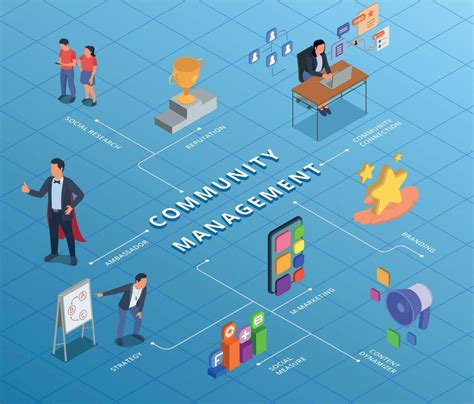
- Community Managers as Liaisons: Empower community managers to be the bridge between the development team and the player base, relaying concerns upwards and communicating official stances downwards.

Empowering the Community for Self-Regulation and Positive Contribution
While developer oversight is essential, empowering the community to participate in maintaining a healthy ecosystem can significantly lighten the moderation load and foster a sense of shared ownership. This can include various forms of self-regulation and positive reinforcement.
- Peer Review and Rating Systems: Allow users to rate, review, and comment on mods, helping others identify quality and problematic content.
- Community Moderation Programs: Recruit and train trusted community members to assist with moderation, particularly in forums and chat, providing them with clear guidelines and support.
- Recognition and Rewards: Acknowledge and reward mod creators who consistently produce high-quality, compliant content, and community members who contribute positively to discussions or assist in moderation. This incentivizes good behavior and content.
- Educational Resources for Modders: Provide documentation, tutorials, and best practices for mod creators to help them develop compliant and high-quality content.
Conclusion
Managing problematic user-created mods and community feedback is an ongoing and evolving process, not a one-time fix. It requires a strategic combination of clearly defined rules, effective enforcement mechanisms, open communication, and community empowerment. By consistently applying these proven strategies, game developers can cultivate a thriving, creative, and respectful environment where user-generated content enhances the game experience and community feedback truly helps shape its future, rather than hindering it.