What are the best practices for managing a thriving game modding community?

The Backbone of Game Longevity: Embracing Modding
Game modding communities are powerful engines that extend a game’s lifespan, foster creativity, and deepen player investment. For many titles, user-generated content isn’t just a bonus; it’s a critical component of their enduring success. However, managing such a dynamic ecosystem is no small feat. It requires a thoughtful blend of strategy, empathy, and technical support to transform a group of enthusiastic players into a thriving, self-sustaining creative hub.
Building and maintaining a healthy modding community involves much more than simply allowing players to tinker with your game. It’s about cultivating an environment where innovation can flourish, where conflicts are managed effectively, and where every participant feels valued. Here are the best practices to guide your efforts in fostering a truly exceptional modding community.

1. Establish Clear Communication & Comprehensive Guidelines
Transparency and clear rules are paramount. From the outset, set expectations regarding what kind of mods are acceptable, what tools are officially supported, and how content should be shared. This includes defining boundaries for mature content, copyrighted material, and exploitative modifications. A well-articulated Code of Conduct helps prevent disputes and guides new modders on their journey.
Regular communication channels are equally vital. Use forums, Discord servers, and developer blogs to share updates, announce changes to APIs, highlight community creations, and gather feedback. An open dialogue builds trust and ensures modders feel heard and respected.
2. Provide Robust Tools and Accessible Documentation
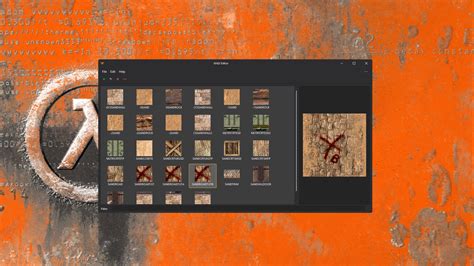
The easier it is for players to create mods, the more likely they are to do so. Invest in user-friendly SDKs (Software Development Kits), modding APIs, and comprehensive documentation. Tutorials, example projects, and troubleshooting guides can significantly lower the barrier to entry, empowering aspiring modders.
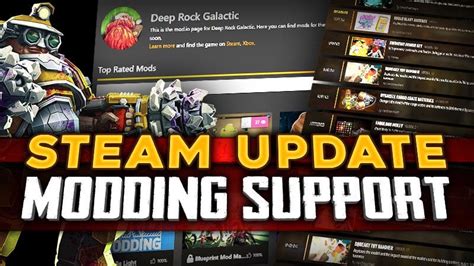
Beyond creation tools, consider platforms for sharing and discovery. A dedicated modding portal or integration with existing platforms (like Steam Workshop or Nexus Mods) simplifies the process for users to find, download, and install mods, driving adoption and engagement.
3. Foster Collaboration and Mutual Support
A strong community thrives on collaboration, not just individual creation. Encourage modders to work together on projects, share knowledge, and offer support to one another. Designate specific areas on forums or Discord channels for collaboration, resource sharing, and technical help. Community-run events like modding jams or challenges can further spark creativity and teamwork.
Developers can also play a role by periodically engaging with modders on technical issues or offering insights into game mechanics that might aid mod development. This direct interaction reinforces the idea that the developers are invested in the community’s success.
4. Implement Active & Fair Moderation
Even the most positive communities can face challenges. Active moderation is crucial for maintaining a healthy and inclusive environment. This means not only enforcing guidelines but also mediating disputes, addressing harassment, and removing problematic content swiftly and fairly. Trained moderators, whether internal or trusted community volunteers, are invaluable assets.
Moderation should be consistent and transparent. Explaining decisions (where appropriate) helps the community understand the rules and fosters a sense of fairness. A well-moderated community ensures that all members feel safe, respected, and encouraged to participate positively.

5. Recognize and Reward Contributions
Acknowledging the hard work and creativity of modders is vital for sustained engagement. Highlight exceptional mods and talented creators through official channels. This could include featuring mods on your game’s store page, in social media posts, or through dedicated community showcases.
Consider implementing a system for community feedback and voting, allowing popular mods to rise to prominence. Some developers even go further by offering small financial incentives, access to beta programs, or exclusive merchandise. Public recognition and tangible rewards reinforce the value of their contributions and inspire others to participate.

6. Future-Proofing and Developer Support
Game updates and patches can often break existing mods, leading to frustration. Where possible, developers should strive to minimize breaking changes or provide advance notice and tools for modders to update their creations. Maintaining backward compatibility for modding interfaces is a significant advantage.
Furthermore, consider how your game’s engine and asset pipeline can be made more mod-friendly during development. Designing with modding in mind from the ground up can drastically simplify community management later on. Dedicated developer liaisons who understand both the game’s code and the modding community’s needs can bridge critical gaps.
Conclusion: A Symbiotic Relationship
Managing a thriving game modding community is an ongoing commitment, not a one-time task. It’s about nurturing a symbiotic relationship where developers provide the foundation and support, and modders, in turn, enrich the game with endless creativity and content. By implementing these best practices, you can transform your game’s modding scene from a mere add-on into an invaluable, dynamic, and essential part of its legacy.