What are the best tips to prevent gaming PC overheating & maintain peak FPS?

The Silent Killer of Gaming Performance: Overheating
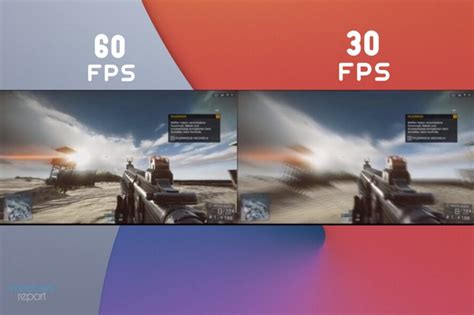
For any serious PC gamer, maintaining peak performance and a smooth, uninterrupted experience is paramount. Yet, an often-overlooked enemy lurks within every high-powered rig: overheating. When your gaming PC’s components — particularly the CPU and GPU — get too hot, they automatically throttle their performance to prevent damage, leading to frustrating frame rate drops, stuttering, and even system crashes. Beyond immediate performance woes, prolonged overheating can significantly shorten the lifespan of your expensive hardware. Understanding how to prevent this thermal throttling isn’t just about preserving FPS; it’s about safeguarding your investment and ensuring countless hours of uncompromised gaming.
Understanding the Causes and Symptoms of Overheating
Overheating doesn’t happen in a vacuum. Several factors contribute to a PC running too hot. Common culprits include inadequate airflow due to poor case design or improper fan configuration, accumulation of dust obstructing heatsinks and fans, dried-out or poorly applied thermal paste between the CPU/GPU and their respective coolers, and simply using insufficient cooling solutions for your hardware’s demands. Recognizing the symptoms is the first step: you might notice your fans spinning excessively loud, significant drops in frame rates during intense gaming sessions, system instability, or even random shutdowns. Monitoring your component temperatures with software like HWMonitor or MSI Afterburner can confirm if heat is indeed the problem.
Essential Tips for Optimal PC Cooling
1. Master Your Airflow and Case Management
The foundation of a cool PC lies in effective airflow. Ensure your case has a good balance of intake and exhaust fans, creating a positive or neutral pressure system to push hot air out and pull cool air in. Front and bottom fans typically serve as intake, while rear and top fans are exhaust. Furthermore, diligent cable management isn’t just for aesthetics; neatly routed cables prevent obstruction of airflow pathways, allowing air to circulate freely. Opting for cases with good ventilation, mesh panels, and ample space for components can make a significant difference.
2. Regular Dusting: Your PC’s Best Friend
Dust is the nemesis of cooling. Over time, it accumulates on fan blades, heatsink fins, and inside power supply units, forming an insulating layer that traps heat and reduces the efficiency of your cooling system. Make it a habit to regularly clean your PC using compressed air. Disconnect power, take your PC outdoors or to a well-ventilated area, and use short bursts of compressed air to dislodge dust from fans, heatsinks, and vents. Hold fan blades gently to prevent them from spinning too fast during cleaning, which can damage bearings.

3. The Thermal Paste Refresh
Thermal paste acts as a bridge, filling microscopic imperfections between the CPU/GPU die and the cooler’s base plate to facilitate efficient heat transfer. Over years, this paste can dry out and lose its effectiveness. If your components are running hotter than they used to, reapplying fresh thermal paste can dramatically improve temperatures. This is a task that requires careful handling but can yield significant results for older systems or those that never had optimal paste application to begin with.
4. Upgrade Your Cooling Solutions
Sometimes, the stock cooler simply isn’t enough, especially for high-performance CPUs or overclocked components. Investing in an aftermarket CPU cooler, whether a robust air cooler or an All-in-One (AIO) liquid cooler, can drastically improve thermal performance. Similarly, ensuring your GPU has adequate cooling – or even upgrading to a custom water-cooling solution if you’re an enthusiast – will help it maintain boost clocks and prevent throttling. Adding more case fans or upgrading existing ones to models with higher static pressure or airflow ratings can also enhance overall system cooling.

5. Optimize Software and Environmental Factors
Your PC’s internal environment isn’t the only thing that matters. The ambient room temperature directly affects how cool your PC can run. Ensure your gaming setup is in a well-ventilated room, away from direct sunlight or heat sources. Software optimizations also play a crucial role. Utilize motherboard BIOS/UEFI settings or dedicated software (like Fan Control) to create custom fan curves that ramp up fan speeds based on temperature thresholds. Consider undervolting your CPU or GPU – reducing voltage while maintaining performance – to lower heat output without sacrificing FPS. Finally, cap your in-game frame rate to your monitor’s refresh rate (or slightly below if experiencing screen tearing) to prevent your GPU from rendering unnecessary frames and generating extra heat.
![Why Your Ceiling Fan Makes Noise & How To Fix It [DIY Guide]](/images/aHR0cHM6Ly90czQubW0uYmluZy5uZXQvdGg/aWQ9T0lQLjFvVXV2UmlsSkxfQU5yYUdxRV9seVFIYURfJnBpZD0xNS4x.webp)
Constant Vigilance: Monitoring Your System
Prevention is key, but ongoing monitoring is equally important. Regularly use monitoring software like HWMonitor, MSI Afterburner, or NZXT CAM to keep an eye on your CPU and GPU temperatures, fan speeds, and clock frequencies. This allows you to catch any creeping temperature rises early and take corrective action before performance is significantly impacted or hardware is damaged. A healthy gaming PC is a well-monitored one.
Conclusion
Preventing your gaming PC from overheating and ensuring it maintains peak FPS is an ongoing commitment, not a one-time fix. By prioritizing proper airflow, regular cleaning, optimal thermal paste, adequate cooling hardware, and smart software and environmental management, you can create a resilient system that delivers consistent performance. A cool PC is a happy PC, and a happy PC means a superior gaming experience, preserving both your enjoyment and your valuable hardware for years to come.