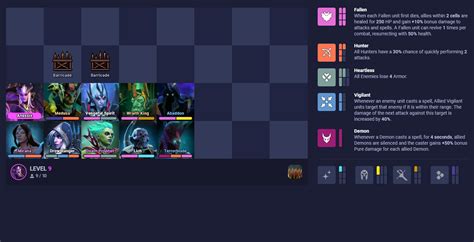
What are the key meta shifts from the latest patch and optimal new builds to adapt?
Game patches are the lifeblood of competitive gaming, constantly injecting new dynamics that ripple through the meta. The latest update is no exception, bringing with it a cascade of changes that demand players re-evaluate their strategies, champion pools, and, most critically, their builds. Understanding these shifts is paramount for staying competitive and climbing the ranks.
Understanding the Core Meta Shifts
This patch has introduced several fundamental changes that alter the game’s core tempo and power distribution. We’ve seen significant adjustments to item efficiencies, with some previously dominant choices receiving nerfs while others have been subtly buffed into prominence. Furthermore, specific class archetypes have either been pushed to the forefront or pulled back from their previous positions of power. For instance, early-game aggression seems to be more heavily rewarded now, emphasizing faster snowballing and objective control over scaling into the late game.

A key shift lies in the interaction between crowd control and burst damage. Previously, one might have dominated, but the patch notes suggest a more balanced interplay, demanding teams adapt to both mitigating CC and executing swift burst windows. This balance influences everything from draft priorities to in-game rotations.
Key Champion/Class Adjustments and Their Implications
Specific heroes and classes have been directly impacted, leading to a shake-up in their viability. Carries who rely on specific attack speed items might find themselves slightly weaker due to adjusted costs or stats, while a rework to a particular tank’s core ability might suddenly make them an unmovable frontline. Similarly, utility supports with strong engage tools could see increased play rates if the meta favors aggressive starts.
- Buffed Archetypes: Certain durable frontline characters or high-mobility skirmishers have received numerical increases, making them incredibly potent in the current climate.
- Nerfed Archetypes: Conversely, some sustained damage dealers or long-range artillery mages might feel less impactful, prompting players to look for alternative damage sources.
- Item Reworks: Crucial items for specific classes have been tweaked, requiring players to re-evaluate their purchasing order and overall build path for maximum efficiency.
Emerging Optimal Builds for Adaptation
To truly adapt, players must embrace new build philosophies. Sticking to old habits will quickly see you outpaced. The new meta champions new synergies and optimized itemization paths that maximize the newly balanced stats and mechanics.
The Resurgent Tank Line: Fortified Frontlines
With an apparent shift towards more impactful teamfights, robust tank lines are making a strong comeback. Optimal builds for these champions now heavily prioritize health regeneration, specific damage reduction items that counter popular damage types, and active abilities that disrupt enemy formations. Focus on items that provide significant health pools coupled with resistances, allowing them to absorb immense pressure and peel for their backline effectively.
Aggressive Skirmisher: Early Game Dominance
High-mobility, high-burst skirmishers have found a new niche. Builds for these champions should emphasize early-game power spikes through cheaper, efficient damage items that allow them to snowball quickly. Focus on items that provide both damage and a dash of utility or survivability, enabling them to dive deep and escape. The goal is to secure early kills and objectives, leveraging their newfound strength before opponents can scale.

Strategic Gameplay Changes and Counter-Play
Beyond individual builds, the overall flow of the game has shifted. Objective control might be more critical in the mid-game, or specific lane matchups now demand different approaches. Understanding these strategic nuances is key to implementing your new builds effectively.
For instance, if the meta favors fast pushes, teams need to adapt by having better wave clear or faster rotation capabilities. If certain champions become dominant, identifying their weaknesses and building items or picking champions that specifically counter them becomes a high priority. Counter-play isn’t just about mirroring the meta; it’s about dissecting its weaknesses.

Adapting Your Playstyle and Practice
Successfully navigating a new patch requires more than just memorizing build orders. It demands a willingness to adapt your playstyle. Experiment with different roles, champions, and item combinations in unranked or practice modes. Watch high-level gameplay and professional matches to see how top players are leveraging the new meta. Communication with your teammates about these shifts is also crucial for coordinated play.
Don’t be afraid to deviate from established norms initially; sometimes the most broken builds are discovered by those willing to think outside the box.

Conclusion
The latest patch has undoubtedly reshaped the competitive landscape, creating both challenges and opportunities. By diligently analyzing the core meta shifts, understanding the impact on key champions, and adopting optimal new builds, players can not only adapt but also thrive. Staying informed, practicing new strategies, and remaining flexible in your approach will be your greatest assets in conquering the evolving meta.