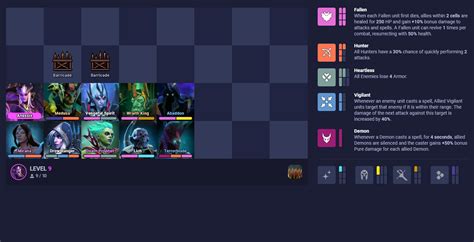
What build components are key to quickly adapting to rapid meta shifts post-patch?

Navigating the Volatile Post-Patch Landscape
The release of a new game patch often heralds a period of significant upheaval in the meta. What was once dominant can become obsolete overnight, and understanding how to quickly pivot your build is crucial for maintaining a competitive edge or simply enjoying the game. Adapting efficiently isn’t just about copying the new top player’s build; it’s about building inherent flexibility into your own strategy.
Core Concepts for Adaptable Builds
At the heart of meta resilience lies a shift from rigid specialization to fluid versatility. A highly specialized build might excel in a very specific meta, but it crumbles when that meta shifts. Adaptable builds, conversely, incorporate elements that remain effective across various scenarios or can be easily swapped out with minimal cost or effort. This means understanding not just what changed in a patch, but why those changes impact the meta. Is a new item now overpowered? Did a specific skill get nerfed into oblivion? Or has an overlooked mechanic finally found its place? Recognizing these underlying shifts informs smarter build adjustments.
Key Build Components for Rapid Adaptation
Several aspects of a build contribute significantly to its ability to adapt quickly to new metas. Focusing on these can save you time and resources post-patch.
Versatile Core Items and Gear
Prioritize items that offer broad utility rather than hyper-specialized effects. A piece of gear that provides a solid mix of offensive and defensive stats, or one with a widely applicable proc, will likely remain valuable even if specific damage types or defensive needs change. Contrast this with an item that’s only good for one specific damage amplification mechanic that might get nerfed. Look for items with flexible stat distributions or those that unlock multiple strategic options.
Scalable Stats and Attributes
Invest in stats that scale well regardless of minor meta adjustments. For instance, percentage-based damage increases or reductions, raw survivability stats (health, resistances), or cooldown reduction often retain their value across different metas. Avoid over-investing in niche attributes that are highly dependent on specific skill interactions or damage types, as these are often targets for balance changes.
Modular Skill Trees and Talents
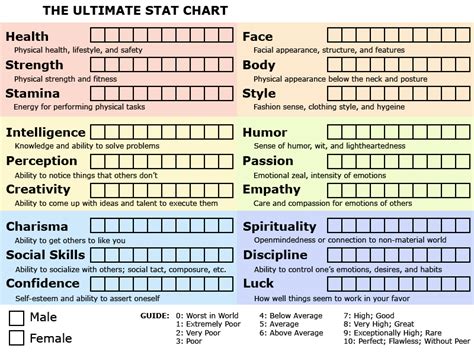
Games with flexible skill trees or talent systems are inherently more adaptable. If your game allows for cheap or free respecs, don’t be afraid to experiment. Even if respecs are costly, identifying talent paths that offer multiple viable options or provide general utility (e.g., crowd control, mobility, utility buffs) allows for quicker pivots without a complete overhaul. The ability to shift a few points and radically alter your playstyle is invaluable.
Strategic Resource Management
Builds that are overly reliant on a single resource regeneration mechanic or a very specific interaction often suffer when that particular aspect is nerfed. Spreading your resource generation across multiple sources or having a robust base regeneration can provide a safety net. This ensures your build doesn’t collapse entirely if one component is weakened.
Defensive Layering
Instead of stacking one type of defense (e.g., pure armor), aim for layered defenses. This might include a mix of health, resistances, damage reduction, and avoidance. If one defensive layer becomes less effective due to a meta shift (e.g., a new damage type becomes prevalent), your other layers can pick up the slack, buying you time to adjust.

Beyond Components: Mindset and Strategy
While build components are crucial, your approach to a new patch is equally important.
Early Patch Observation
Resist the urge to immediately jump to the “new hotness.” Spend some time observing what others are doing, read patch notes thoroughly, and try to understand the developers’ intent. Sometimes, seemingly minor changes have ripple effects across the entire game.
Community Engagement
Engage with the community. Forums, dedicated discords, and content creators often provide invaluable insights and quick assessments of new meta developments. Leverage collective knowledge to accelerate your understanding.
Practice and Experimentation
Don’t be afraid to test things yourself. Theorycrafting is one thing; practical application is another. Run a few games with minor tweaks, observe performance, and refine your build iteratively.

Conclusion: The Agility Advantage
Quickly adapting to rapid meta shifts post-patch boils down to building with foresight and maintaining an agile mindset. By prioritizing versatile core components, scalable stats, modular systems, strategic resource management, and layered defenses, you equip your build with the inherent flexibility needed to weather any storm. Couple this with keen observation and a willingness to experiment, and you’ll not only survive but thrive in the ever-changing landscape of your favorite games.