


What content format best optimizes Indie Spotlight engagement & game wishlists?
Cracking the Engagement Code: Optimizing Indie Game Visibility
For independent game developers, the quest for visibility and a thriving community often feels like navigating a dense fog. In a crowded marketplace, simply having a great game isn’t enough; it’s about how you present it to the world. The right content format can dramatically elevate your ‘Indie Spotlight’ efforts, transforming casual browsers into dedicated fans and, crucially, adding your game to their wishlists. But with so many options, which formats truly deliver the best results?
The Visual Vanguard: Video Content
Video remains king for capturing attention. Its ability to convey gameplay, atmosphere, and narrative in a dynamic, digestible package is unparalleled. However, not all videos are created equal.
- Cinematic Trailers: Short, impactful, and polished, these are your game’s first impression. They should hook viewers within seconds, showcasing your unique selling points and the emotional core of your game. Optimized for shareability, a killer trailer is often the fastest route to a wishlist click.
- Gameplay Showcases/Walkthroughs: Beyond the sizzle, players want substance. Longer-form videos that demonstrate core mechanics, unique features, and the overall player experience build confidence and address potential questions. Authenticity often trumps ultra-polish here.
- Developer Diaries/Behind-the-Scenes: These videos foster a deeper connection by humanizing your project. Sharing your journey, challenges, and design philosophy can resonate deeply with players, building loyalty and encouraging them to invest emotionally in your game’s success.

Engaging Directly: Playable Demos & Live Streams
Sometimes, seeing isn’t enough – players want to experience. Interactive content formats are incredibly powerful for driving wishlists because they allow potential players to directly engage with your game.
Playable Demos: A well-crafted demo is arguably the most potent wishlist driver. It gives players a taste of your game, building excitement and demonstrating value. A positive demo experience significantly increases the likelihood of a wishlist addition, as players want to be notified when the full game is ready. Ensure your demo has a clear call to action to wishlist.
Live Streams: Engaging directly with your audience in real-time through platforms like Twitch or YouTube provides an unparalleled opportunity for interaction. Hosting developer playthroughs, Q&A sessions, or showcasing new features allows for immediate feedback, community building, and a chance to answer specific questions that might be holding players back from wishlisting.

The Power of Prose: Written Content & Storytelling
While visuals dominate, written content offers depth and context that videos sometimes can’t. It’s essential for SEO, detailed explanations, and reaching specific audiences.
- Developer Interviews: Articles featuring interviews with your team can delve into your vision, design choices, and personal stories, adding a rich layer of personality to your game’s narrative. This builds trust and rapport.
- Design Deep-Dives & Lore Articles: For games with complex mechanics or rich universes, written pieces exploring these aspects can satisfy curious players and attract those interested in specific genres or themes. They serve as valuable resources for community discussion.
- Blog Posts & News Updates: Regular, concise blog posts detailing development progress, upcoming features, or event participation keep your community informed and engaged. Each update is a gentle reminder to wishlist if they haven’t already.

Mastering Social & Short-Form Content
In today’s fast-paced digital world, bite-sized content is crucial for initial discovery and ongoing engagement. Platforms like X (Twitter), TikTok, and Instagram thrive on quick, impactful interactions.
- GIFs & Short Video Clips: Showcase a single, exciting mechanic, a stunning visual, or a humorous moment. These are highly shareable and perfect for catching attention in busy feeds.
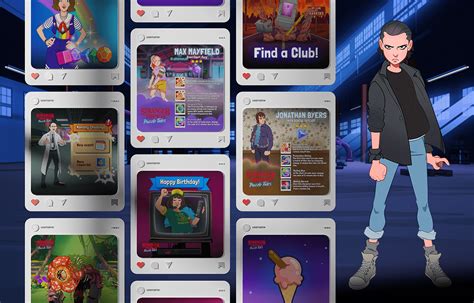
- Infographics & Concept Art: Visually appealing images that convey information quickly (e.g., key features, release roadmap) or showcase your game’s aesthetic can drive significant engagement.
- Community Interaction: Q&A sessions, polls, and responding to comments directly build a loyal following and keep your game top-of-mind. Every interaction is a chance to nudge towards a wishlist.
The Symphony of Formats: A Holistic Strategy
Ultimately, no single content format holds all the answers. The most effective strategy is a synergistic one, where different formats work together to create a comprehensive narrative around your game. Use short-form content to capture initial interest, compelling trailers to make a strong first impression, playable demos to solidify interest, and deep-dive articles or dev logs to foster long-term engagement and trust. Always ensure a clear, prominent call to action – the wishlist button – is easily accessible across all your content and platforms.

Consistency, authenticity, and a willingness to experiment are your greatest assets. Monitor what resonates with your audience, iterate on your approach, and continuously refine your content strategy to maximize both engagement and those all-important wishlists. By understanding the strengths of each format and how they can complement each other, indie developers can transform their ‘Indie Spotlight’ efforts into a powerful engine for success.