What content hooks boost Indie Spotlight reader retention & new game interest?

In the vibrant, often crowded, world of independent game development, securing the spotlight is just the first step. The real challenge lies in keeping that light shining – retaining reader attention on platforms like ‘Indie Spotlight’ and converting that attention into genuine interest for new games. This requires more than just announcing a new title; it demands a strategic approach to content that deeply resonates with an audience constantly seeking the next hidden gem. But what exactly are these content hooks that effectively boost retention and cultivate new game interest?
Understanding the Indie Spotlight Audience
To truly hook your readers, you must first understand them. The Indie Spotlight audience isn’t just looking for games; they’re looking for stories, innovation, passion, and often, a connection to the creators. They appreciate authenticity, creative risks, and the unique perspectives that indie developers bring to the table. They are explorers, eager to unearth titles that mainstream media might overlook, valuing depth and originality over pure graphical fidelity.
This demographic is often tech-savvy, active in online communities, and keen on ‘behind-the-scenes’ insights. They want to feel part of the journey, not just observers. Content that acknowledges this curiosity and provides value beyond a simple press release is key to capturing and holding their attention.
Deep Dives and Development Insights
One of the most powerful hooks is transparency into the development process. Readers love to peer behind the curtain, understanding the craft, the challenges, and the triumphs. Articles that offer a ‘making-of’ perspective, detailing the evolution of a game idea from concept to playable demo, create an investment in the title even before its release.
This can take many forms: developer diaries outlining design philosophies, showcasing early concept art, explaining programming hurdles, or even demonstrating the iterative process of level design. Sharing these intimate details fosters a sense of appreciation for the hard work involved and builds anticipation. It transforms a game from a product into a passion project they can follow.
Interactive and Community-Driven Content
Engagement goes beyond passive reading. Content that invites participation can significantly boost retention. Think about running Q&A sessions with game developers, allowing readers to submit questions. Polls about game features, character designs, or preferred genres can make readers feel like their opinions matter, directly impacting the development narrative.
Showcasing fan art, community challenges, or even conducting small beta tests with dedicated readers can transform an article into a dynamic hub. This interactive content fosters a community around the game and the ‘Indie Spotlight’ platform itself, ensuring readers return not just for information, but for the experience of being part of something larger.
The Power of Visual and Multimedia Hooks
In a visually driven digital age, high-quality multimedia is non-negotiable. Short, captivating gameplay trailers, GIF compilations of unique game mechanics, and developer playthroughs with commentary are excellent hooks. Livestreams where developers play their game and interact with chat in real-time can create an immediate, personal connection.
Visual storytelling through concept art galleries, character design breakdowns, or even environmental art showcases can draw readers in, allowing them to immerse themselves in the game’s aesthetic before they even play it. The goal is to provide a taste of the game’s world and mechanics in an easily digestible, visually appealing format.

Storytelling Beyond the Game Itself
Sometimes, the most compelling hook isn’t just about the game, but about the people behind it. Humanizing the developers through personal anecdotes, stories of their journey into game development, their inspirations, struggles, and triumphs, creates a powerful emotional connection. Readers often root for the underdog, and sharing the genuine human element behind an indie studio can evoke empathy and loyalty.
These narrative pieces transform an anonymous developer into a relatable personality, making readers feel more invested in their success. It’s about building a bond that extends beyond the product, cultivating a loyal following for the creators themselves.
![[200+] Indie Aesthetic Wallpapers | Wallpapers.com](/images/aHR0cHM6Ly90czEubW0uYmluZy5uZXQvdGg/aWQ9T0lQLmpJZ2h0VEs4NnltVHhHQ01NTm5hbWdIYUhhJnBpZD0xNS4x.webp)
Exclusive Previews, Demos, and Beta Access
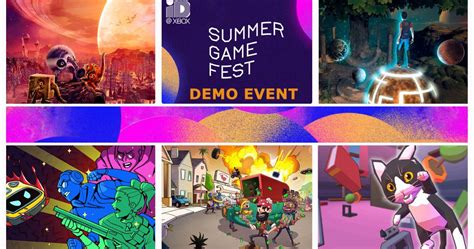
The allure of exclusivity is a powerful motivator. Offering ‘Indie Spotlight’ readers exclusive first looks, early access to game demos, or invites to closed beta tests is an excellent way to reward their loyalty and generate significant buzz. This not only makes readers feel valued but also gives them a tangible reason to keep coming back to the platform.
Announcing such opportunities within an article acts as a direct call to action, encouraging immediate engagement and fostering a sense of urgency and privilege. This type of content transforms casual browsing into an active pursuit of opportunity, directly boosting both retention and interest in the featured game.
Ultimately, boosting reader retention and new game interest on ‘Indie Spotlight’ is about building a comprehensive content strategy that prioritizes authenticity, engagement, and value. By offering deep insights, fostering community interaction, utilizing compelling multimedia, sharing personal stories, and providing exclusive access, developers and platforms can create a magnetic pull that keeps readers returning for more, eager to discover the next great indie adventure.