What content strategies boost player engagement for our Indie Spotlight game features?
The Importance of Engagement for Indie Spotlight Games
For independent games featured in an ‘Indie Spotlight,’ capturing and retaining player attention is paramount. Beyond initial discovery, sustained engagement transforms casual players into dedicated fans and powerful advocates. Effective content strategies don’t just showcase a game; they invite players into its world, foster a sense of community, and deepen their connection to the creators and the experience.
In a crowded market, simply existing isn’t enough. Indie games thrive on passion, unique mechanics, and compelling narratives, all of which can be amplified through strategic content. The goal is to move beyond passive consumption and encourage active participation, ensuring that the spotlight shines not just on the game, but on the evolving relationship between the game and its audience.
Strategy 1: Deep Dives and Developer Insights
One of the most potent ways to engage players with an Indie Spotlight title is to pull back the curtain and reveal the human element behind its creation. Developer deep dives, ‘making of’ series, and personal interviews offer invaluable insights into the game’s design philosophy, challenges faced, and the passion driving its development. This content can range from written blog posts and articles to video documentaries.
Showcasing early concept art, explaining complex mechanics, or even sharing anecdotes from the development process creates a deeper appreciation for the game. Players often feel a stronger connection when they understand the journey and vision of the creators. This humanizes the product and builds trust and loyalty, turning a game into a shared story.
Strategy 2: Interactive Content and Community Challenges
Engagement flourishes when players are given opportunities to actively participate. Hosting community challenges, contests, and user-generated content (UGC) showcases can significantly boost interaction. For example, a screenshot contest, a speed-running challenge, or inviting players to share their favorite game moments can generate a wealth of organic content and discussion.
These activities not only keep the game fresh but also empower players, making them feel like an integral part of the game’s ecosystem. Regular polls about future features, character designs, or lore elements can also provide valuable feedback while making players feel heard and valued. The key is to create low-barrier entry points for participation.
Strategy 3: Livestreams and Q&A Sessions
Real-time interaction offers an immediate and authentic connection. Livestreaming gameplay sessions, featuring developers playing their own game, is a fantastic way to showcase mechanics, reveal hidden details, and answer player questions directly. These sessions can be hosted on platforms like Twitch or YouTube, often leading to lively chat discussions.
Dedicated Q&A sessions, whether live or through collected questions, allow developers to address community concerns, elaborate on game lore, or simply chat with their audience. This direct line of communication builds transparency and strengthens the bond between the studio and its players. It also provides fresh, dynamic content that can be repurposed later.
Strategy 4: Highlighting Player Stories and Achievements
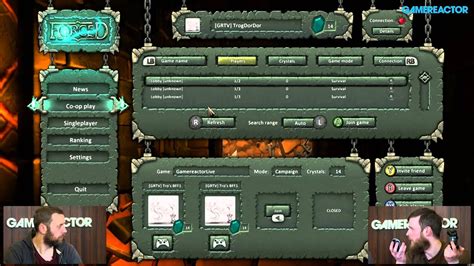
Turning the spotlight onto the players themselves is a powerful engagement strategy. Curating and sharing stories of player achievements, creative solutions, or heartwarming experiences within the game can inspire others and foster a sense of collective identity. This could involve ‘Player of the Week’ spotlights, showcasing fan art, or sharing memorable gameplay clips.
When players see their contributions or experiences celebrated, it validates their time and investment in the game, encouraging continued play and advocacy. This form of social proof also serves as excellent organic marketing, as new players are often drawn in by the enthusiasm and creativity of the existing community.
Strategy 5: Consistent Updates and Teasers
Keeping the game’s future exciting is crucial for long-term engagement. Even after launch, a consistent stream of content, whether it’s minor bug fixes, quality-of-life improvements, or major new features, signals ongoing support and commitment from the developers. Providing roadmaps for future content, even if tentative, helps manage expectations and keeps players anticipating what’s next.
Teasers for upcoming patches, new characters, or expansion packs generate hype and prevent player churn. Short, engaging clips, intriguing lore snippets, or developer diaries discussing future plans can sustain interest long after the initial release. The goal is to create a continuous narrative around the game’s evolution.
Crafting an Engaging Indie Narrative
Ultimately, boosting player engagement for Indie Spotlight game features hinges on authenticity, consistency, and a genuine desire to connect with the audience. By combining deep dives into the game’s creation, interactive community events, direct communication channels, player-centric showcases, and a transparent look at future development, indie studios can build more than just a player base—they can cultivate a thriving community around their unique visions. These strategies ensure that an Indie Spotlight feature isn’t just a moment in time, but the beginning of a lasting relationship with players.