What counters the current dominant PvP meta build & why?

In the ever-evolving landscape of competitive player-versus-player (PvP) environments, a ‘meta’ build often emerges – a combination of abilities, gear, and tactics that consistently outperforms others. While mastering the meta can provide an advantage, true mastery lies in understanding how to counter it. This article delves into the principles of dismantling the dominant PvP meta, explaining not just ‘what’ to use, but ‘why’ it works.
Identifying the Current Meta Juggernaut
Before devising a counter, we must first accurately identify the dominant meta build’s core characteristics. Typically, a dominant meta build excels in one or more areas: high burst damage, overwhelming sustained pressure, superior crowd control (CC), or exceptional survivability. For instance, imagine a meta dominated by a ‘burst assassin’ archetype – a build focused on quickly eliminating high-priority targets through a rapid sequence of high-damage abilities, often coupled with some form of mobility or stealth.
Understanding why this build is dominant is crucial. Is it due to favorable scaling with current game mechanics, a particular synergy between abilities, or perhaps a lower skill floor for high impact? Pinpointing these strengths allows us to identify their inherent weaknesses.
The Principles of Counterplay: Nullification and Exploitation
Countering a dominant meta generally falls into two strategic categories: nullification and exploitation. Nullification involves directly mitigating or negating the meta build’s primary strengths. Exploitation, on the other hand, focuses on targeting the meta build’s inherent weaknesses or resource dependencies.
1. Nullifying Strengths: Direct Counter Builds
If the dominant meta is a high-burst build, the most straightforward counter is often a build focused on high survivability and damage mitigation. This could involve:
- Tanky Frontliners: Builds with significant health, defensive stats, and damage reduction abilities that can absorb the burst and protect squishier teammates. The ‘why’ here is simple: if the burst build cannot secure a kill within its primary damage window, it becomes vulnerable during its cooldowns.
- Sustain/Healing Builds: Characters with strong self-healing or area-of-effect healing can out-sustain burst damage, effectively negating the damage done and turning the tide of attrition.
- Cleanse/Disengage Specialists: If the meta relies heavily on specific crowd control to set up kills, builds with immunity frames, cleanses, or strong disengage tools can deny the setup entirely.
The goal is to survive the initial onslaught, forcing the meta build to over-commit or run out of resources, then capitalize on their vulnerability.
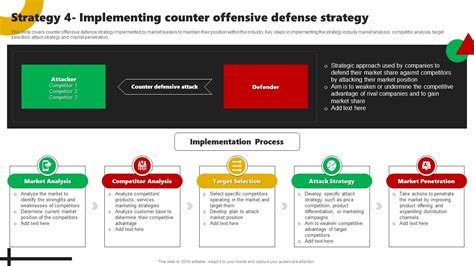
2. Exploiting Weaknesses: Indirect Counter Builds
Every powerful build has a trade-off. Exploiting these weaknesses can be a more nuanced but highly effective strategy. Consider these approaches:
- Anti-Healing/Anti-Shields: If the dominant meta build relies on self-sustain or powerful shields, incorporating abilities or items that reduce healing effectiveness or break shields can dramatically undermine its survivability.
- Mobility/Kiting: If the meta build lacks reliable long-range engagement or is vulnerable to being kited, highly mobile builds can harass and chip away at it from a safe distance, preventing it from ever getting into its optimal range.
- Split-Pushing/Objective Control: Some dominant builds are designed for direct combat and may lack global presence or objective-taking speed. Countering with builds focused on fast objective completion or splitting forces can pressure the map and win conditions outside of direct confrontations.
- Counter-CC: If the meta relies on locking down a single target, a build designed to quickly apply CC to the meta’s primary damage dealer can effectively shut down their output.
Beyond the Build: Strategic Gameplay and Adaptation
While counter-builds are essential, successful counterplay extends to strategic gameplay. Even with the perfect counter-build, poor execution will lead to defeat. Key strategic considerations include:
- Positioning: Always be aware of the meta build’s threat range and optimal engagement patterns. Position yourself to deny their preferred targets or engage on your terms.
- Target Prioritization: Sometimes, the best counter isn’t to directly engage the meta build, but to eliminate its enablers or support first, isolating it.
- Resource Management: Understanding when the meta build has its powerful cooldowns available (and when they are on cooldown) is paramount for choosing your engagement windows.
- Team Composition: In team-based PvP, a diverse team composition with multiple layers of counterplay is often more effective than a single-player counter.

Conclusion: The Ever-Shifting Sands of PvP
The PvP meta is a dynamic entity, constantly shifting as players discover new synergies, developers release patches, and counter-strategies emerge. Successfully countering a dominant build requires a deep understanding of its strengths and weaknesses, coupled with adaptive build choices and intelligent gameplay. By mastering the principles of nullification and exploitation, players can move beyond simply following the meta and instead become architects of its downfall, carving out their own path to victory and fostering a more diverse and engaging competitive environment.