What crucial info should indie devs include when pitching for your Indie Spotlight?
Crafting the Perfect Pitch: Your Gateway to the Spotlight
For independent game developers, getting noticed in a crowded market is an uphill battle. An ‘Indie Spotlight’ feature can be a game-changer, offering invaluable exposure and connecting your creation with a wider audience. But securing that spotlight requires more than just a great game; it demands a compelling, well-structured pitch. So, what exactly should indie devs include to make their game shine?
1. The Irresistible Game Hook: What’s Your Elevator Pitch?
Start with a concise, captivating summary that immediately grabs attention. This is your game’s unique selling proposition – its core concept, genre, and what makes it truly special. Think of it as a compelling headline that makes the reader want to learn more. Is it a narrative-driven psychological thriller? A whimsical co-op puzzler? Be clear, be creative, and be concise.

Beyond the hook, provide a slightly more detailed overview of the game’s premise, setting, and main characters or player role. What’s the overarching goal or conflict? This helps establish the emotional and thematic context of your game, giving the pitch recipient a clearer picture of the world you’ve built.
2. Deep Dive into Gameplay: Show, Don’t Just Tell
While the hook captures interest, the gameplay details solidify it. Explain the core mechanics, how players interact with your game, and what the moment-to-moment experience feels like. Highlight any innovative systems, unique combat, clever puzzle designs, or engaging exploration elements. How does your game stand out from others in its genre?
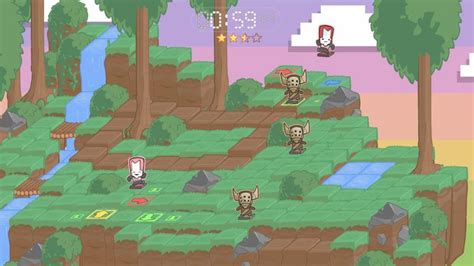
Crucially, describe the player’s journey and emotional arc. Will they feel challenged, relaxed, thrilled, or deeply moved? Provide examples of typical gameplay scenarios and how your mechanics contribute to the overall player experience. Screenshots and a short gameplay video (linked, not embedded directly in the text) are invaluable here.
3. Visual Identity and Artistic Vision: A Feast for the Eyes
A game’s art style is often its first impression. Describe your game’s visual aesthetic, whether it’s pixel art, hand-drawn, realistic, or stylized. Explain the inspiration behind it and how it complements the game’s theme and mood. Is there a specific palette, animation style, or visual motif that defines your game?
Similarly, discuss the sound design and music. How do these elements enhance the atmosphere, gameplay, and emotional impact? Good audio is often overlooked but plays a huge role in immersion. Mention any notable composers or sound designers involved, or the overall philosophy behind your audio choices.
4. The Team Behind the Dream: Your Story Matters
Who are the people bringing this game to life? Share a brief background of your development team. Highlight relevant experience, passion for gaming, and what inspired you to create this particular title. Personal anecdotes or the team’s unique journey can add a powerful human element to your pitch.

Explaining your ‘why’ – why this game, why now – can resonate deeply with those considering your spotlight. It shows dedication and a genuine connection to your project, which are qualities often appreciated by curators looking for authentic indie stories.
5. Development Status and Future Roadmap: Where Are You Now, Where Are You Going?
Be transparent about your game’s current development stage. Is it a prototype, alpha, beta, or nearing release? Provide a realistic timeline for completion or release window. Mention target platforms (PC, console, mobile) and any plans for post-launch content or updates.

If you’ve conducted any playtesting or received early feedback, briefly mention the positive reception or how you’ve iterated based on it. This demonstrates professionalism and a commitment to refining your game.
6. Essential Assets and Call to Action: Make It Easy for Us
Finally, provide all necessary assets and clear calls to action. This includes links to a professional press kit (containing screenshots, logos, fact sheets, trailers, and team bios), your game’s store page (if applicable), social media channels, and your website. If you have a playable demo or early access build, offer easy access or a key.

Make sure all links are active and readily accessible. A well-organized press kit shows professionalism and makes it incredibly easy for the spotlight curator to gather information and create their feature efficiently.
Conclusion: Your Spotlight Awaits
A stellar game is the foundation, but a comprehensive, articulate, and passionate pitch is the bridge to the ‘Indie Spotlight.’ By including these crucial pieces of information, indie developers can not only showcase their game’s potential but also tell their unique story, ultimately increasing their chances of capturing attention and earning the recognition they deserve. Invest time in your pitch – it’s often the first, and most important, impression you’ll make.