What effective communication protocols do top esports teams use for clutch plays?
In the high-stakes world of professional esports, where milliseconds can dictate victory or defeat, communication stands as the bedrock of success. While individual skill is paramount, it is the seamless coordination facilitated by effective communication protocols that truly elevates a team, especially during those make-or-break “clutch” moments.
The Core Pillars of Esports Communication
Top-tier esports teams don’t just talk; they communicate with purpose, precision, and an almost telepathic understanding. Their protocols are built on several fundamental pillars, honed through countless hours of practice and competitive pressure.
Clarity and Conciseness
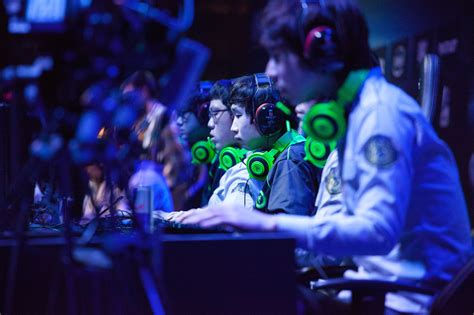
During intense moments, every word counts. Jumbled, vague, or overly verbose calls can lead to misinterpretations and costly delays. Elite teams employ shorthand, specific callout names for map locations, abilities, and items, ensuring that information is delivered succinctly and understood instantly. This minimizes cognitive load, allowing players to focus on their execution.
Prioritizing Information
Not all information is equally important in a clutch situation. Effective protocols dictate what information is critical and needs immediate relay (e.g., “enemy low health,” “ultimate ready,” “flank incoming”) versus what can wait or be omitted. This prioritization prevents information overload and keeps the comms channel clean for crucial calls.
Often, a specific hierarchy for information sharing is established. For instance, the main shot-caller might only want critical enemy positions or cooldowns, while the support player might focus on friendly ability status. This division of labor in communication ensures relevant data reaches the right ears at the right time.
Protocols for Clutch Execution
Clutch plays aren’t always spontaneous; they are often the result of practiced protocols adapting to unforeseen circumstances. Teams have frameworks for common clutch scenarios, which they then modify on the fly.
Structured Shot-Calling
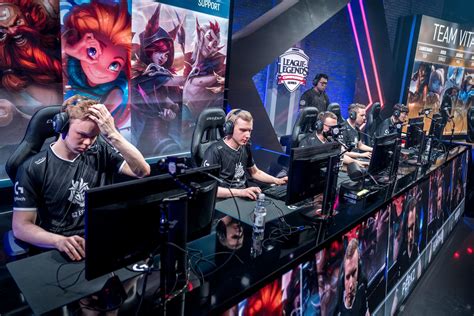
Most successful teams operate with a clear shot-calling structure. While one primary shot-caller typically dictates macro-level strategy, secondary shot-callers (often in specific roles like IGL, support, or jungler) provide micro-level calls pertinent to their area of expertise. During a clutch play, this structure often converges, with the primary shot-caller making the final, decisive call based on aggregated information.
The shot-caller’s role extends beyond merely barking orders; it involves active listening, synthesizing information from teammates, and making rapid, high-pressure decisions that the entire team trusts and follows without hesitation. This trust is built over hundreds of hours of practice and shared competitive experiences.
Adaptive Communication and “If-Then” Scenarios
No plan survives first contact. Clutch plays often demand real-time adaptation. Top teams develop “if-then” communication protocols. For example, “If we get this pick, then push objective X; if not, fall back to Y.” This pre-framing of potential outcomes allows for faster, more coherent decision-making when the unexpected happens, turning potential chaos into controlled aggression.

Emotional Regulation and Composure
Under immense pressure, it’s easy for comms to devolve into panicked shouts. Elite teams emphasize emotional regulation within their communication protocols. Players are trained to maintain a calm, clear tone, even when moments are dire. A designated “hype man” or a calm, steady voice can help bring the team back to equilibrium, preventing tilt and ensuring clear thinking.
Beyond Voice: Non-Verbal Cues and Technology
While voice communication is primary, other elements contribute to the communication ecosystem. Pings, in-game markers, and even specific movement patterns can convey vital information without a single word. Top teams master these non-verbal cues as an extension of their verbal protocols, adding another layer of clarity and speed.

The Role of Practice and Debriefing
Communication protocols aren’t static; they evolve. Top teams dedicate significant time to practicing their comms, simulating clutch scenarios, and refining their callouts. Post-game debriefs are crucial, where communication breakdowns are analyzed, and successful strategies are reinforced. This iterative process ensures that protocols remain sharp and effective.
Video review sessions are often utilized to dissect communication during critical moments, identifying areas where clarity could be improved, information was missed, or emotional responses hindered decision-making. This rigorous self-assessment is key to continuous improvement.

Conclusion
Effective communication protocols are the invisible backbone of every championship-winning esports team. They transform individual talent into cohesive power, allowing players to navigate the chaos of high-stakes competition with synchronized precision. From crisp callouts and structured shot-calling to emotional regulation and continuous refinement, these sophisticated systems are what truly enable top teams to consistently deliver those unforgettable, game-winning clutch plays.