What effective solo queue strategies consistently help players climb competitive ranks?

Navigating the Solo Queue Labyrinth
For many competitive gamers, solo queue is a double-edged sword. It offers the thrill of individual performance and the potential for a meteoric rise, yet often comes with the frustration of inconsistent teammates and perceived unfairness. Climbing competitive ranks consistently, however, is less about luck and more about applying proven strategies that empower individual play within a team-based environment.
Mastering Your Chosen Role and Champion Pool
One of the most critical solo queue strategies is to deeply understand and master a limited pool of champions or heroes in your primary role. Instead of trying to play every character, focus on 2-4 picks that you know inside out. This allows you to perform consistently regardless of team composition or counter-picks. Understanding your chosen characters’ strengths, weaknesses, power spikes, and common matchups frees up mental bandwidth to focus on the broader game.
- Deep Knowledge: Know item builds, ability timings, and optimal engages.
- Versatility within Limits: Choose champions that can adapt to different team needs (e.g., engage, disengage, burst, sustained damage).
- Consistency: Reduce variables by sticking to what you know best.
Effective Communication and Positive Mindset
While often difficult in solo queue, effective communication can be a game-changer. This doesn’t necessarily mean constant voice chat; intelligent use of pings for objectives, enemy whereabouts, and incoming threats is crucial. Equally important is maintaining a positive and non-toxic attitude. Even when teammates make mistakes, constructive pings or a simple “we got this” can prevent tilting and keep the team focused. Toxicity only serves to diminish morale and performance across the board.

Superior Game Sense and Macro Play
Individual mechanical skill will only get you so far. To consistently climb, you must develop superior game sense and macro-level understanding. This includes map awareness, understanding objective timers (e.g., dragons, barons, towers), wave management, and rotation patterns. Always ask yourself: “What’s the next best move for the team?” Prioritizing objectives over individual kills, understanding when to push or defend, and knowing when to group or split-push are hallmarks of high-ranking solo queue players.

Developing Mental Fortitude and Resilience
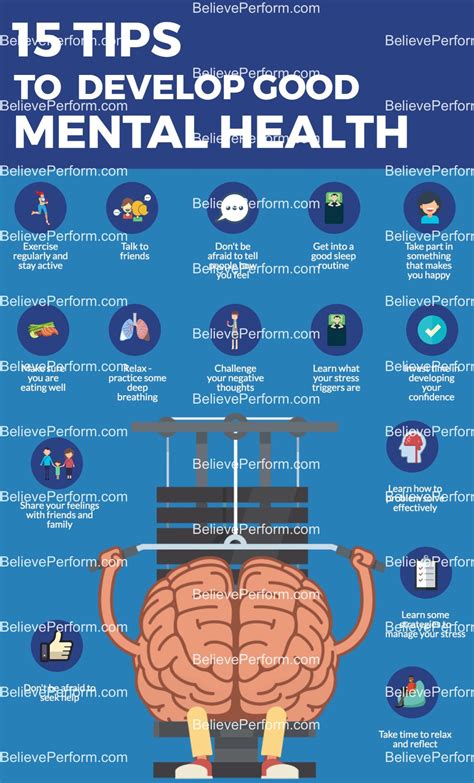
Solo queue is as much a mental game as it is a skill game. Dealing with losses, bad teammates, and moments of tilt is inevitable. Developing mental fortitude means learning to recognize when you’re tilting and taking a break, not letting previous games affect your current performance, and focusing on your own play rather than external factors. Every game is a fresh start, and maintaining a calm, focused approach will lead to more consistent results over time.
Post-Game Analysis and Continuous Improvement
The learning doesn’t stop when the game ends. Taking a few moments to review your performance, especially after a loss, can provide invaluable insights. Did you make a bad rotation? Miss a crucial ability? Overextend? Many games offer replay systems that allow for detailed analysis. Identifying your own recurring mistakes and actively working to correct them is the fastest path to improvement and consistent rank climbing.
By focusing on these core strategies—mastering your role, communicating effectively, developing strong game sense, maintaining mental resilience, and committing to continuous self-improvement—solo queue players can transform their competitive journey from a frustrating grind into a rewarding climb towards higher ranks.