What effective strategies improve team synergy & communication in competitive Esports?

The Crucial Role of Synergy and Communication in Esports
In the high-stakes world of competitive Esports, individual skill alone is rarely enough to secure victory. The most dominant teams are those that operate as a cohesive unit, where every player understands their role, anticipates their teammates’ moves, and communicates with precision. Team synergy and communication are not accidental; they are meticulously cultivated through deliberate strategies and consistent effort. Mastering these aspects can transform a group of talented individuals into an unstoppable force.
Establishing Robust Communication Protocols
Effective communication is the bedrock of any successful Esports team. It ensures that critical information is shared, decisions are made swiftly, and strategies are executed flawlessly in the heat of battle.
Clear and Concise Callouts
- Brevity and Specificity: Information shared must be brief, precise, and actionable. Instead of vague statements, callouts should identify locations, enemy positions, ability cooldowns, and intentions clearly.
- Standardized Terminology: Teams should develop and adhere to a common lexicon for in-game locations, items, and events. This reduces ambiguity and speeds up understanding.
Dedicated Roles for Communication
- Shot-caller: One player often takes the primary role of making tactical decisions and directing the team’s actions. This prevents confusion and ensures decisive leadership.
- Support Communicators: Other players provide vital intel specific to their roles (e.g., support tracking enemy ultimate abilities, flankers reporting rotations).
Non-Verbal Cues and In-Game Pings
Many games offer ping systems or visual cues that can supplement voice communication, especially in high-intensity moments where speaking might be difficult or less efficient. Utilizing these effectively can convey intent or danger instantly.
Cultivating Team Synergy Through Practice and Analysis
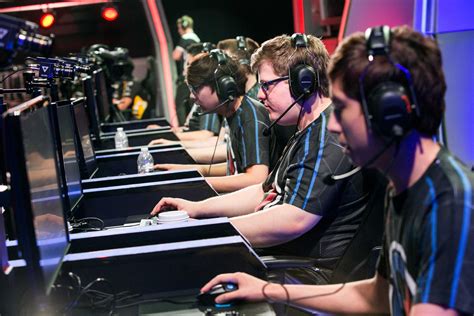
Synergy is the natural flow and understanding between teammates, allowing for coordinated actions without excessive verbal communication. It’s built on trust, shared experience, and deep analytical insight.
Structured Practice Regimens
- Targeted Scrims: Regular practice matches against other competitive teams are essential. Focus should be on executing specific strategies, adapting to opponents, and refining team compositions.
- Focused Drills: Break down complex team actions into smaller, repeatable drills. This could include objective control, team fight initiation, or defensive rotations.
Post-Game Debriefs and VOD Reviews
One of the most powerful tools for improving synergy is the post-game analysis session. Teams review their VODs (Video On Demand) to objectively assess performance.
- Constructive Criticism: Identify mistakes as a team, not to place blame, but to understand shortcomings and learn.
- Identify Patterns: Analyze why certain strategies succeeded or failed, and how communication impacted outcomes. This helps develop shared mental models for future scenarios.
Fostering a Positive and Professional Team Environment
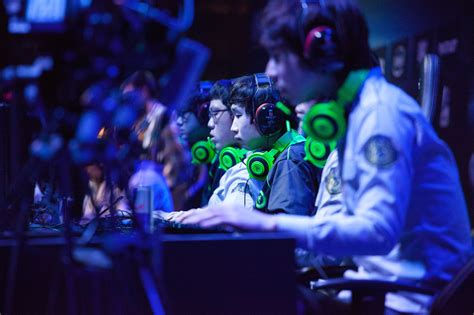
Beyond the game, the interpersonal dynamics within a team significantly impact synergy and communication. A healthy environment promotes open dialogue and mutual respect.
Building Trust and Respect
- Team Building Activities: Spending time together outside of the game can strengthen personal bonds and foster a deeper understanding and trust between players.
- Mutual Support: Encouraging teammates, celebrating successes, and offering support during failures builds a resilient team spirit.
Effective Conflict Resolution
Disagreements are inevitable. How a team handles them defines its longevity and success.
- Open Dialogue: Encourage players to express concerns respectfully and directly.
- Mediation: Coaches or team managers can act as neutral third parties to facilitate resolution if conflicts arise.
Strong Leadership and Role Clarity
Clear leadership, often embodied by an in-game leader (IGL) and supported by a coach, is vital for direction and cohesion. Every player must understand their role, responsibilities, and how they contribute to the team’s overall strategy.

Mental Fortitude and Adaptation
Competitive Esports is mentally taxing. The ability to maintain composure and adapt under pressure is a hallmark of top-tier teams.
Managing Stress and Tilt
- Mental Training: Techniques like mindfulness, breathing exercises, and positive self-talk can help players stay calm and focused during intense moments.
- Resetting After Mistakes: Teams must learn to quickly move past individual errors and refocus on the current game state, preventing a downward spiral of frustration.
Adaptability and Mid-Game Adjustments
The best teams can read their opponents and adjust their strategies on the fly. This requires fluid communication and an ingrained understanding of each other’s playstyles.
Leveraging Technology for Enhanced Performance
Modern Esports benefits immensely from technological advancements that aid in analysis and communication.
Advanced Analytics and Data Feedback
- Performance Metrics: Utilizing data analytics tools to track individual and team performance can provide objective insights into strengths and weaknesses, informing practice strategies.
- Statistical Analysis: Understanding win rates, pick/ban phases, and objective control percentages can reveal crucial patterns and areas for improvement.
Dedicated Communication Software
Using high-quality, low-latency communication platforms (like Discord or TeamSpeak with specific configurations) is non-negotiable for clear voice communication, minimizing technical hindrances to team coordination.
Conclusion
Improving team synergy and communication in competitive Esports is an ongoing process that demands dedication, strategic thinking, and a holistic approach. It encompasses structured practice, rigorous analysis, fostering a healthy team environment, and nurturing mental resilience. By meticulously implementing these strategies, Esports teams can elevate their collective performance, transforming individual talents into a formidable, synchronized unit capable of achieving championship glory.