What essential formatting improves game guide readability & navigation?

The Foundation: Clear Structure and Hierarchy
Creating a game guide that truly serves its audience hinges on a well-defined structure. Without clear organization, even the most accurate information can be lost in a sea of text. The use of strong headings and subheadings is paramount, acting as signposts that guide readers through complex content.
Headings and Subheadings
Employ `
` for major sections (e.g., “Early Game”, “Boss Strategies”, “Side Quests”) and `
` for subsections (e.g., “Chapter 1: The Beginning”, “Phase 1: Attack Patterns”, “Quest: The Lost Relic”). This hierarchical approach allows players to quickly scan and locate relevant information without having to read through large blocks of unrelated text. Consistent use of these elements creates a predictable and easy-to-follow flow.
Paragraphs and Line Spacing
Paragraphs and Line Spacing
Keep paragraphs concise, ideally focusing on a single idea. Break up long stretches of text into smaller, digestible chunks. Adequate line spacing (often referred to as leading in typography) is also vital, as it prevents text from feeling dense and overwhelming. A little white space goes a long way in making a guide inviting to read.
Enhancing Comprehension with Visuals & Emphasis
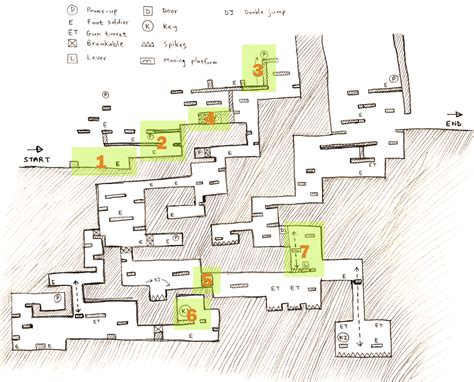
Beyond basic structure, certain formatting elements can highlight key information and make complex data easier to process, significantly boosting comprehension.
Lists (Bulleted and Numbered)
Bulleted lists (`
- `) are excellent for presenting unordered items like essential items, tips, or common enemy drops. Numbered lists (`
- `) are ideal for sequential instructions, steps in a quest, or ability upgrade paths. Both break up text and make information more scannable and digestible.
Bold Text and Italics
Judicious use of bold text (``) can draw attention to critical keywords, item names, character abilities, or warnings. Italics (``) can be used for lore snippets, spoken dialogue, or less critical but still important asides. Overuse, however, can dilute their impact and make the guide appear cluttered.
Tables for Data Organization
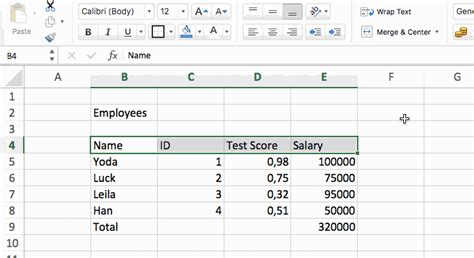
For presenting comparative data, statistics, crafting recipes, or character stats, HTML tables (`

![8 Ways to Add Annotations to Your Screenshots in ScreenSteps [Video]](/images/aHR0cHM6Ly90czQubW0uYmluZy5uZXQvdGg/aWQ9T0lQLnd0U0V3d2RCeW9oZFdFVTYyRzJybWdIYUVkJnBpZD0xNS4x.webp)