What essential info must indie devs include in a pitch to earn an Indie Spotlight?

Crafting the Perfect Pitch: Beyond Just the Game
An Indie Spotlight isn’t just a platform; it’s a coveted opportunity for visibility, community engagement, and potential industry recognition. For independent developers, earning such a spotlight hinges entirely on the quality and completeness of their pitch. It’s not enough to have a great game; you need to effectively communicate its greatness, potential, and the passion driving it. Here’s a breakdown of the essential information that must be woven into your pitch to capture attention and secure that spotlight.
The Core Concept: Your Game’s Unique Identity
Start with a concise, captivating summary. What is your game about? What genre does it belong to, and how does it stand out from the crowd? This is your elevator pitch – short, punchy, and memorable. Highlight your Unique Selling Proposition (USP) early on. Is it a novel mechanic, a groundbreaking story, or a distinctive art style? Clearly define the core loop and what players will primarily be doing. Avoid jargon where possible and speak with clarity and enthusiasm.

Follow up with a more detailed description that elaborates on the premise without overwhelming the reader. Think of it as painting a picture with words, giving just enough detail to spark intrigue and make them want to learn more. Mention key inspirations if they help convey the tone or gameplay style, but always emphasize how your game iterates or innovates on those ideas.
Gameplay Mechanics and Innovation
This section dives into the ‘how’ of your game. Explain the primary gameplay mechanics in detail. How do players interact with the world and its challenges? What makes the gameplay loop engaging and replayable? If there are any innovative systems, unique control schemes, or a fresh take on established genres, this is where you showcase them.
Provide examples of specific gameplay scenarios to illustrate your points. A developer might describe a typical player interaction or a particularly clever puzzle solution to demonstrate the depth and creativity of their design. Clarity here is paramount; even if your mechanics are complex, your explanation should be easy to follow.
Visuals, Audio, and Atmosphere
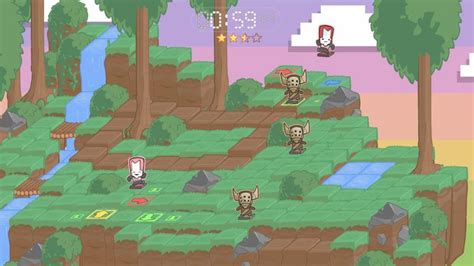
A game’s aesthetic and auditory experience are crucial for immersion and identity. Describe your chosen art style – pixel art, hand-drawn, realistic, stylized 3D – and explain why it fits your game’s themes and mechanics. What mood or atmosphere are you trying to evoke? How do the visuals contribute to the player’s experience?
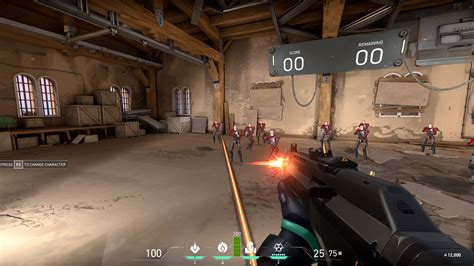
Equally important is the sound design and music. Is there a unique soundtrack composed specifically for your game? How do sound effects enhance gameplay feedback and world-building? A powerful atmosphere, built through cohesive visual and audio design, can be a major differentiator.
Target Audience and Market Position
Who is your game for? Understanding your target audience is vital for any project. Describe the demographic you’re aiming for, their preferences, and what existing games they might enjoy. This shows you’ve done your market research and understand where your game fits in the broader landscape.
Discuss comparable titles and explain how your game distinguishes itself. You’re not just making ‘another platformer’; you’re making ‘a platformer with a unique time-rewind mechanic that appeals to fans of Celeste and Braid.’ This demonstrates a strategic understanding of your game’s place in the market and its competitive edge.
Team, Timeline, and Traction
Behind every great game is a dedicated team. Briefly introduce your core team members, highlighting their relevant experience and roles. If you’re a solo developer, emphasize your passion and the breadth of skills you bring. Acknowledge the stage of development your game is in (e.g., prototype, alpha, beta) and provide a realistic timeline for completion or future milestones.
Crucially, demonstrate any traction you’ve gained. This could include early press coverage, successful crowdfunding campaigns, community engagement statistics (Discord members, Twitter followers), awards, or positive feedback from playtesters. This data provides concrete evidence of interest and potential success.
The Polish: Demo and Presentation
While not strictly ‘information,’ the presence of a playable demo and the overall presentation of your pitch are paramount. A well-crafted, short demo (5-10 minutes) that effectively showcases your game’s core mechanics and unique selling points is often more persuasive than any written description. Ensure it’s stable and easy to access.

Finally, your pitch document itself must be professional, concise, and visually appealing. Use clear headings, bullet points, and high-quality screenshots or concept art. Proofread meticulously. A polished presentation reflects the care you put into your game.
Conclusion: Make Every Word Count
Earning an Indie Spotlight is a competitive endeavor, but by meticulously crafting a pitch that includes these essential elements – a clear core concept, innovative mechanics, compelling aesthetics, a defined market, a capable team, and a polished presentation – you significantly increase your chances. Focus on clarity, passion, and showing, not just telling, the incredible potential of your game. Your pitch is your first opportunity to make a lasting impression; make it count.