What guide structure helps players quickly find specific gaming tips without scrolling endlessly?

The Challenge: Navigating the Information Deluge
In the vast and ever-evolving landscape of modern gaming, players frequently seek specific, actionable advice to overcome challenges, discover secrets, or optimize their gameplay. However, many guides, while comprehensive, often bury crucial information within massive blocks of text, forcing players to scroll endlessly in search of a single tip. This not only frustrates the user but also diminishes the guide’s utility, turning a helpful resource into a daunting wall of text.

Core Principles for Rapid Information Retrieval
To ensure players can quickly pinpoint the exact gaming tips they need, guides must adopt a structure built on clarity, accessibility, and efficient navigation. This involves a multi-faceted approach that considers how players typically consume information in a fast-paced gaming environment.
1. Interactive Table of Contents (TOC) and Anchors
A well-implemented, interactive Table of Contents is arguably the most critical element. Positioned prominently at the top of the guide, it should list all major sections and sub-sections with clickable links that jump directly to the relevant part of the page. For longer guides, a persistent, floating TOC that remains visible as the user scrolls can be incredibly beneficial. Each heading and sub-heading within the content should have a unique anchor ID to facilitate these direct jumps.
2. Logical Categorization and Sections
Content should be broken down into intuitive categories and sub-categories. Instead of a single, monolithic guide, think in terms of missions, characters, mechanics, items, or locations. For example, a guide for an RPG might have sections for “Main Quests,” “Side Quests,” “Character Builds,” “Boss Strategies,” and “Collectibles.” Within each of these, further sub-sections can detail specific elements.
3. Powerful Search and Filtering Functionality
While a good TOC helps, a robust search bar within the guide or platform is indispensable. Players often know exactly what they’re looking for (e.g., “how to beat Dark Beast Ganon” or “best build for X character”). A search function that quickly highlights or navigates to relevant keywords within the guide, possibly with filtering options (e.g., filter by patch version, game mode), dramatically reduces search time.

4. Visual Cues and Progressive Disclosure
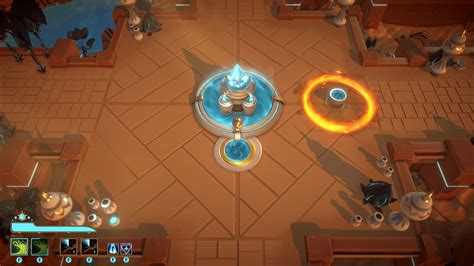
Visual elements like screenshots, annotated maps, diagrams, and short video clips can convey information much faster than text alone. Strategically placed images and embedded videos break up text and provide immediate context. Furthermore, employing progressive disclosure – starting with a concise summary or a bulleted list before delving into detailed paragraphs – allows players to quickly scan and decide if a section is relevant before committing to a full read.
5. Internal Linking and Cross-Referencing
When a tip in one section references a concept or item detailed elsewhere, use internal hyperlinks. This creates a web of interconnected information, allowing players to seamlessly navigate to related topics without having to go back to the TOC or use the search bar. This is particularly useful for complex games with intertwined mechanics.
Implementing a Player-Centric Design
Beyond these structural elements, consider the user’s journey. Use clear, concise language, consistent formatting, and prominent headings. Regularly update guides to reflect game patches or new strategies. Gathering feedback from players on what works and what doesn’t can also provide invaluable insights for continuous improvement. Ultimately, the goal is to reduce friction between the player’s question and the guide’s answer, making information discovery as intuitive and instantaneous as possible.
Conclusion
An effective gaming guide is not just about the quality of its tips but also about how easily those tips can be accessed. By integrating interactive tables of contents, logical categorization, powerful search capabilities, visual aids, and strategic internal linking, guide creators can transform overwhelming data into easily digestible, player-friendly resources. This thoughtful design ensures that players spend less time scrolling and more time playing, truly enhancing their gaming experience.