What indie game submission tips boost ‘Indie Spotlight’ inclusion for devs?

Unlocking Your Indie Game’s Potential: Aiming for the ‘Indie Spotlight’
For independent game developers, getting your creation noticed amidst a sea of new releases is a monumental challenge. The ‘Indie Spotlight’ offers a golden opportunity: a curated platform that can propel your game into the public eye, attracting players, press, and potential partners. But how do you cut through the noise? It all starts with a meticulous and compelling submission. This guide outlines key strategies to significantly boost your chances of inclusion.

Understand the ‘Spotlight’ and Its Curators
Before you even think about submitting, thoroughly research the ‘Indie Spotlight’ platform or publication you’re targeting. What kind of games do they typically feature? Do they lean towards specific genres, innovative mechanics, or unique art styles? Understanding their editorial taste and audience is paramount. A submission tailored to their preferences shows you’ve done your homework and value their platform, instantly making your entry stand out from generic, mass-sent pitches.
Your Press Kit: The Foundation of a Strong Submission
A well-organized and comprehensive press kit is non-negotiable. It’s your game’s resume, providing all essential information in an easily digestible format. Ensure it includes:
- Fact Sheet: Game title, developer name, genre, platforms, release date (or target), price, and a concise elevator pitch.
- High-Resolution Assets: Stunning screenshots, captivating key art, and an engaging logo.
- Gameplay Trailer: A short, punchy, high-quality video showcasing your best gameplay moments and unique selling points.
- Developer Bio: A brief background on you or your team, highlighting passion and experience.
- Press Contact Information: Clear ways for curators to reach you.
Crafting an Irresistible Pitch Letter
Your pitch letter is your initial handshake. It needs to be concise, engaging, and highlight your game’s unique selling proposition (USP) immediately. Avoid jargon and focus on what makes your game special. Why should their audience care? Emphasize innovation, emotional impact, or a fresh take on a familiar genre. Always personalize the letter – address the curator by name if possible, and refer to their platform’s specific interests.

Show, Don’t Just Tell: Quality Visuals and Gameplay
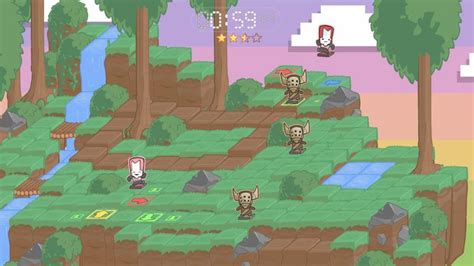
Curators are busy; they need to grasp your game’s essence quickly. This is where your visual assets and gameplay footage shine. Screenshots should be carefully selected, showcasing diverse aspects of your game while maintaining a consistent aesthetic. Your trailer should be professionally edited, demonstrating core mechanics, atmosphere, and excitement within the first 15-30 seconds. A well-produced demo build, if offered, must be stable, bug-free, and representative of the final experience.

Demonstrate Passion, Polish, and Potential
Beyond the technical aspects, curators look for passion and a commitment to quality. Showcase the polish of your game – attention to detail in UI, sound design, and overall user experience. If your game is still in development, clearly articulate your roadmap and vision. A strong, cohesive artistic direction, innovative gameplay, and a clear understanding of your target audience will speak volumes about your game’s potential for success and its fit for an ‘Indie Spotlight’ feature.
The Follow-Up and Professionalism
After submission, a polite, brief follow-up email a week or two later is acceptable, but avoid pestering. Ensure all communications are professional and respectful. Remember, even if your game isn’t chosen this time, maintaining a positive relationship can open doors for future projects. Iterate, improve, and keep refining your submission strategy.

Conclusion: Your Spotlight Awaits
Securing an ‘Indie Spotlight’ feature is a significant milestone for any indie developer. By understanding the platform, meticulously preparing a professional press kit, crafting an engaging pitch, and presenting high-quality visuals, you dramatically increase your chances. Focus on demonstrating what makes your game unique, polished, and worthy of attention, and you’ll be well on your way to earning that coveted spotlight.