What Indie Spotlight format best helps busy gamers quickly identify their next must-play?

In the vast and ever-expanding universe of indie games, discovering the next hidden gem can feel like an overwhelming task, especially for gamers juggling careers, families, and other real-world responsibilities. The traditional deep-dive review, while valuable, often demands a time commitment that busy players simply don’t have. The challenge lies in creating an Indie Spotlight format that cuts through the noise, highlights crucial information, and helps these time-strapped enthusiasts quickly pinpoint their next must-play title.

The Dilemma of Discovery for the Time-Poor Gamer
Modern gaming culture often celebrates extensive playtimes and intricate narratives, which are hallmarks of many fantastic indie titles. However, for a gamer with perhaps an hour or two available each evening, sifting through hours of gameplay footage, lengthy reviews, or poorly structured developer diaries is a non-starter. They need efficiency, clarity, and immediate relevance. The current landscape often fails to deliver this, presenting a treasure trove of games without a clear, concise map.
Proposed Indie Spotlight Formats for Rapid Assessment
1. The “Elevator Pitch + 3 Key Features” Format
This approach begins with a compelling, single-sentence hook – the game’s core concept. This is immediately followed by three bullet points detailing its most unique or appealing features. Think of it as a tweet-sized summary followed by the top three reasons to care. It allows for ultra-fast scanning and immediate understanding of the game’s essence.
2. The “Playtime & Pacing” Metric Focus
Crucial for busy players is knowing the commitment level. An ideal spotlight would prominently feature estimated total playtime, whether it’s a “lunch break roguelike” or a “weekend epic.” Information on pacing (slow burn, action-packed, story-driven) helps set expectations and allows gamers to match a game to their available time slots. This isn’t just about length, but also about the game’s flow and whether it offers natural stopping points.
3. The “If You Like X, You’ll Love Y” Comparison
Context is king. By comparing a new indie title to established, popular games (indie or AAA), busy gamers can quickly gauge its style, genre, and likely appeal. “If you enjoyed the puzzle-platforming of Celeste but wished for a darker narrative, try Limbo.” This immediately provides a frame of reference that resonates with their existing tastes.
4. The Visual Showcase with Minimal Commentary
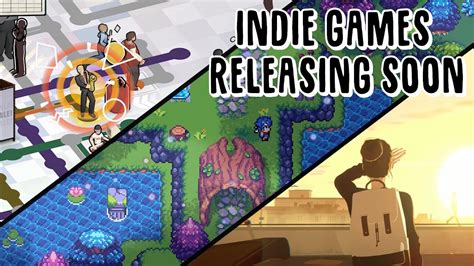
Leveraging short, curated gameplay GIFs or brief video clips that clearly demonstrate core mechanics and art style can be more effective than paragraphs of text. Each visual could have a single, impactful caption. The focus here is on showing, not telling, allowing the gamer to visually process the game’s appeal without needing to read extensively.

Elements of an Ideal Quick-Look Spotlight
Regardless of the primary format, certain elements are non-negotiable for a truly effective busy-gamer spotlight:
- Genre Clarity: Immediately state the genre (e.g., “Narrative Adventure,” “2D Metroidvania,” “Roguelike Deck-builder”).
- Unique Selling Proposition (USP): What makes this game stand out?
- Core Gameplay Loop: Briefly explain what the player will *do* most of the time.
- Estimated Playtime: Essential for time management.
- Platform Availability: PS5, PC, Switch, Xbox?
- Mood/Vibe: (e.g., “Charming & Relaxing,” “Challenging & Atmospheric”).
- “Why Play It Now?”: A concise reason for immediate engagement (e.g., “Innovative mechanic,” “Compelling story,” “Perfect for short bursts”).
A successful Indie Spotlight format for busy gamers isn’t about eliminating depth entirely, but about presenting the most critical information first, in an easily digestible manner, with options to delve deeper if interest is sparked. It prioritizes clarity, conciseness, and direct relevance.
Conclusion: Towards a More Efficient Discovery Process
The optimal Indie Spotlight format for busy gamers likely involves a hybrid approach, combining the brevity of an elevator pitch with clear visual demonstrations and upfront commitment indicators. By adopting formats that prioritize immediate value and respect a gamer’s limited time, we can transform the daunting task of indie game discovery into an exciting, efficient journey. The goal is not just to showcase games, but to connect the right game with the right player at the right time.