What indie spotlight selection criteria best boosts discoverability & reader engagement for our gaming site?

Optimizing Our Indie Spotlight Strategy for Impact
The landscape of indie gaming is vast and ever-expanding, presenting both a challenge and an opportunity for gaming sites aiming to champion emerging titles. For our platform, the core objective of an indie spotlight is twofold: to significantly boost the discoverability of deserving games and to deeply engage our readership. Achieving this delicate balance requires a thoughtful and strategic approach to our selection criteria. It’s not just about picking ‘good’ games, but about selecting games that resonate with our specific audience while also having the potential to break through the noise.
To effectively navigate this, we must define a robust set of guidelines that prioritizes both the intrinsic quality and uniqueness of a game, alongside its capacity to generate excitement and discussion among our readers. This involves looking beyond superficial appeal to the deeper mechanics, narrative, and development ethos.

Criteria for Boosting Discoverability
Discoverability for an indie game means increasing its visibility to a wider audience, both on our site and beyond. Our selection process should actively seek out titles that possess inherent qualities that lend themselves to this:
- Innovation & Uniqueness: Games that offer novel mechanics, genre-bending concepts, distinctive art styles, or compelling narratives that stand out from the crowd. This signals a fresh experience worthy of attention.
- Developer Story & Passion: A strong, human story behind the game’s creation can be incredibly compelling. Highlighting a passionate solo developer or a small team with a unique vision adds a personal touch that resonates.
- Early Buzz & Potential: Identifying games that are already generating positive whispers on social media, during game jams, or through early access programs. This indicates a pre-existing audience or a strong foundation for future growth.
- Niche Appeal with Broad Resonance: While some games might target a very specific niche, they should do so in a way that can be appreciated or understood by a broader gaming audience.
- Cross-Platform Relevance: Including games available on multiple platforms (PC, console, mobile) can significantly expand reach and appeal to diverse segments of our readership.
Criteria for Enhancing Reader Engagement
Engagement means our readers are not just passively consuming content, but actively interacting with it—reading thoroughly, sharing, commenting, and discussing. The chosen games should naturally foster this:
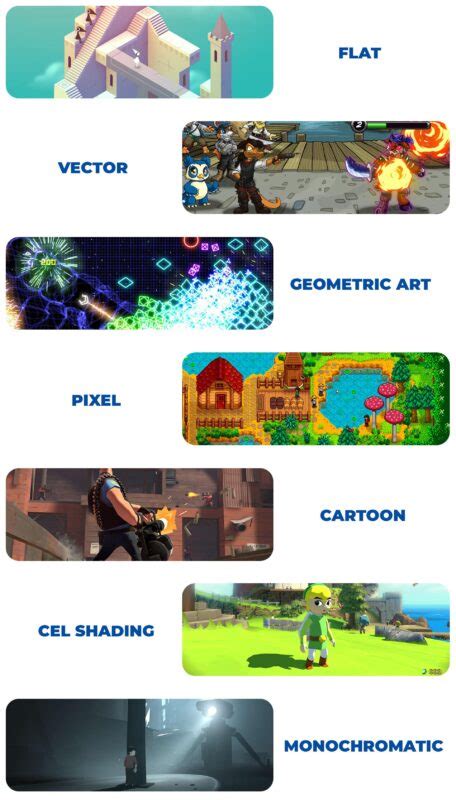
- Visual Appeal & Media Potential: Games with strong, shareable screenshots, captivating trailers, or distinctive visual aesthetics are more likely to grab attention and be shared across social platforms.
- Accessibility of Concept: While unique, the core concept should be understandable and intriguing enough to pique interest quickly. Complex games can still be engaging if their premise is clear.
- Playability & Demo Availability: Games that offer a free demo or are available in an accessible form (e.g., early access on a popular store) allow readers to experience the game firsthand, fostering deeper connection and discussion.
- Community Interaction Potential: Games with emergent gameplay, deep lore, or competitive elements naturally encourage players to discuss strategies, theories, or share experiences.
- Relevance to Current Trends: Timely coverage of games that touch on popular themes, new technologies, or capitalize on current gaming discussions can drive significant traffic and engagement.

The Balancing Act: Innovation vs. Approachability
Striking the right balance is paramount. While we aim to unearth hidden gems, games that are too obscure or abstract might struggle to connect with our audience, regardless of their intrinsic merit. Conversely, always featuring games with established buzz might miss opportunities to truly spotlight unknown talent. Our criteria should allow for a mix: some articles might focus on truly experimental titles for dedicated enthusiasts, while others highlight more accessible indies with broader appeal. Regular review and refinement of these criteria, informed by audience analytics and feedback, will be essential to ensure our spotlight remains dynamic and effective.

Conclusion: A Dynamic Approach to Indie Curation
Ultimately, the most effective indie spotlight selection criteria will be a living document, evolving with the gaming industry and our audience’s tastes. By prioritizing games that not only showcase innovation and passion but also possess the inherent qualities to foster discoverability and deep reader engagement, we can ensure our ‘Indie Spotlight’ remains a valuable resource for both developers and our dedicated community of gamers. This strategic approach will solidify our site as a trusted curator and amplifier for the best in independent gaming.