What Indie Spotlight SEO tactics boost game visibility & attract relevant gaming traffic?

The indie game market is a vibrant, competitive landscape. Thousands of games are released annually, making it increasingly challenging for even the most brilliant titles to find their audience. This is where robust Search Engine Optimization (SEO) tactics become indispensable, transforming an overlooked gem into a discovery for relevant gaming traffic. For indie developers, understanding and implementing effective SEO isn’t just about technical jargon; it’s about connecting your unique creation with players who are actively searching for experiences just like yours.
Mastering Keyword Research for Game Discovery
The foundation of any successful SEO strategy lies in thorough keyword research. For indie games, this means identifying the words and phrases prospective players use when looking for games. Go beyond obvious terms like your game’s title. Think about genre (e.g., “retro pixel art RPG,” “cozy farming sim,” “narrative horror game”), unique mechanics (“time-bending puzzle,” “deck-building roguelike”), artistic style, and even thematic elements (“games about space exploration,” “story-rich detective games”). Utilize tools like Google Keyword Planner, Ahrefs, SEMrush, or even simply explore competitor tags on Steam or itch.io to uncover valuable long-tail keywords that capture specific player intent. Integrating these keywords naturally across your game’s descriptions, website, and promotional materials is crucial for attracting highly relevant traffic.

Optimizing Your Game’s Digital Presence (On-Page SEO)
Once you have your keywords, it’s time to apply them to your primary digital storefronts. Your Steam store page, itch.io page, or dedicated game website are your most critical SEO assets. Optimize every element:
- Title & URL: Ensure your game title is unique and consider adding a relevant keyword if it makes sense. Your website URL should be clean and descriptive.
- Descriptions: Craft compelling, keyword-rich descriptions for both short and long forms. Highlight unique selling points and use variations of your target keywords naturally.
- Tags: Utilize platform-specific tagging systems (like Steam tags) to their fullest. Be accurate and comprehensive, using both broad and niche tags.
- Screenshots & Trailers: These aren’t just for aesthetics; they are content. Ensure filenames are descriptive (e.g., “my-game-gameplay-screenshot-puzzle-level.jpg”) and video descriptions on YouTube are optimized with keywords and links.
- Meta Data: If you have a dedicated website, ensure your meta titles and descriptions are optimized to entice clicks from search engine results pages.
Think of your digital storefronts as landing pages designed not just for players, but for search engines to understand what your game is about.
Building Authority and Reach (Off-Page SEO & Outreach)
Off-page SEO focuses on building your game’s credibility and reach across the web, primarily through backlinks and mentions. This signals to search engines that your game is important and relevant. Key tactics include:
- Press Kits: Create an easily accessible, professional press kit on your website with high-res assets, key information, and contact details. This makes it easy for journalists and content creators to cover your game.
- Media Outreach: Proactively reach out to gaming journalists, streamers, YouTubers, and influential bloggers who cover your game’s genre. A mention or review on a reputable site can provide valuable backlinks and expose your game to a wider audience.
- Community Engagement: Participate actively in relevant gaming forums, subreddits, Discord servers, and social media groups. Provide value, answer questions, and subtly share updates about your game where appropriate. This builds organic buzz and can lead to natural links and shares.

Engaging Content Marketing Strategies
Content marketing goes hand-in-hand with SEO, providing valuable assets that attract and retain interest. For indie developers, this can take many forms:
- Dev Logs & Blogs: Regularly update a development blog or dev log with insights into your game’s creation process, art style, coding challenges, and design philosophies. This humanizes your project and provides fresh, keyword-rich content for search engines to index.
- Video Content: Beyond trailers, create “let’s play” style videos, developer commentaries, or tutorials. Host them on YouTube and optimize titles, descriptions, and tags. YouTube is a massive search engine in itself, and engaging video content can drive significant traffic.
- Social Media: Maintain an active presence on platforms where your target audience congregates. Share updates, screenshots, GIFs, and engage with your community. While not direct SEO, social signals can indirectly boost visibility and drive traffic to your optimized pages.
Each piece of content you create is an opportunity to attract new players through search and social channels.

Leveraging Analytics and Iteration
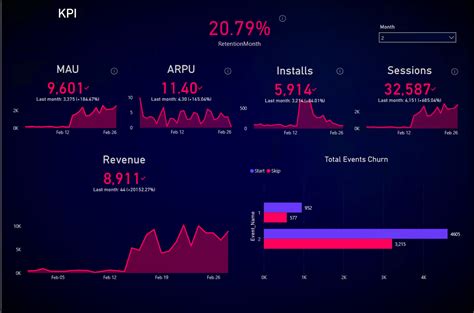
SEO is not a one-time setup; it’s an ongoing process of monitoring, analyzing, and adapting. Utilize analytics tools (Google Analytics for your website, Steam’s built-in analytics) to track performance. Which keywords are driving traffic? Which pages are most popular? Where are players dropping off?
Pay attention to conversion rates on your store pages. Are visitors adding your game to wishlists or purchasing it? Use this data to continually refine your keywords, descriptions, and content. The gaming market evolves, and so should your SEO strategy. Engage with your community on platforms like Discord or forums to understand their language and what they look for in games, further informing your keyword choices and content strategy.
For indie developers, effective SEO is a powerful, cost-efficient tool to cut through the noise and ensure your game gets the attention it deserves. By meticulously researching keywords, optimizing your digital presence, actively building authority, creating engaging content, and continuously refining your approach based on data, you can significantly boost your game’s visibility and consistently attract a passionate, relevant gaming audience.