What Indie Spotlight strategy maximizes game wishlists & player engagement?
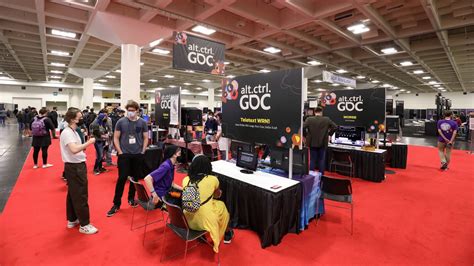
For independent game developers, securing an ‘Indie Spotlight’ — whether on a major platform, a popular streamer’s channel, or a prominent media outlet — is a golden opportunity. However, simply getting featured isn’t enough; the true challenge lies in converting that visibility into tangible results: a surge in wishlists and a deeply engaged player base. This requires a multi-faceted approach, strategically planned to capitalize on every moment of attention.
Early Engagement: Building Anticipation and Hype
The most successful Indie Spotlight strategies begin long before the actual feature. Building anticipation is crucial. This involves actively engaging with potential players through well-crafted teasers, engaging developer diaries, and, most importantly, compelling playable demos. A high-quality demo available during an event or spotlight can dramatically increase wishlist conversions as players get a direct taste of the game.
Utilize social media to run contests, Q&As, and share behind-the-scenes glimpses. Encourage user-generated content and fan art, making early followers feel like an integral part of the game’s journey. During a spotlight, point audiences directly to where they can play the demo or wishlist the game immediately.
Community Cultivation: The Heart of Indie Success
An Indie Spotlight provides a surge of new eyes, and turning those viewers into loyal community members is paramount. Establish a strong presence on platforms like Discord, Twitter, and Reddit, making them welcoming spaces for discussion. Developers should be visible, responsive, and genuinely interested in player feedback. Host regular community events, streams, or Q&A sessions.
During a spotlight, make it easy for new players to find and join these communities. Provide clear links and encourage interaction. A strong community not only drives wishlists through word-of-mouth but also forms a crucial feedback loop for development, enhancing the game’s quality and ensuring long-term player retention.
Platform Optimization: Leveraging Discovery Tools
Each platform (Steam, Epic Games Store, Nintendo eShop, etc.) offers specific tools to maximize discoverability. For Steam, this means optimizing your store page with high-quality screenshots, an impactful trailer, a clear description, and relevant tags. An Indie Spotlight should drive traffic directly to this optimized page. Ensure your call to action for wishlisting is prominent and unmissable.
Participate in platform-specific events, festivals, and sales. These often come with their own spotlight opportunities. Cross-promotion with other indie developers can also broaden your reach, introducing your game to new audiences who already appreciate indie titles. Focus on converting spotlight visitors into wishlists, as this signals strong interest to the platform’s algorithms, potentially leading to further organic promotion.
Content Creation: Showcasing Your Vision and Process
Beyond the game itself, the story behind its creation can be incredibly compelling. Regular content creation, such as dev vlogs, live streams of development, art showcases, and music deep dives, humanizes your project and builds a deeper connection with your audience. When an Indie Spotlight occurs, this rich library of content provides curious players with more avenues to explore your game’s world and your passion.

Prepare a concise and engaging elevator pitch that can be used across all communication channels. Have a well-prepared press kit ready for media outlets that might pick up on your spotlight. The more compelling and accessible content you have, the more likely you are to capture and hold attention, converting it into wishlists and sustained engagement.
Sustained Engagement: Keeping Players Invested Post-Spotlight
The impact of an Indie Spotlight doesn’t end when the feature does. It’s crucial to maintain momentum. Continue to engage your community with regular updates on development progress, sneak peeks, and direct communication. Transparency about challenges and successes can build immense trust and loyalty.

Once the game launches, actively solicit feedback and demonstrate that you are listening by implementing player suggestions where appropriate. Plan for post-launch content, updates, and community events to keep players coming back. A well-executed spotlight acts as a powerful catalyst, but it’s the consistent, authentic engagement that truly maximizes long-term wishlists, player numbers, and the overall success of your indie title.