What interactive features boost engagement on our indie game spotlight articles?

In the vibrant, ever-expanding universe of indie games, standing out is crucial. Our indie game spotlight articles aim to not just showcase these hidden gems but also to forge a deeper connection between the game and our readers. The challenge lies in moving beyond static text and images to create an experience that truly captures attention and encourages active participation. This article explores various interactive features that can significantly boost engagement on our indie game spotlight articles, transforming passive reading into an an immersive journey.
The Power of Engagement: Why Interaction is Key
Traditional articles, while informative, can sometimes feel one-sided. In today’s digital landscape, readers expect more than just information; they seek an experience. For indie game spotlights, engagement means converting a casual scroll into a genuine interest, potentially leading to a download or purchase. Interactive elements break the fourth wall, inviting readers to become part of the narrative. This fosters a sense of ownership, increases time spent on the page, reduces bounce rates, and ultimately, builds a more loyal audience for both the game and our platform.

Unlocking Potential: Effective Interactive Features
Several interactive features can be seamlessly integrated into our articles to elevate the user experience:
1. Embedded Playable Demos or Game Trailers
Nothing sells a game like playing it or seeing it in action. Embedding short, browser-based playable demos (if feasible) or high-quality game trailers directly into the article allows readers to instantly experience the game. This immediate gratification is powerful, giving a tangible sense of the gameplay, art style, and overall vibe without leaving the page. For trailers, ensure they are concise and highlight key aspects that would hook a potential player.
2. Interactive Polls and Quizzes
Engage readers with questions related to the game’s genre, mechanics, or art style. For example, “What’s your favorite pixel art game?” or “Which character class would you choose?” Quizzes can test knowledge about the game introduced in the article or present hypothetical scenarios within its world. These features are low-effort for readers but provide valuable data and a sense of community participation. They also make the article feel more dynamic and less like a monologue.
3. Dynamic Comment Sections and Developer Q&A
A robust comment section is a foundation for community. Encourage readers to share their thoughts, predictions, and excitement. Taking this a step further, consider hosting live developer Q&A sessions directly within the article comments or a dedicated chat widget for a limited time. This gives readers direct access to the creators, fostering a unique connection and generating authentic interest. Pre-submitted questions can also be answered by developers in a special section.
4. Interactive Image Galleries and 360-Degree Views
While static screenshots are good, an interactive gallery allows readers to click through high-resolution images, zoom in, or even view concept art. For games with unique environments or character designs, 360-degree interactive images or models could offer an unparalleled perspective, allowing readers to explore the game’s world in detail. This provides a richer visual experience than a simple image carousel.
5. Social Sharing Prompts and Call-to-Actions
While not strictly “interactive” within the article content, prominent and easy-to-use social sharing buttons encourage readers to spread the word. Furthermore, clear call-to-actions (e.g., “Wishlist on Steam,” “Follow the Developer”) directly link reader interest to actionable steps, converting engagement into tangible support for the indie game. Consider embedding specific tweet prompts that pre-fill with game info.

Best Practices for Integration
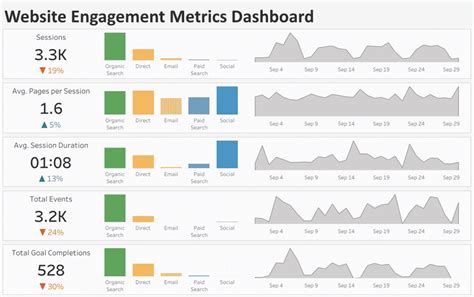
Implementing interactive features effectively requires careful consideration. Ensure that features are relevant to the game being spotlighted and enhance, rather than detract from, the core content. Optimize for various devices, especially mobile, as a significant portion of our audience accesses content on smartphones. Finally, track the performance of these features – analyse which elements drive the most engagement, time on page, and conversion rates to continuously refine our approach.
Conclusion
Transforming our indie game spotlight articles into dynamic, interactive experiences is paramount for capturing and retaining reader interest. By strategically incorporating features like playable demos, engaging polls, vibrant comment sections, and immersive galleries, we can create a more personal and memorable journey for our audience. This not only boosts engagement on our platform but also provides invaluable visibility and support for the innovative indie developers we champion. Let’s embrace interactivity to tell richer stories and connect more deeply with the games and their creators.