What is the best strategy for scoring live-service game reviews after major updates?

The landscape of video game reviews has shifted dramatically with the rise of live-service titles. Unlike traditional single-player experiences, these games are constantly evolving, making the initial review score often obsolete months, or even weeks, after launch. This presents a unique challenge for critics: how do you accurately and fairly score a game that is a moving target, especially after major updates?
The Dynamic Nature of Live-Service Gaming
Live-service games thrive on continuous development, introducing new content, balancing changes, and often overhauling core mechanics. A launch-day review might capture a game’s potential, but a significant expansion or a series of patches can fundamentally alter the player experience, for better or worse.
The traditional review model, a snapshot in time, struggles to accommodate this fluidity. A game initially panned might become a masterpiece, or a highly praised title could crumble under poor updates. Reviewers need a robust strategy to reflect these changes accurately.

When to Re-evaluate: Timing is Everything
One of the most critical decisions is determining when to re-evaluate a live-service game. Major content drops, significant reworks, or milestone anniversaries are prime candidates. It’s not feasible to re-review after every minor patch, but impactful updates demand attention.
A common approach is to wait until a new “season” or a major expansion has settled, giving players and developers alike time to experience and react to the changes. This allows for a more comprehensive assessment of the update’s long-term impact on the game’s health and player engagement.
Beyond the Patch Notes: What to Focus On
When revisiting a game, the focus should extend beyond just the new content. How have the fundamental gameplay loops changed? Is the progression system more rewarding or more grindy? Have performance issues been addressed, or new ones introduced?
It’s crucial to assess the game’s overall value proposition. Does the new content justify continued investment? Has the developer demonstrated a commitment to improving the player experience based on feedback? This holistic view is more valuable than simply reviewing the new patch in isolation.

Integrating Community Sentiment and Developer Transparency
Live-service games are inherently community-driven. A successful review strategy should acknowledge and, to some extent, integrate community feedback. This doesn’t mean blindly adopting player opinions but understanding prevailing sentiments, common complaints, and celebrated improvements.
Furthermore, developer transparency plays a huge role. Games with clear communication about future roadmaps, patch intentions, and acknowledgments of issues often fare better in the long run. Reviewers should consider how well a developer is engaging with their community and evolving the game.

The “Living Review” Model: A Potential Solution
Some outlets have adopted a “living review” model, where the original review is updated periodically, or a score is dynamically adjusted. This involves maintaining a dedicated page that logs significant updates, offers ongoing impressions, and perhaps even features a historical score tracker.
This approach prioritizes transparency, allowing readers to see how the game (and its critical reception) has evolved over time. While resource-intensive, it provides the most accurate and current reflection of a live-service title’s quality.
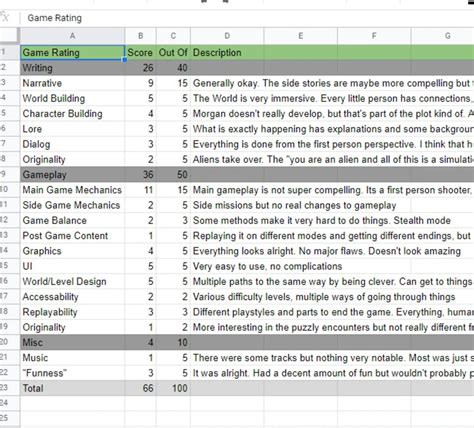
Crafting Fair and Relevant Post-Update Scores
Ultimately, the best strategy for scoring live-service game reviews post-update combines careful timing, a holistic evaluation of core gameplay and new content, an understanding of community dynamics, and a commitment to transparency.
It moves beyond a static score to embrace the dynamic nature of these games, providing readers with an evolving critical perspective that mirrors the games themselves. This ensures that reviews remain valuable, informative, and fair to both developers and players in the ever-changing live-service landscape.