What key elements make an indie game standout for an Indie Spotlight feature?

The Quest for Visibility: Standing Out in the Indie Scene
In the vast, ever-expanding universe of indie games, securing a coveted “Spotlight” feature can be transformative. It’s a beacon of recognition that draws eyes to a project, but earning that spotlight requires more than just a good game; it demands a game that genuinely stands out. So, what specific, key elements elevate an indie title above the noise, making it irresistible for a feature?
Unique Core Concept & Innovation
At the heart of every truly memorable indie game lies a unique core concept or a fresh take on established mechanics. This isn’t just about being different for difference’s sake, but about offering a genuinely novel experience or solving a design problem in an elegant, unexpected way. Whether it’s an innovative gameplay loop, a never-before-seen genre blend, or a clever mechanic that subverts player expectations, originality is paramount. A game that introduces a “eureka!” moment for players or critics is far more likely to capture attention.

Compelling Narrative & World-Building
While not every game needs a deep, sprawling epic, a compelling narrative or rich world-building significantly enhances a game’s standout potential. This could manifest as poignant storytelling, intricate lore, memorable characters, or even an evocative atmosphere that encourages players to explore and uncover its secrets. A well-crafted story or an immersive world creates an emotional connection, turning players into advocates and giving reviewers ample material to discuss beyond just gameplay mechanics. It allows the game to resonate long after the credits roll.
Distinctive Art Style & Audio Design
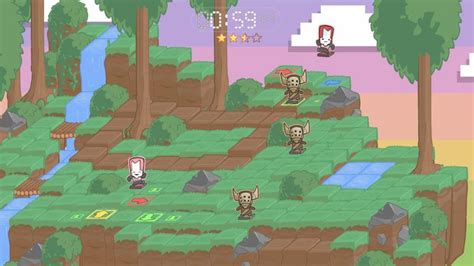
Visuals and audio are often the first impressions an indie game makes, and a distinctive aesthetic can be a powerful differentiator. This doesn’t necessarily mean photorealistic graphics; in fact, many standout indies leverage stylized, unique art directions that reflect the game’s theme or mechanics. Think hand-drawn aesthetics, pixel art with personality, or bold, abstract designs. Coupled with an equally thoughtful soundscape – be it an atmospheric score, clever sound effects, or impactful voice acting – a game’s presentation can create an unforgettable identity that instantly sets it apart.

Polished Gameplay & User Experience
Innovation and aesthetics can draw players in, but polished gameplay and a smooth user experience keep them engaged. A standout indie game demonstrates attention to detail in its controls, feedback systems, difficulty curve, and overall flow. Bugs are minimal, performance is stable, and the interface is intuitive. Reviewers and feature writers are keen to highlight games that feel good to play and respect the player’s time, demonstrating the developers’ commitment to quality and their understanding of player enjoyment.

Developer Passion & Vision
Often, what truly elevates an indie game for a spotlight feature is the palpable passion and clear vision of its creators. This isn’t just about PR; it’s about the game itself reflecting a dedication to a particular idea, theme, or experience. When developers can articulate their journey, their inspirations, and the challenges they overcame, it adds a compelling human element to the story behind the game. This personal touch can be incredibly appealing to those looking to champion unique voices in the industry, transforming a mere product into a narrative of creative triumph.

Ultimately, making an indie game stand out for an Indie Spotlight feature is a multi-faceted endeavor. It requires a harmonious blend of innovative ideas, engaging content, masterful presentation, and a polished execution, all underpinned by the unyielding passion of its creators. A game that can hit these notes not only deserves attention but demands it, ensuring its place in the ever-evolving narrative of indie success stories.