What key info should indie devs provide to maximize their game’s spotlight impact & engagement?

Cutting Through the Noise: The Power of Information
In the bustling world of indie game development, simply making a great game isn’t always enough to stand out. Thousands of titles launch every year, vying for attention from players, press, and content creators. To truly maximize your game’s spotlight impact and foster genuine engagement, indie developers must be strategic about the information they provide. This guide outlines the essential details that will help your game not just be seen, but truly shine.
Crafting Your Core Message: The Elevator Pitch
Every game needs a concise, compelling “elevator pitch.” This isn’t just a tagline; it’s a 1-2 sentence summary that encapsulates your game’s genre, unique selling proposition (USP), and primary appeal. It should immediately answer: “What is this game, and why should I care?”
Think about what unique experience your game offers, what emotion it evokes, or what innovative mechanic sets it apart. This foundational message should permeate all your communications, serving as the bedrock for every piece of information you share.

Visuals That Speak Volumes: Screenshots & Trailers
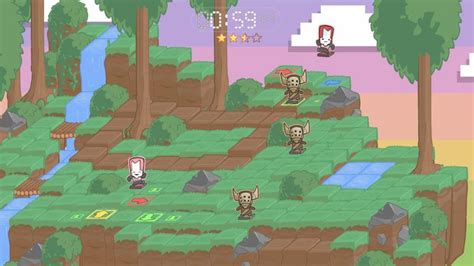
In a visually-driven industry, high-quality media is non-negotiable. Provide a curated selection of captivating screenshots showcasing diverse aspects of your game – combat, exploration, puzzles, character design, and user interface. Ensure they are high-resolution and represent the best visual fidelity of your game.
A short, punchy gameplay trailer (60-90 seconds) is often more effective than a long one. Focus on exciting moments, key features, and your game’s unique aesthetic. Always include a clear call to action at the end. Don’t forget GIFs for quick social sharing and to highlight specific mechanics or humorous moments.
The Human Element: Your Dev Story & Team
People connect with people. Sharing a glimpse into your development journey – the challenges, passions, and inspirations – can forge a deeper connection with potential players and press. This humanizes your project and builds trust, turning a product into a personal endeavor.
Briefly introduce your core team members, their roles, and perhaps a fun fact or two. Transparency about your studio’s ethos or the game’s origin story can be incredibly compelling, especially for smaller, independent teams who can leverage their personal narrative.

Deep Dive: Gameplay Mechanics & Features
While the hook grabs attention, the details retain it. Clearly explain your core gameplay loop, unique mechanics, and key features. Use simple, accessible language and avoid jargon where possible. Help potential players understand what they will actually *do* in your game.
Highlight what makes your game fun and unique to play. Is it a unique combat system, an innovative puzzle mechanic, a branching narrative, or a particular art style that influences gameplay? Provide specific examples to illustrate these points, rather than just listing features.

Logistics & Availability: Platforms, Release, & Contact
Crucial, yet often overlooked, logistical information is vital for everyone from players to journalists. Clearly state which platforms your game will be available on (PC, Switch, Xbox, PlayStation, mobile), your planned release window (e.g., “Early 2024,” “Q3 2025”), and if there’s a demo available. Be as specific as possible without over-committing.
Provide easy-to-find contact information for press inquiries, business partnerships, and general player feedback. Include direct links to your official website, storefront pages (Steam, Epic Games Store, etc.), and active social media channels (Twitter/X, Discord, YouTube).

The Call to Action: Guiding Player Engagement
Don’t leave potential players wondering what to do next. Clearly articulate your desired call to action (CTA). For upcoming games, the most common and effective CTA is “Wishlist on Steam” (or other platforms). For released games, it’s “Buy Now” or “Play the Demo.” Always include direct, clickable links.
Beyond sales, encourage players to join your community (e.g., Discord server, mailing list, subreddit) to stay updated on development, connect with other fans, and provide feedback. This converts passive interest into active, ongoing engagement.

Packaging Your Information: The Press Kit Mindset
All this valuable information is best compiled into an easily accessible press kit. Host it on your official website or use a dedicated service. A well-organized press kit is a journalist’s and content creator’s best friend, making their job of covering your game significantly easier.
Ensure your press kit includes all the above points, along with high-resolution logos, a fact sheet, character art, key art, and anything else that helps media outlets and content creators tell your story effectively and accurately.
Conclusion
Maximizing your game’s spotlight impact and engagement isn’t just about shouting the loudest; it’s about communicating smart. By thoughtfully preparing and providing comprehensive, compelling, and easy-to-access key information – from your unique selling proposition and captivating visuals to your development story and clear calls to action – indie developers can cut through the noise, connect authentically with audiences, and ultimately, shine brighter in the crowded gaming landscape. Invest time in your communication strategy, and your game will reap the rewards.