What makes an indie game pitch stand out for an ‘Indie Spotlight’ on gaming news sites?
In the crowded and ever-expanding world of independent game development, merely creating a brilliant game isn’t enough to guarantee recognition. To land a coveted ‘Indie Spotlight’ feature on a prominent gaming news site, developers must master the art of the pitch. But what exactly transforms a standard email into a compelling invitation for coverage?
The Unforgettable Hook: Concept and Visuals
Journalists sift through hundreds of pitches daily. To stand out, your game needs an immediate, intriguing hook. This often comes down to a unique core concept or stunning visual identity. Is your game a genre-bender? Does it tackle an unusual theme? Does its art style immediately distinguish it from the pixel art or low-poly crowd? A strong, concise elevator pitch that articulates your game’s ‘X-factor’ is crucial. Coupled with striking screenshots or a captivating GIF, this initial impression can be the difference between a delete key and a deeper dive.

Gameplay Innovation and Depth
Beyond the initial sparkle, gaming news sites are looking for substance. What makes your gameplay unique and engaging? Don’t just list features; explain the innovative mechanics or how you’ve refined existing ones to create a fresh experience. Highlight the depth, replayability, and the emotional or intellectual journey players can expect. A short, well-edited gameplay trailer (ideally under 90 seconds) that showcases these elements without spoiling too much is invaluable. It should leave the journalist wanting to experience it for themselves.
The Story: Both Game and Developer
While the game itself is paramount, the story behind it can be equally compelling. Is there an interesting narrative behind your studio’s formation? Did you overcome significant challenges during development? Is there a personal connection to the game’s themes? Gaming news sites love human interest angles. Sharing a glimpse of your passion, dedication, and the unique journey of your team can forge a connection and make your game’s story more relatable and newsworthy. Authenticity resonates deeply.

The Professional Press Kit: Your Digital Ambassador
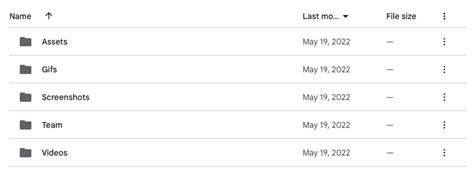
A well-organized, easily accessible press kit is non-negotiable. This isn’t just a collection of assets; it’s a statement of your professionalism. Your press kit should include:
- A concise fact sheet (release date, platforms, genre, price, key features).
- High-resolution screenshots and official logos.
- Gameplay and announcement trailers.
- Developer biographies and studio information.
- Previous press coverage (if any).
- Clear contact information.
Hosting this on a dedicated press page on your website or using a service like Presskit() ensures journalists can quickly find everything they need without back-and-forth emails. Make it as easy as possible for them to write about your game.
Targeted Pitches and Timeliness
Generic, mass-sent emails are easily spotted and often ignored. Research the gaming news sites and specific journalists you’re pitching to. Understand their content style, the types of games they cover, and their recent articles. Tailor your pitch to explain why your game specifically aligns with their audience and editorial focus. Timing is also critical: pitch too early, and your game might be forgotten; pitch too late, and you might miss a news cycle. Aim for a few weeks before a significant announcement (like a trailer drop or demo release) or a major event (PAX, GDC) to give them time to prepare.
Conclusion
Making an indie game pitch stand out requires a blend of creativity, clarity, and professionalism. Focus on your game’s unique identity, showcase innovative gameplay, share your authentic story, provide a flawless press kit, and deliver a targeted pitch with impeccable timing. By mastering these elements, you significantly increase your chances of capturing the attention of gaming news sites and earning that well-deserved ‘Indie Spotlight’ feature, propelling your game into the public eye.