What makes an indie game stand out for editorial Spotlight selection?
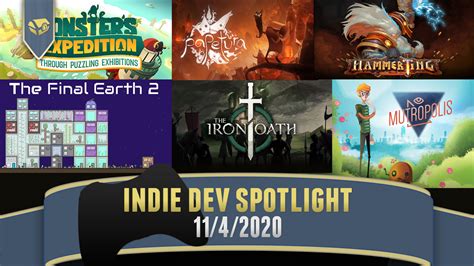
In the vast and ever-growing landscape of independent games, simply creating a great game isn’t always enough to stand out. Thousands of titles launch every year, vying for attention from players, streamers, and, crucially, editorial teams looking for the next big story. Securing an editorial spotlight can be a game-changer, providing invaluable visibility and legitimacy. But what exactly makes an indie game cut through the noise and catch an editor’s eye?
The Core Game Concept: Innovation and Polish
At the heart of every standout indie game is a concept that either redefines a genre or presents a familiar idea with an innovative twist. Editors are always on the hunt for novelty – be it a unique gameplay mechanic, an unconventional narrative structure, or a bold artistic vision that challenges expectations. It’s not just about being different, but being thoughtfully different. Does the game offer an experience players haven’t had before? Does it solve a problem in game design in an elegant way?
Beyond innovation, polish is paramount. A brilliant concept can be overshadowed by technical issues, clunky controls, or a lack of attention to detail. Editors review countless games, and a bug-ridden or unrefined experience often gets dismissed quickly. A game that feels good to play, performs well, and shows a clear level of care from the developers immediately signals professionalism and respect for the player’s time.

Visuals and Sound: A Distinct Aesthetic
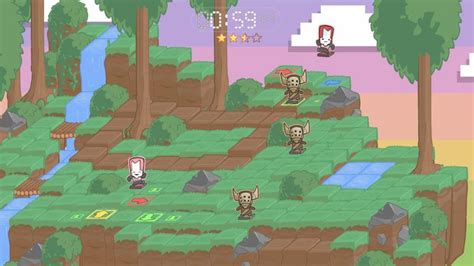
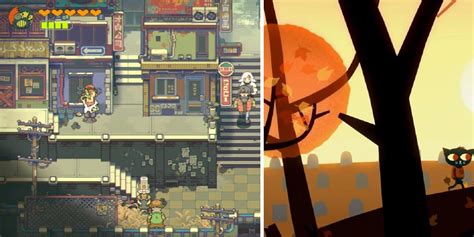
While gameplay is king, a game’s aesthetic presentation is its first impression. A distinctive art style and compelling sound design are powerful tools for making an indie game memorable. This doesn’t necessarily mean high-fidelity graphics; many successful indies boast pixel art, hand-drawn, or low-poly styles. The key is that the chosen aesthetic is consistent, serves the game’s themes, and creates a strong visual identity.
Similarly, sound design and music contribute significantly to immersion and atmosphere. A well-composed soundtrack, satisfying sound effects, and even thoughtful voice acting can elevate the player experience and make a game resonate on a deeper emotional level. Editors look for games that present a cohesive and engaging sensory package.
Compelling Storytelling and World-Building
Many indie games excel where AAA titles sometimes falter: in their ability to deliver deeply personal, experimental, or emotionally resonant narratives. Editors are often drawn to games that tell a captivating story, build a rich and believable world, or explore complex themes in a meaningful way. Whether it’s through environmental storytelling, character dialogue, or traditional cutscenes, a strong narrative hook can make a game unforgettable.
Games that evoke strong emotions, present intriguing mysteries, or offer unique perspectives on human experience tend to generate more discussion and, consequently, more editorial interest. It’s about creating an experience that stays with the player long after the credits roll.
Developer Passion and Communication
The story behind the game can be as compelling as the game itself. Editors appreciate developers who are passionate, transparent, and actively engage with their community. A clear developer vision, a journey of overcoming challenges, or a commitment to a particular message can add significant weight to a game’s appeal.
Effective communication is also vital. A well-organized press kit, clear messaging about what makes the game unique, and responsiveness to media inquiries demonstrate professionalism. Editors are more likely to cover games from developers who make it easy for them to do their job, providing all necessary assets and information upfront.

The “Hook” and Market Readiness
Finally, editors are looking for a clear “hook” – something that can be succinctly articulated and immediately grabs attention. This could be “a roguelike with rhythm-based combat,” “a narrative adventure about grief in space,” or “a puzzle game that redefines spatial reasoning.” The clearer the hook, the easier it is for an editor to pitch it internally and to their audience.
Beyond the hook, market readiness is key. Is the game available on relevant platforms? Is there a clear release date or an accessible demo? Is the developer prepared for the influx of attention an editorial spotlight brings? A game that is polished, well-positioned, and accompanied by a professional marketing approach significantly increases its chances of being featured.

Conclusion
Standing out in the indie game scene requires more than just a good idea; it demands a holistic approach to development and presentation. Innovation, polish, a distinct aesthetic, compelling storytelling, developer passion, and a clear market strategy all contribute to making an indie game shine. By focusing on these elements, independent developers can significantly increase their chances of capturing editorial attention and earning that coveted spotlight, bringing their unique creations to a wider audience.