What makes an indie game truly stand out for a ‘Spotlight’ feature?

The indie game landscape is a vibrant, ever-expanding universe, teeming with creativity and passion. Yet, for every breakout success, countless brilliant titles struggle to gain visibility. For an indie game to truly capture attention and earn a coveted ‘Spotlight’ feature from platforms, publications, or content creators, it needs more than just a good idea; it needs a compelling identity that resonates deeply with players and pundits alike. So, what are the core ingredients that elevate an indie game from ‘just another title’ to a must-see phenomenon?
The Spark of Innovation: Unique Mechanics and Concepts
At the heart of every truly memorable indie game is often a novel twist on established mechanics or an entirely fresh concept. This isn’t just about being different for difference’s sake, but about offering a gameplay experience that feels genuinely new and engaging. Whether it’s a genre-bending fusion, an innovative control scheme, or a core loop that defies conventions, originality in design immediately piques curiosity. Games that invite players to think differently, solve problems in unconventional ways, or interact with their world in unique capacities often become conversation starters.

A Feast for the Senses: Distinctive Art Style and Sound Design
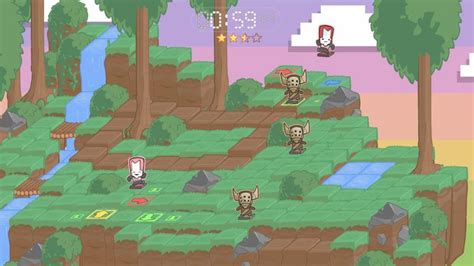
Visuals and audio are often the first elements to grab a player’s attention, and in the indie scene, they’re powerful tools for differentiation. An indie game doesn’t need AAA graphics; it needs a distinctive, cohesive art style that speaks volumes about its identity. This could be anything from pixel art mastery and hand-drawn aesthetics to unique 3D rendering or bold color palettes. Coupled with a memorable soundtrack, evocative sound effects, and thoughtful audio cues, a game’s aesthetic presentation can forge an immediate, emotional connection, making it instantly recognizable and shareable.
Crafting Worlds: Compelling Narrative and Lore
While not every game needs an epic saga, a strong narrative or rich world-building can elevate an indie title significantly. This goes beyond simple plot points; it’s about creating a universe that players want to explore, characters they care about, and mysteries they’re eager to unravel. Whether told through environmental storytelling, impactful dialogue, or emergent gameplay moments, a compelling narrative provides depth and emotional resonance, making the experience linger long after the credits roll. Games that evoke strong feelings or provide thought-provoking themes often find a dedicated audience.

The Pursuit of Perfection: Polish and Player Experience
No amount of innovation or artistic flair can fully compensate for a game that feels unpolished or frustrating to play. A truly standout indie game prioritizes a smooth, intuitive, and enjoyable player experience. This means thoughtful UI/UX design, responsive controls, minimal bugs, and a clear understanding of pacing and progression. Demonstrating a commitment to quality and player satisfaction builds trust and ensures that the game’s unique qualities can shine through without being obscured by technical issues or clunky design choices. A polished demo or early access build can be particularly effective in securing a spotlight.

Beyond the Game: Developer Vision and Community Engagement
Sometimes, what makes an indie game stand out isn’t just the game itself, but the story behind its creation and the passion of its developers. A clear, inspiring vision from the creators, coupled with active and authentic community engagement, can be incredibly compelling. Sharing development journeys, listening to player feedback, and fostering a sense of camaraderie around the game’s creation can transform curious onlookers into passionate advocates. This human element, the visible dedication and connection to the audience, often makes a game more endearing and spotlight-worthy.

Ultimately, a game worthy of a ‘Spotlight’ feature is rarely just one of these elements in isolation. It’s usually a harmonious blend, where innovation is supported by distinctive art, a compelling world, and a commitment to quality, all fueled by genuine developer passion. When these factors align, an indie game doesn’t just ask for attention; it commands it, leaving an indelible mark on players and earning its rightful place in the spotlight.