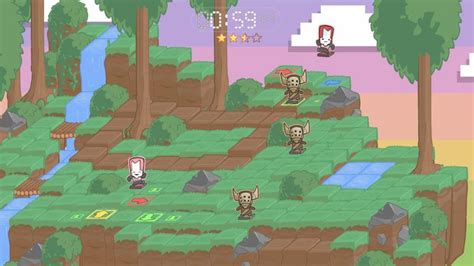
What makes an indie game’s pitch stand out for your spotlight?

The Challenge of Standing Out in a Sea of Innovation
In the vibrant, ever-expanding universe of indie games, standing out is not just an aspiration; it’s a necessity. Every day, countless passionate developers pour their hearts into creating unique experiences, but only a fraction truly capture the attention of players, press, and platforms. For those looking to secure a spotlight feature, the pitch isn’t merely an introduction—it’s your one shot to convey passion, potential, and professionalism. So, what separates a good pitch from an unforgettable one?

The Core Concept: An Unforgettable Hook
Clarity and Originality
At the heart of every successful pitch is a crystal-clear concept. Can you distill your game’s essence into a single, compelling sentence? Is its core loop immediately understandable and intriguing? Originality doesn’t always mean inventing a new genre; it can be a fresh twist on an existing mechanic, a unique narrative angle, or an unexpected art style. Avoid jargon and buzzwords; speak plainly but passionately about what makes your game special. If your concept can’t be grasped quickly, it’s already lost.
The Elevator Pitch: Your Game’s Soul
Imagine you have 30 seconds. What would you say? This isn’t just about what your game is, but what it feels like to play. What emotional experience does it deliver? Is it a thrilling adventure, a contemplative puzzle, or a laugh-out-loud party game? Communicating the emotional core alongside the mechanics is crucial. It connects on a deeper level than just a list of features.
Visual & Experiential Impact: Show, Don’t Just Tell
High-Quality Assets Are Non-Negotiable
First impressions are paramount, and in gaming, those impressions are overwhelmingly visual. Your pitch needs stunning, high-resolution screenshots, striking key art, and—most importantly—a compelling gameplay trailer. This trailer should be concise (1-2 minutes is ideal), showcase actual gameplay, highlight your unique mechanics, and be accompanied by evocative sound design and music. Poor quality visuals or a confusing trailer can sink an otherwise brilliant concept.

Demonstrate, Don’t Just Tell
If possible and appropriate, a playable demo is gold. Even a small, polished slice of gameplay can speak volumes. It allows recipients to experience your vision directly, providing undeniable proof of your game’s potential. Ensure the demo is stable, clearly communicates its objective, and leaves a lasting positive impression. A well-crafted demo is often the strongest argument you can make.
Understanding Your Audience (and Ours)
Knowing Your Niche
Who is your game for? Understanding your target audience is vital for tailoring your pitch. Are you aiming for hardcore strategy fans, casual mobile players, or narrative enthusiasts? Highlight features and aspects that resonate most with that specific demographic. This shows you’ve thought beyond development and into market viability.

Tailoring the Message
Just as you know your game’s audience, understand the audience of the platform or publication you’re pitching to. Research their past features, their tone, and what types of games they tend to cover. A generic, mass-mailed pitch is easily dismissed. Personalize your outreach, explaining why your game specifically aligns with their content and would appeal to their readership/viewership. This demonstrates respect and a genuine desire for collaboration.
The Professional Package: Polish and Preparedness
A Concise and Comprehensive Press Kit
A well-organized press kit is the mark of a professional team. This should include:
- A one-sheet summary of your game.
- High-res screenshots and key art.
- A link to your gameplay trailer.
- A brief, engaging game description.
- Developer contact information and social media links.
- Any relevant awards or accolades.
Make it easy for us to find all the information we need in one accessible place.

Follow-Up Etiquette
A polite, timely follow-up email after a few days can be effective. However, avoid constant nagging. If you haven’t heard back after one follow-up, it might be time to move on or refine your pitch for future attempts. Respect the busy schedules of those you’re contacting.
Passion, People, and Potential
Your Story and Your Team
We’re not just spotlighting games; we’re spotlighting the talented individuals behind them. Briefly sharing your team’s story, your passion for the project, and any relevant experience can add a human element that resonates. Authenticity and enthusiasm are infectious.
What’s Next? Clear Call to Action
Always end your pitch with a clear call to action. Do you want them to watch your trailer? Play your demo? Schedule an interview? Be explicit about what you’d like them to do next. This streamlines the process and increases the likelihood of engagement.
Conclusion: Beyond the Game Itself
Ultimately, a standout indie game pitch is more than just a summary of your game’s features. It’s a carefully crafted narrative that showcases your game’s unique value, demonstrates your professionalism, and conveys the passion that drove its creation. It’s about clarity, visual excellence, strategic targeting, and a personal touch. By mastering these elements, you significantly increase your chances of cutting through the noise and landing that coveted spotlight.